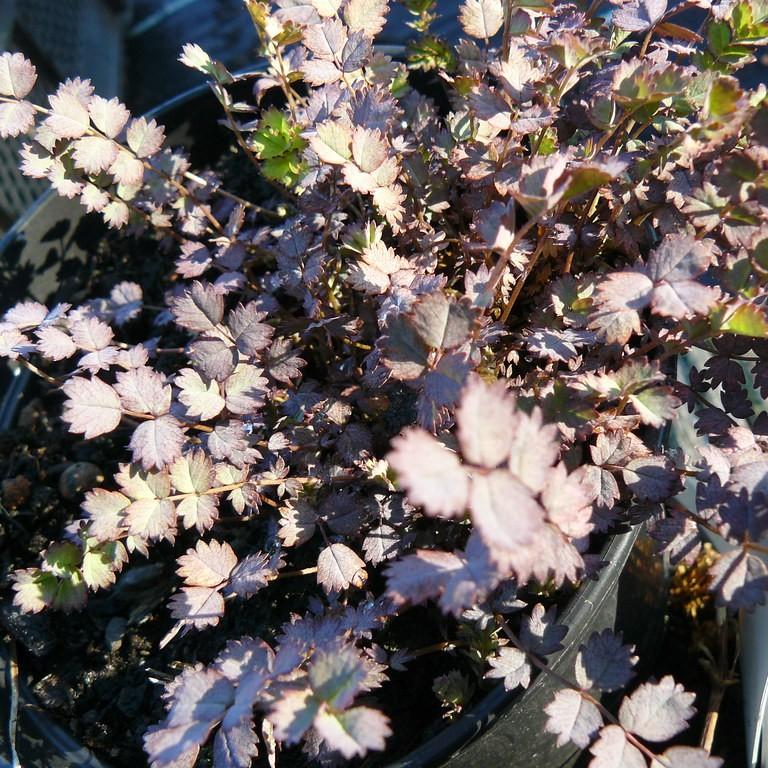
acaena
Acaena inermis 'Purpurea'
Overview
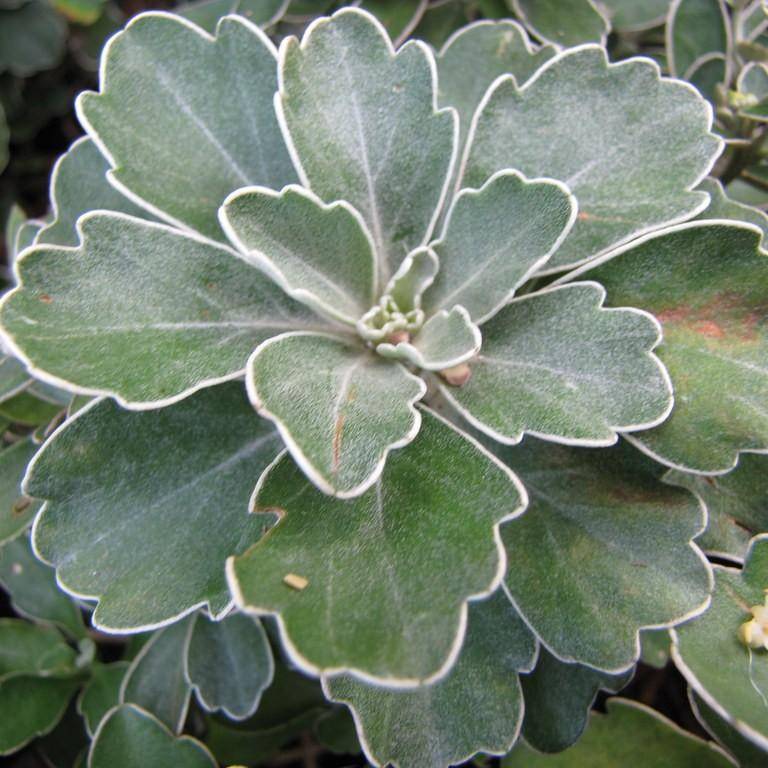
Acaena inermis 'Purpurea' is an amazing plant species that is often referred to as the Purple Rodless Briar. This dynamic species is highly adaptive and can thrive in poor soil, as well as in full sun and partial shade. In addition to having gorgeous color, it also offers low-maintenance with minimal pruning requirements. This dynamic plant also has a fast growth rate and is capable of reaching heights of up to 8 feet tall and 6 feet wide. Filled with berry-like fruits that come in bronze, silver and purple colors, this species adds beauty and value to any garden. It's perfect for borders, rock gardens and even as ground cover. With its attractive foliage and bold color, Acaena inermis 'Purpurea' is truly amazing and worth adding to the landscape.
Care Guide
Watering
When watering Acaena inermis 'Purpurea', water the soil deeply and thoroughly once or twice a week during the growing season. During the winter months, water very infrequently or not at all due to the plant's low water requirements. The amount of water to provide should be adjusted depending on the weather, the season, the soil and the plant. Always check the soil moisture beforehand to ensure that the soil is not overly dry or soggy. This species typically does not require fertilizer, but if necessary, a light application may be beneficial.
Light
Acaena inermis 'Purpurea' is a species of plant that thrives in bright, indirect sunlight. The amount of sunlight it requires will vary, but in can adapt to shaded conditinos. In general, Acaena inermis 'Purpurea' requires 4 to 6 hours of sunlight spread throughout the day in order to reach its full potential.
Soil
Well-drained
Temperature
Hardiness zone 5-9.
Pruning
Acaena (Acaena inermis 'Purpurea') should be lightly pruned any time of the year, but with a stronger pruning in late winter while the plant is still slightly dormant. Pruning should be done using shears to remove dead growth and spent flower heads. If desired, the plant can also be pruned to shape. Prune off any stems that are dead, overly long, or not producing viable blooms. Make small, precise cuts with sterilized shears in order to avoid fungal or bacterial diseases. If the plant becomes overgrown, a more drastic pruning can be done in late winter to rejuvenate the plant. This will encourage fresh foliage growth and discourage an overly dense form.
Propagation
Division, Cutting, Seed Propagation, Layering Propagation
Diseases & Pests
Common pests: Mildew, Rust.
Related plants
Other plants you might like if you grow acaena.