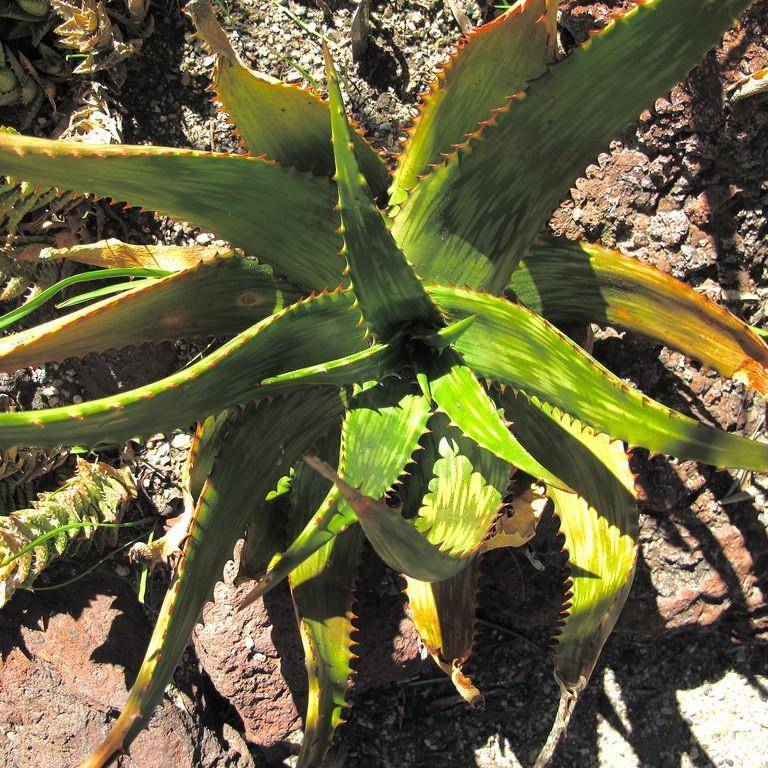
aloe
Aloe harlana
Overview
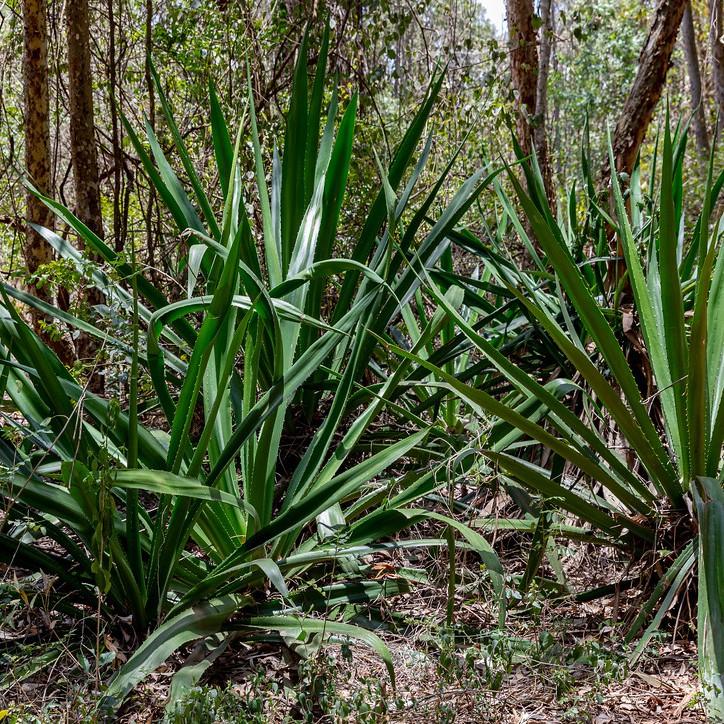
Aloe harlana, also known as the yellow-flowering barbed aloe, is a plant species that is simply remarkable. It has a remarkable longevity and ability to thrive in arid regions, making it a great choice for those looking for a minimal maintenance houseplant. Its bright yellow flowers are composed of hundreds of wispy petals, giving an almost ethereal ambiance to any room it’s placed in. The leaves of an aloe harlana are thick yet supple and provide powerful medicinal properties, as well as being an effective deterrent against pests. All in all, the Aloe harlana is an easy-to-care for plant with a multitude of benefits that make it a must-have in any home.
Care Guide
Watering
Watering a Aloe harlana plant should be done only when the soil has dried out from the previous watering. It should be watered deeply but infrequently - about once a month, and no more than every 2 weeks. When watering an aloe plant, use enough water to saturate the soil, but avoid overwatering it. You can check the soil with the back of your finger to make sure it is completely dry before you water it again.
Light
Aloe harlana needs bright, indirect sunlight for optimal growth. Place the aloe in an east or a west-facing window for optimal growth. For best results, provide 6-8 hours of bright sunlight daily. On bright, hot summer days, provide some shade by partially drawing a window curtain. Too much direct sunlight can burn the leaves. During the winter, the plant may not need direct sunlight due to a decreased intensity of the sun. Keep in mind that all Aloe species need some light to thrive, so a lack of light can cause the plant to become weak and may lead to stunted growth.
Temperature
Hardiness zone 9-11.
Pruning
Pruning of Aloe harlana should be done at least once a year, preferably in the spring when the weather begins to warm up. Pruning should be limited to removing any dead or diseased leaves and tidying up the plant's overall appearance. A hard pruning should only be done if you are replacing an older plant and need to reduce its size. If you do choose to hard prune, limit it to no more than 1-third of the plant's total height.
Propagation
Offsets, Leaf Cutting, Division, Seed Propagation, Grafting Propagation
Related plants
Other plants you might like if you grow aloe.