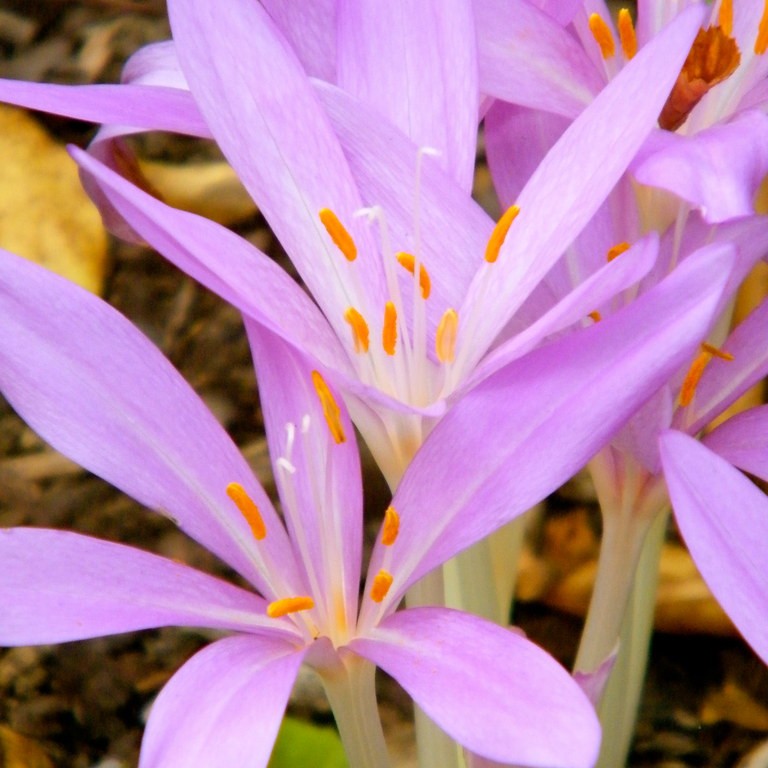
autumn crocus
Colchicum autumnale
Overview
The Autumn Crocus (Colchicum autumnale) is an amazing plant species due to its beauty and versatility. Despite its appearance, it is neither a true crocus nor an autumn flower, rather it is a member of the lily family. It blooms in late summer and early fall and can grow up to 20 cm in height. Its showy purple flowers are seen as one of its main attractions, and its heart-shaped leaves begin to take on purple tones in cooler weather. This tough plant is also known for its medicinal properties, which include helping lower cholesterol levels and fighting recurring stomach ailments. Overall, the Autumn Crocus is a beautiful and versatile species that needs to be appreciated.
Care Guide
Watering
When watering your autumn crocus, it is important to keep the soil evenly moist but not wet. Water the plant thoroughly when the soil is dry at least 1 inch deep, usually every 10-14 days in the summer, and 8-12 days in the fall. Water in the early morning or evening to avoid evaporation and scorching the foliage. Be particularly mindful of the plant during early and late frosts when the leaves and flowers are most vulnerable. Water at the base of the plant and not over the leaves or flowers.
Light
Autumn crocus (Colchicum autumnale) can reap the benefits of both early sunlight and afternoon shade. The best amount of sunlight for the plant is between 4 and 6 hours a day. Direct morning sunlight is preferable, but it can also take up to 4 hours of filtered light in the afternoon. As the days grow shorter, autumn crocus should receive less sunlight. If it’s placed in a cool environment with low light levels, its growth can be affected. Generally, it should still receive some light for at least 4 hours per day.
Temperature
Hardiness zone 4-8.
Pruning
Autumn crocus should be pruned each year in late winter or early spring, when the foliage has begun to brown and die and the flowers have faded. It’s best to prune the plant when the soil has thawed and is workable. To prune an autumn crocus, remove the faded flowers and dead leaves, cutting them back to about 2 inches above the ground. If necessary, carefully divide the corms into separate clumps and replant them in amended, acidic soil.
Propagation
Cormlet Propagation, Seed Propagation, Offsets, Cormlet Propagation, Leaf Cutting
Related plants
Other plants you might like if you grow autumn crocus.