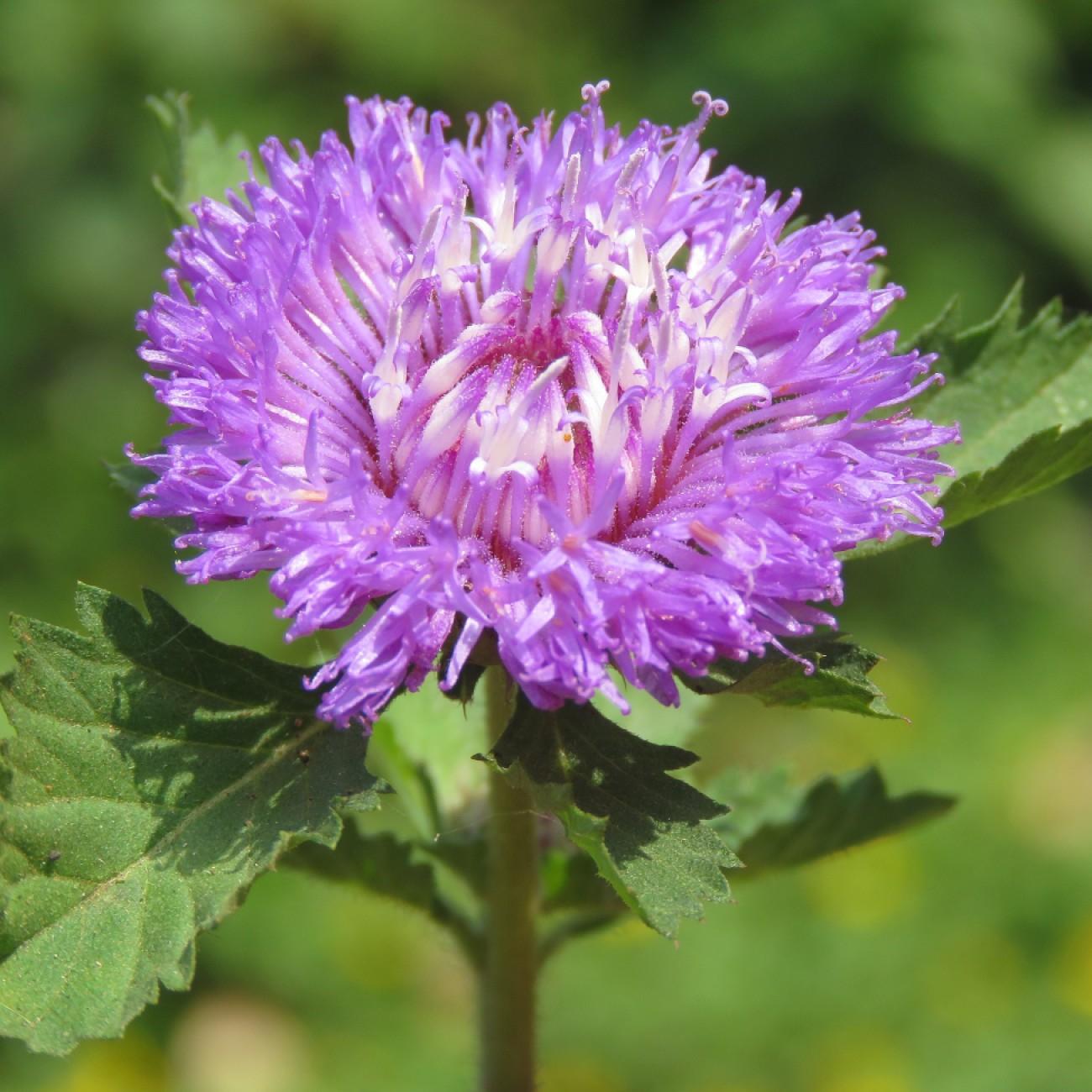
bachelor's button
Centratherum punctatum 'Button Beauty'
Overview
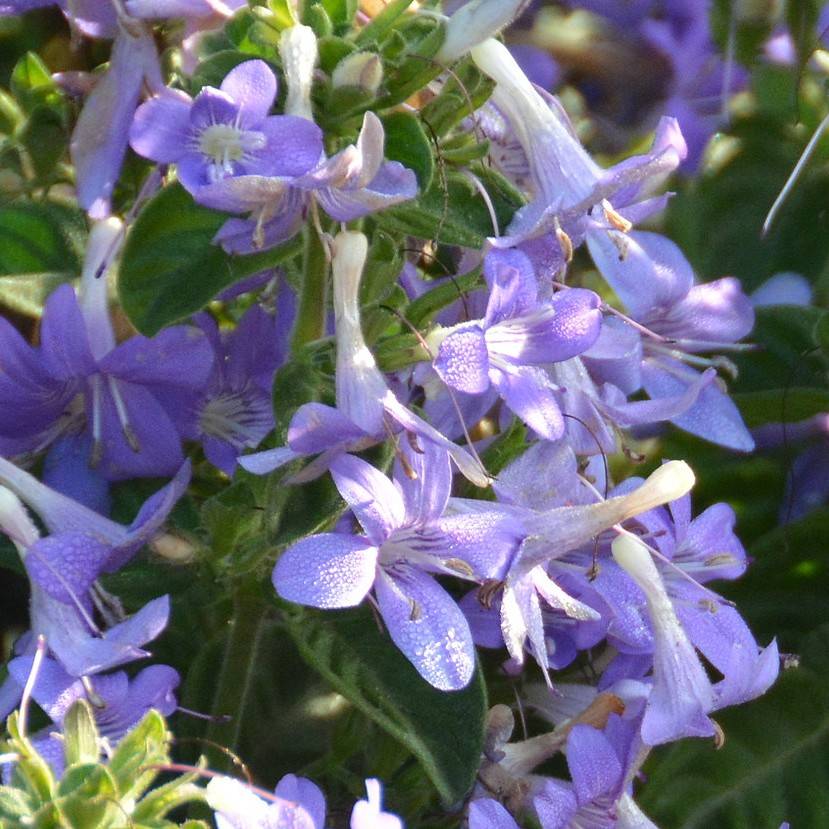
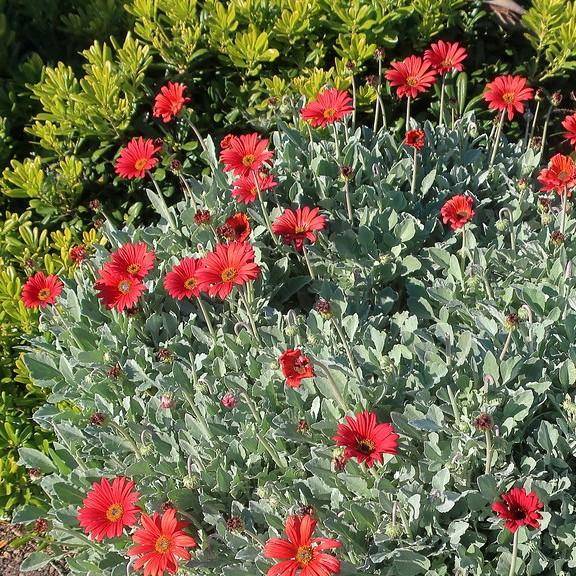
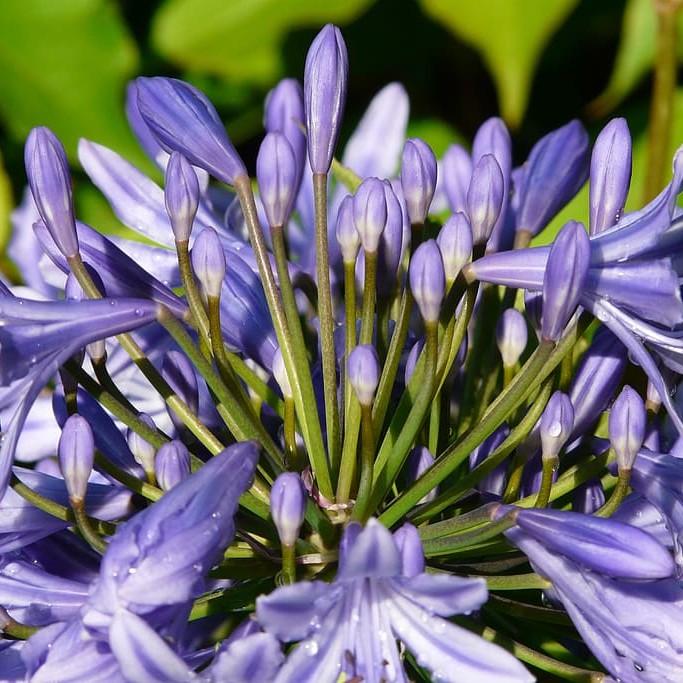
Bachelor's button (Centratherum punctatum 'Button Beauty') is an amazing plant species with a unique and eye-catching beauty. It is a low-growing, drought-tolerant annual that produces vibrant flowers in shades of pink, blue, white, and purple. It is a low-maintenance plant that loves full sun and is perfect for brightening up any landscape or container garden. Plus, its long flowering period is a delight for gardeners and pollinators alike! Bachelor's button is a stunning addition to any garden, providing season-long color and drama that will be sure to wow everyone!
Care Guide
Watering
Bachelor's Button (Centratherum punctatum 'Button Beauty') should be watered on a regular basis as it prefers soil with average moisture content. During the active growing season, you should water the Bachelor's Button thoroughly, allowing the top few inches of soil to become slightly moist. Make sure to water slowly and deeply, so that the entire root zone is wet. During the summer months, you should water at least twice a week, if not more. During the winter, reduce the frequency to about once a week.
Light
Bachelor's button (Centratherum punctatum 'Button Beauty') is a warm-season plant that generally does best when receiving plenty of sunlight. It should be placed in a location that receives full sun (at least 6-8 hours of direct sunlight each day), although it will tolerate a few hours of partial shade. It does best in well-drained soils that are consistently moist. Be sure to water this plant at least once a week, as its shallow roots make them susceptible to drying out quickly.
Temperature
Hardiness zone 10-12.
Pruning
Bachelor's Button (Centratherum punctatum 'Button Beauty') should be pruned in the early spring, before flowering. This fast-growing annual should be lightly pruned, removing only older, dead branches and stems. Cutting back the most vigorous stems by about 1-third will help keep the plant bushy. Once the flower buds start to develop, no pruning should occur as deadheading spent blooms will suffice. If the plant becomes overgrown, more substantial pruning may be required, but it is best to avoid this as much as possible.
Propagation
Seed Propagation, Cutting, Division, Layering Propagation
Related plants
Other plants you might like if you grow bachelor's button.