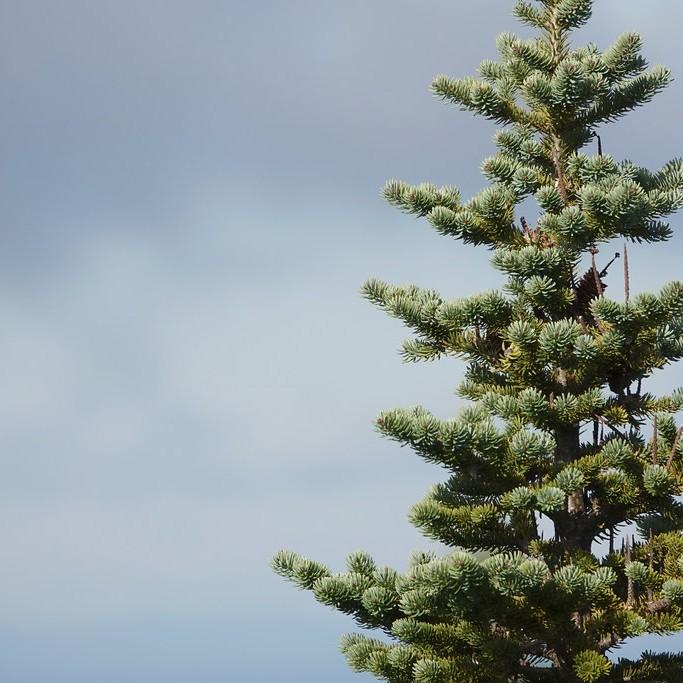
balsam fir
Abies balsamea
Overview
The balsam fir (Abies balsamea) is an amazing tree species for many reasons. With thick green needles and a distinctively pyramid shape, this North American evergreen is widely regarded for its beauty. It's also commercially valuable for its fragrant resin, which is the main ingredient of balsam fir oil. In addition, it is widely used as a Christmas tree and for decorating homes. Balsam fir is widely valued for its medicinal properties, which include reducing cold and flu symptoms, as well as aches, pains, and inflammation. Finally, it is a great choice as a fast-growing tree that can be a wonderful addition to any landscape.
Care Guide
Watering
Water Balsam Fir regularly and deeply. Make sure the soil is moist at all times, but not soggy. Balsam Firs require regular water until they become established. During the first year, they should be watered at least once a week. After that, they should be watered in periods of drought, or once every 2 to 4 weeks. Make sure to water the root zone, which is usually 6-18 inches (15-45 cm) deep.
Light
Balsam fir (Abies balsamea) is native to the Northeastern US and Eastern Canada and prefers to grow in full sun. Depending on the specific location, it typically receives 6-8 hours of direct sunlight per day throughout the growing season. In some areas where the growing season is shorter, sunlight exposure may be lower. In addition, it is important to note that balsam fir can tolerate light shade, but it will not grow into a full, mature tree unless it is exposed to full sunlight.
Soil
Sandy Loamy
Temperature
Hardiness zone 3-6.
Pruning
Pruning balsam fir (Abies balsamea) should generally occur in late winter or very early spring, before the new growth has begun. Pruning should be done with a sharp, sterile pruning tool. Care should be taken to not prune too much; only remove dead, diseased, or damaged branches, or those that cross and rub against one another. Never cut more than 1/3 of the plant's foliage.
Propagation
Seed Propagation, Cutting, Layering Propagation, Grafting Propagation, Air Layering Propagation
Uses & Symbolism
Attracts: Squirrels, Birds.
Related plants
Other plants you might like if you grow balsam fir.