Bay Laurel
Laurus nobilis
Overview
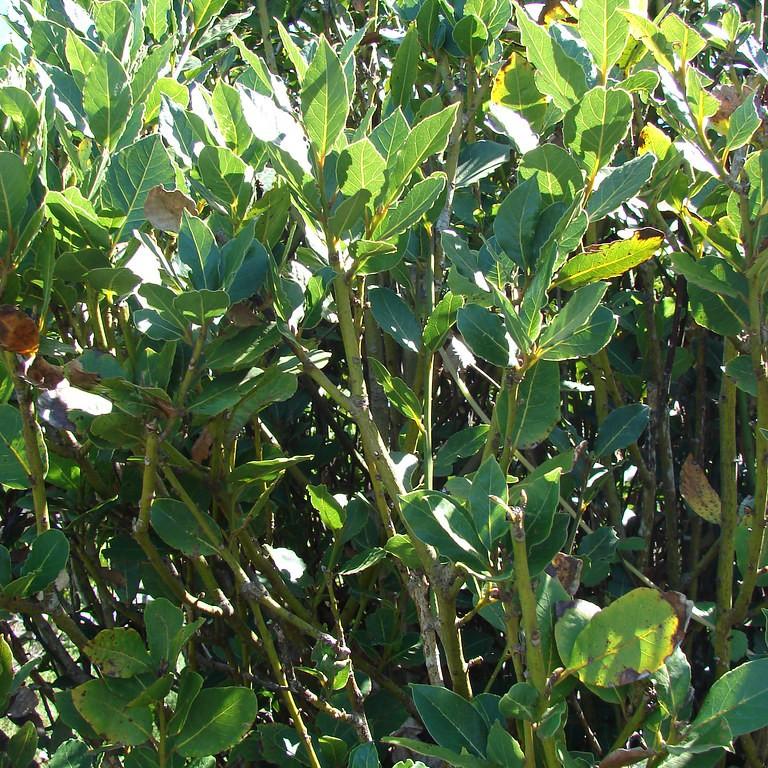
The Bay Laurel (Laurus nobilis) is a hardy, evergreen shrub native to the Mediterranean. This versatile plant is well known for its culinary use as a flavorful herb, but it is also admired for its ornamental features. The glossy, dark green Bay Laurel leaves can be used fresh or dried for a range of culinary dishes. Additionally, it can make a great addition to any garden due to its beauty. The tree can grow up to 4 meters in height and its fragrant yellow flowers will attract pollinators. It is also incredibly easy to care for and can grow in a variety of climates. In conclusion, the Bay Laurel is an amazing plant species due to its unique flavors, ornamental features, and hardy nature.
Care Guide
Watering
Watering for bay laurel should be done every other week and should be deep, but not overly wet. During each watering, it is best to give the plant between 1 and 2 inches of water, depending on the size of the plant. If the plant is completely dry to the touch and showing signs of wilting, then it is time to water. During the summer and hotter months, watering may be needed more frequently, while in the winter and cooler months, watering can possibly be reduced.
Light
Bay Laurels prefer full to partial sun and will grow best in locations that provide at least 6 hours of sunlight per day. It is best to plant them in an area that gets some shade during hot summer afternoons, as too much direct sunlight can scorch their leaves. Bay Laurels are evergreen, so they will need a good amount of sun throughout most of the year in order to thrive. In colder climates, they should be planted in areas that get at least 4-6 hours of direct sunlight each day.
Soil
Well-drained
Temperature
Hardiness zone 8-8.
Pruning
Bay Laurel can generally be pruned throughout the growing season, from late spring through autumn. Late spring and early summer are the best times for major pruning. However, light pruning can be done throughout the growing season as necessary. Prune off any dead, damaged, or diseased limbs and any crossing limbs. You can also prune any limbs that are too close together or competing for the same space. Pruning should be done with sharp clean shears and always make sure to cut just above a bud or node. Depending on the size and shape of the plant, you can prune lightly throughout the summer to maintain its form. After the main pruning season, you can do a light shaping as needed in autumn.
Propagation
Seed Propagation
Diseases & Pests
Common pests: Fungal leaf spot, Pest resistant, Rabbit resistant, Drought resistant .
Related plants
Other plants you might like if you grow Bay Laurel.