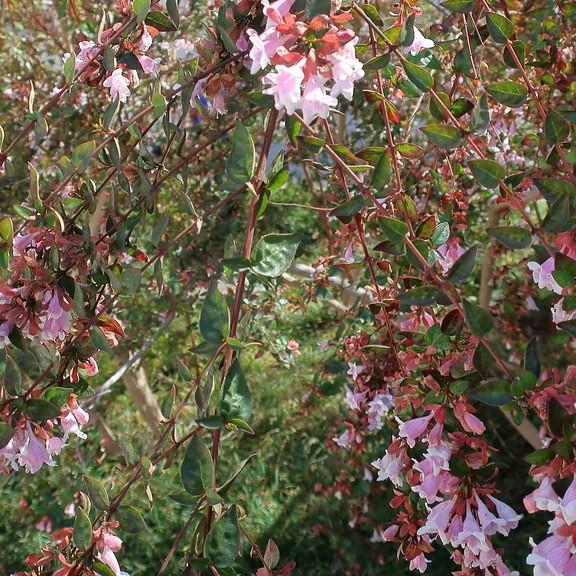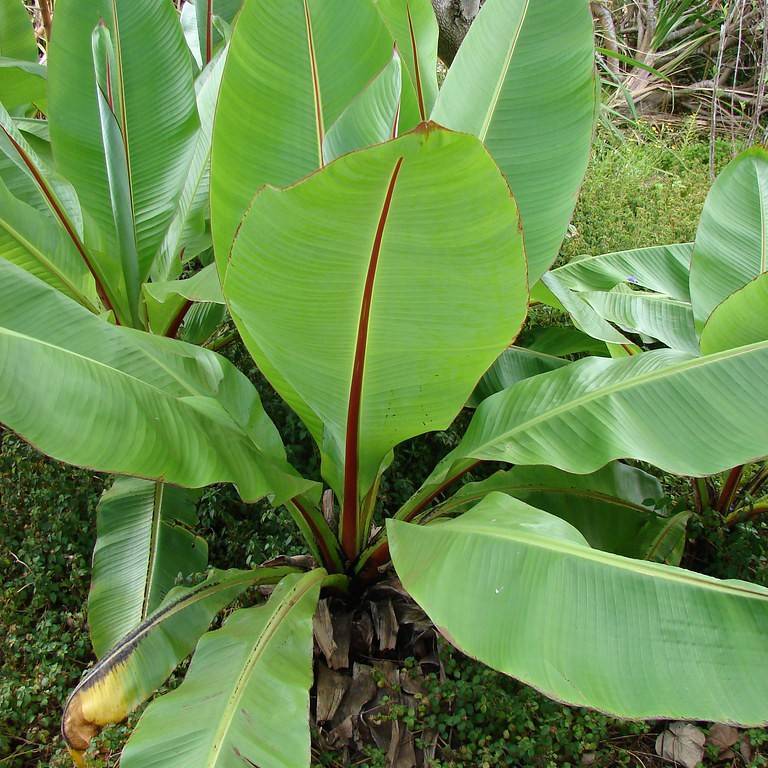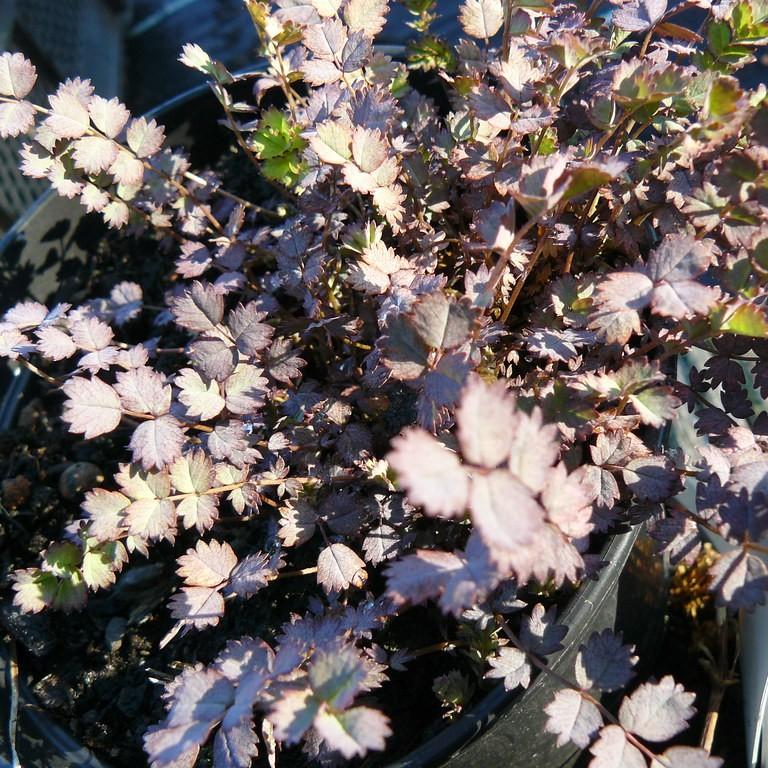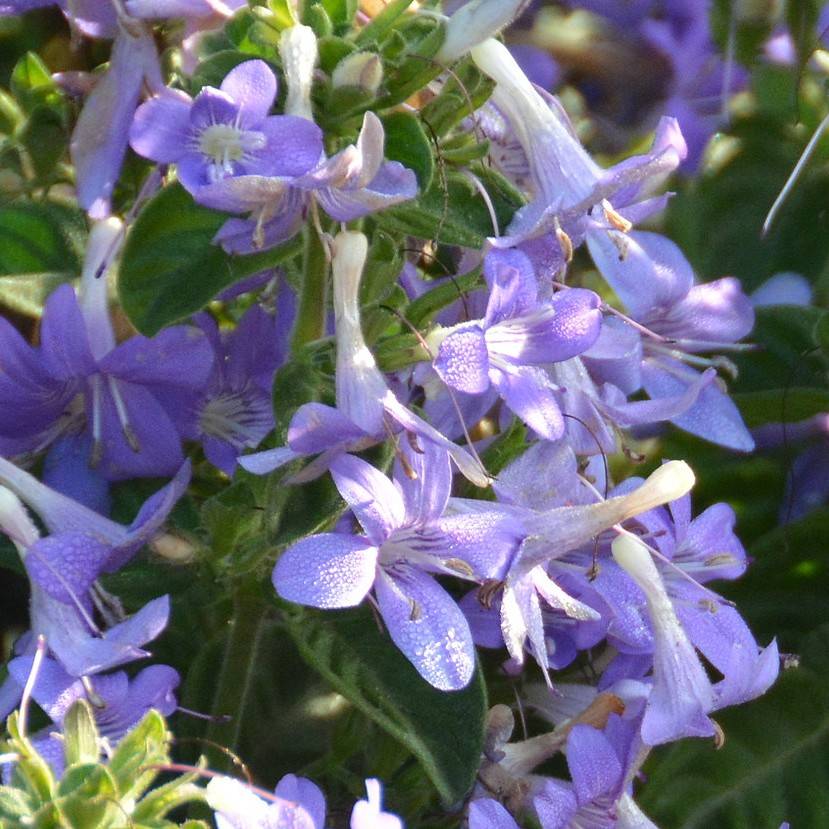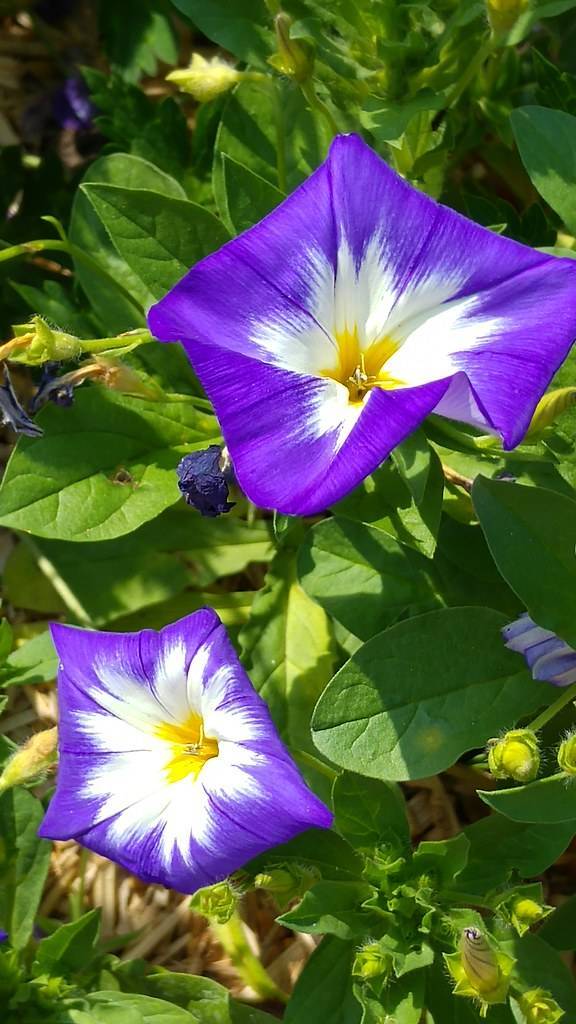
bindweed
Convolvulus tricolor
Overview
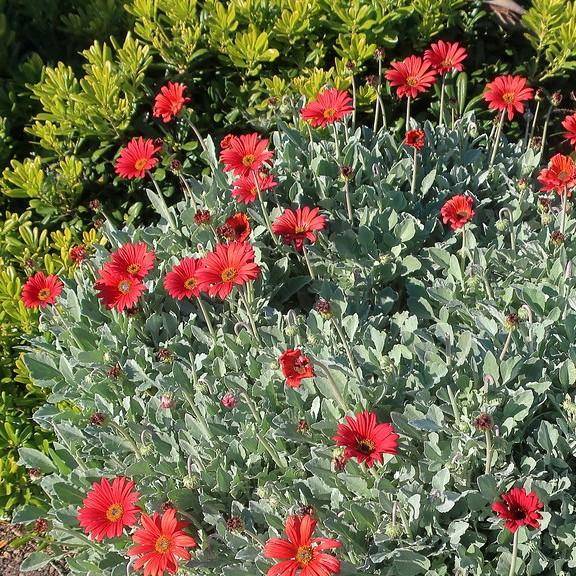
Bindweed (Convolvulus tricolor) is an amazing plant species. Despite its delicate appearance, it is a very hardy species which thrives in almost all soil conditions. Its climbing stems and its beautiful three-colored flower trumpets add Beauty and grace to any garden, creating a spectacular flowery arch. Due to its deep roots, bindweed is very drought-tolerant, and the beautiful white, pink, and blue colors of the flowers provide a pleasing contrast both to its foliage and the overall landscape. Bindweed is truly an amazing species to behold!
Care Guide
Watering
Bindweed thrives best in well-draining soil that is slightly on the dry side. Water the plant deeply and thoroughly once every 2 weeks in the spring and summer. Be sure not to overwater, as this can cause fungal diseases. During the winter months, water only if the soil is completely dry and the plant begins to look wilted. Increase watering once the weather warms and the plant begins to actively grow again.
Light
Bindweed benefits from long periods of sunlight and should receive direct sunlight for most of the day, preferably for 6 to 8 hours a day. The best growing environment for Bindweed would be to place it in an area with good light exposure, either in a full sun area or near a brightly lit window. It should also be kept away from cooler temperatures, as Bindweed does not perform well in temperatures that are too cold.
Temperature
Hardiness zone 2-11.
Pruning
Bindweed (Convolvulus tricolor) should be pruned when necessary; usually when it is taking over other plants or growing in an undesirable direction. Pruning may need to be done multiple times during the growing season. Cut it back to the ground at the beginning of its growing season. Then maintain and control any re-growth by continually pruning away unwanted sprouts and flower buds throughout the life of the plant. Pruning should be light and selective rather than heavy or deep.
Propagation
Division, Layering Propagation, Cutting, Seed Propagation, Grafting Propagation
Related plants
Other plants you might like if you grow bindweed.