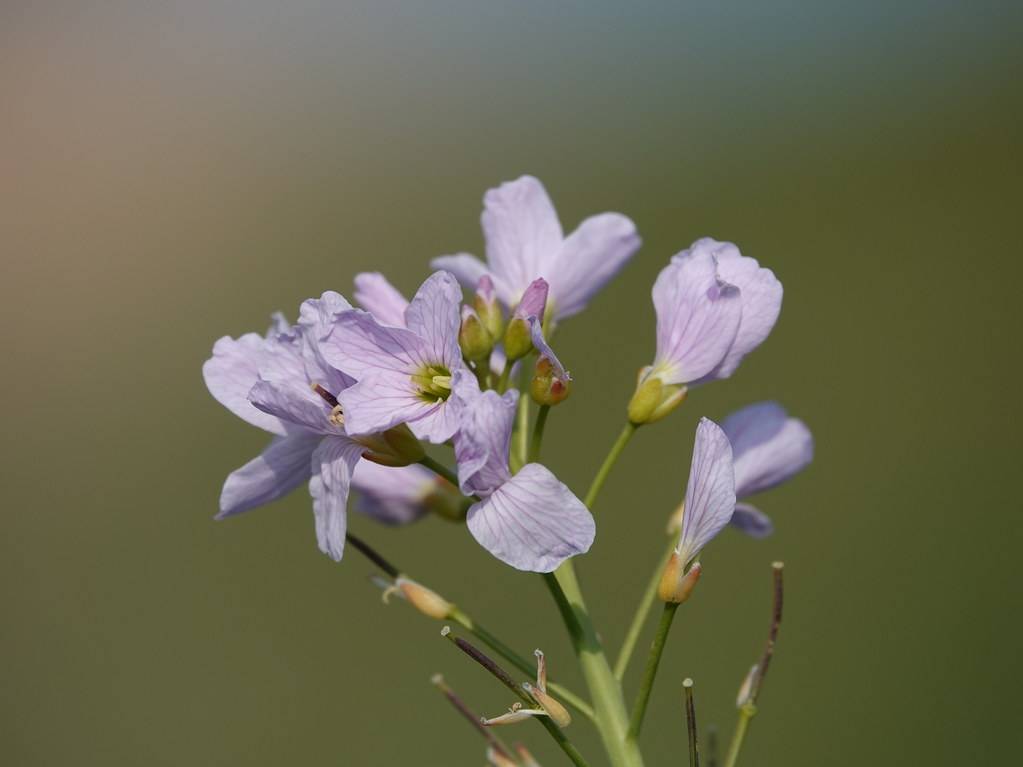
bitter cress
Cardamine pratensis
Overview
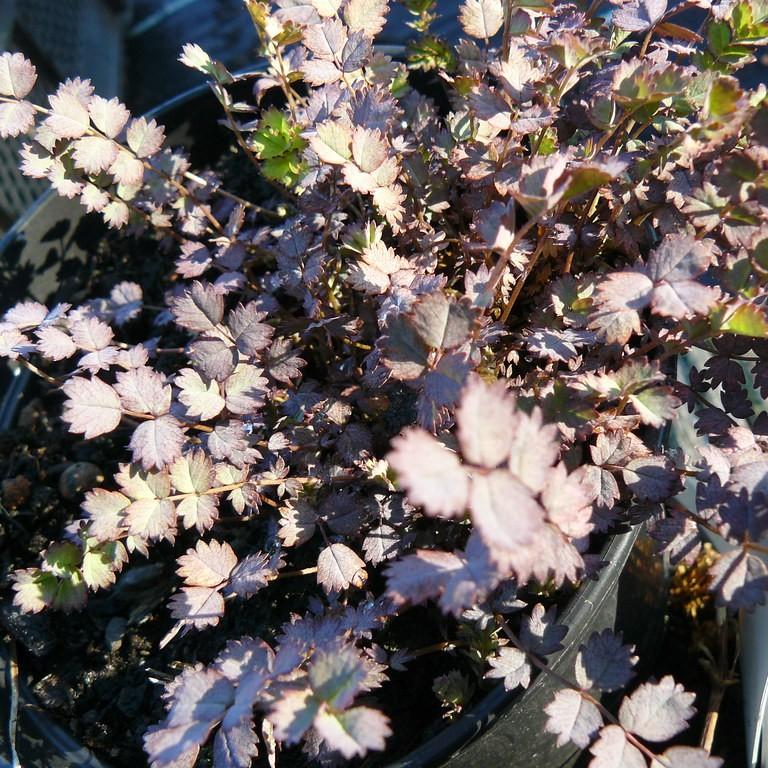
Bitter cress is an amazing plant species. Its scientific name is Cardamine pratensis, and it is a flowering plant species native to Europe. Its leaves are succulent and have a distinct lemony smell. The flowers of this species are small, white, and grow in clusters. Not only is this species full of sweet scents and vibrant colors, but it is also edible, containing several vitamins and minerals beneficial to human health. Bitter cress can be used in salads, soups, omelets, and sandwiches, and can even be brewed into a herbal tea. Its bitter taste helps to add a unique flavor to any dish. Bitter cress is thus an incredible plant species that has multiple uses!
Care Guide
Watering
Bitter cress should be watered regularly but not excessively. It should be watered when the soil has become slightly dry, meaning that the top 1-2 inches of soil should appear dry before a deep watering is necessary. This should be done twice a week, allowing the soil to become dry between waterings. Additionally, the water should be at room temperature to ensure that your bitter cress stays healthy. Lastly, be sure to avoid over-watering your plant as this can cause the roots to rot and the plant to die.
Light
Bitter cress (Cardamine pratensis) needs at least 6 hours of direct sunlight each day to thrive and grow to its fullest extent. Too much direct sunlight can cause the plant to overheat and wilt, so it should be kept in a spot that gets indirect afternoon sunlight. Full sun exposure in the morning and partial shade in the afternoon is ideal. Providing adequate sunlight can help the plant bloom with white 4-petal flowers. On the other hand, if the amount of sunlight is insufficient, the plant might not bloom.
Temperature
Hardiness zone 3-7.
Pruning
Bitter cress (Cardamine pratensis) should be pruned to promote growth and blooming. Pruning should be done in early spring before the new leaves emerge. Cut all stems and leaves back to around 6 inches (15 cm) in height. This will encourage vigorous growth. It is also a good idea to thin out the plant by snipping off smaller stems to promote air circulation and light penetration. Additionally, prune off any old or diseased stems to help the plant remain healthy.
Propagation
Seed Propagation, Division, Cutting, Layering Propagation
Uses & Symbolism
Attracts: Butterflies.
Related plants
Other plants you might like if you grow bitter cress.