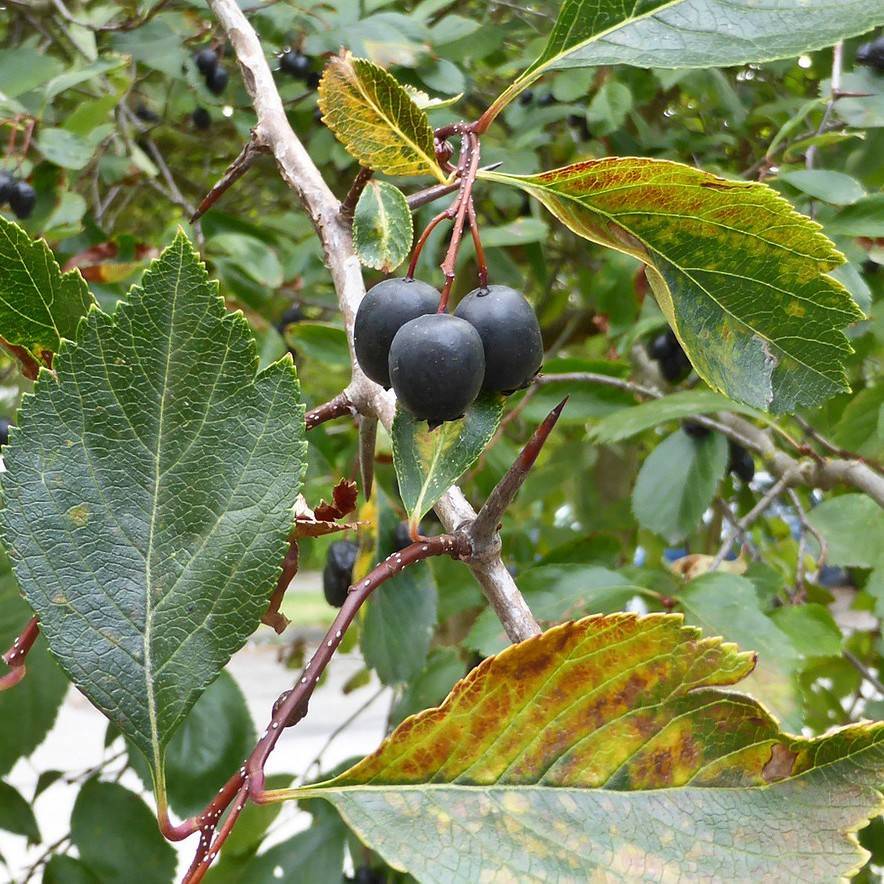
black hawthorn
Crataegus douglasii
Overview
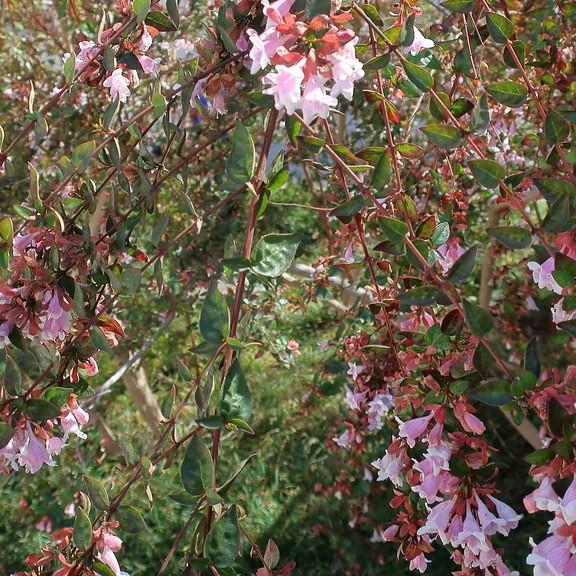
The black hawthorn (Crataegus douglasii) is a stunning and unique deciduous shrub with amazing features. Its glossy, oval-shaped dark green leaves contrast vibrantly against its bright white flowers, making for a lovely addition to any garden. It bears attractive red-colored fruits, and is known for its hardiness and resistance to drought and pests. Its dark bark and evergreen foliage also make it useful for hedges and privacy screens. Its fragrant flowers also make it a great source of springtime pollen for bees and other pollinators. The black hawthorn is an amazing species that can thrive almost anywhere.
Care Guide
Watering
The black hawthorn (Crataegus douglasii) should be watered regularly. Depending on the environment,t his can range from weekly to monthly. During the summer months, plants should be watered every 7-10 days, allowing the soil to dry out slightly between waterings. During the winter months, water every 4-6 weeks, and keep the soil barely damp. If the plant is in a container, water only when the top 1 inch of soil is completely dry. Make sure to water at the base of the plant, and avoid getting the foliage wet.
Light
Black hawthorn (Crataegus douglasii) plants need at least 5-6 hours of direct sunlight per day in order to grow in optimal health. Too much or too little sunlight can stunt growth and fruit production. In areas with hot summers, the plant may prefer some afternoon shade. The best time of day for sunlight exposure is during the morning, when the light is less intense and the temperature is still relatively cool.
Soil
Sandy Loamy Clay Rocky
Temperature
Hardiness zone 3-9.
Pruning
It is recommended that black hawthorn (Crataegus douglasii) be pruned in late winter or early spring, just before the start of new growth. Pruning should be light, focusing on removing any dead or diseased branches and shaping the plant, if desired. Light pruning is also recommended during the summer to maintain its desired shape. Any vigorous, upright growth should be pruned to encourage branching and more compact growth. If the plant becomes overgrown, hard pruning can be done in late winter or early spring to reduce the size and encourage flowering.
Propagation
Seed Propagation, Cutting
Uses & Symbolism
Attracts: Birds, Butterflies.
Diseases & Pests
Common pests: Fungal leaf spot, Rust, Deer resistant, Rabbit resistant, Drought resistant .
Related plants
Other plants you might like if you grow black hawthorn.