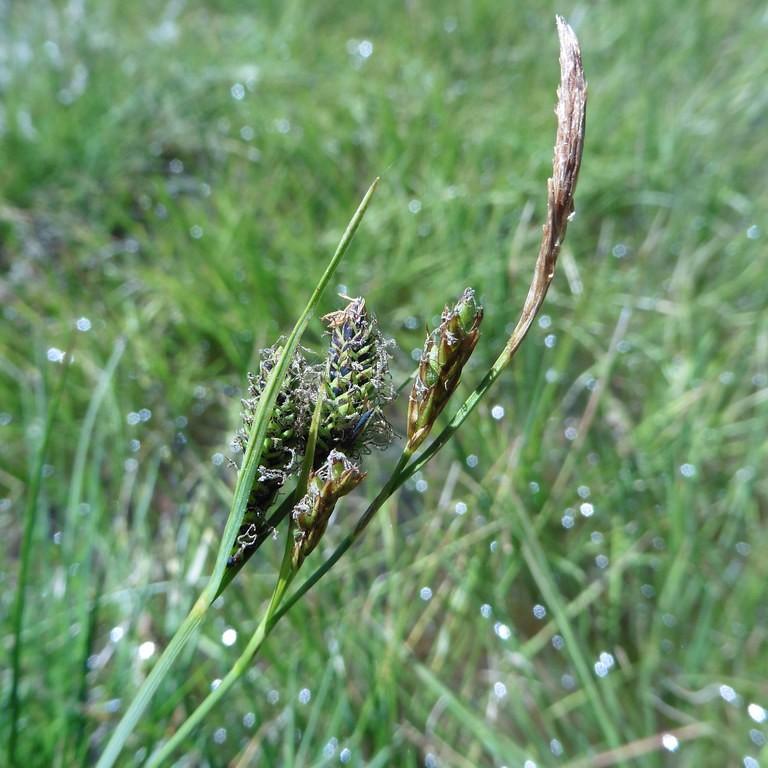
black sedge
Carex nigra
Overview
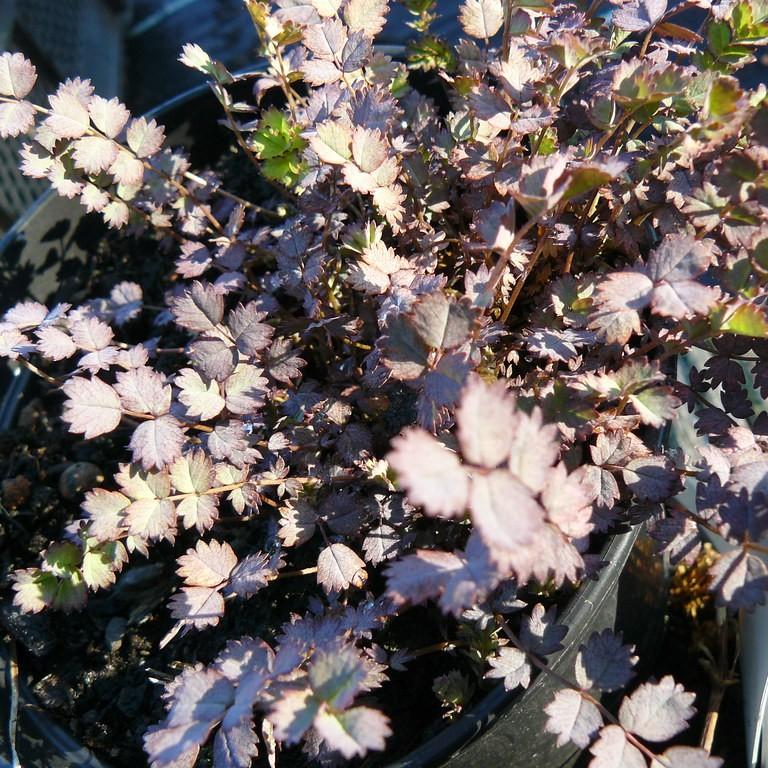
Black sedge (Carex nigra) is an amazing addition to any garden. It features attractive black foliage and slender, graceful stems. The foliage is very dense, making it a great barrier against weeds and erosion. It produces an abundance of purple or pink flower spikes, adding a nice burst of color. This sedge prefers moist soils and is usually found in wetlands, riparian habitats, and along stream banks where it will form large dense clusters. It’s fairly low maintenance and can be allowed to spread naturally to create a beautiful groundcover. Thanks to its ability to tolerate wet conditions and its attractive foliage color, Black sedge is a wonderful addition to any garden.
Care Guide
Watering
Black sedge should be watered 2 to 3 times a week during its active growing season (spring to fall). During this time, the soil should be kept moist but not soggy. Each irrigation should last for about 15 minutes and should use enough water so that it penetrates the soil about 6 inches deep. During winter months, the amount of water should be reduced, and watering should be done about once every 2 weeks.
Light
Black sedge (Carex nigra) is an evergreen, sun-loving species of sedge found throughout much of the US. It does best when grown in moist, well-draining soils in full sunlight to partial shade. In general, full sun is preferable to partial shade for this species. If grown in partial shade, it may become spindly and may become prone to disease. To ensure the best growth, provide 6-8 hours of direct sunlight each day.
Temperature
Hardiness zone 4-8.
Pruning
Black sedge is a fast-growing perennial often used in gardens for its attractive foliage. Pruning of black sedge should be done in the late winter or early spring before new growth appears. It is best to prune back the plants to 1-2 inches of the soil line. The exact amount of pruning that should take place depends on the size and shape desired for the finished look of the plant. Pruning back too much can reduce the plants vigor so if possible, try to minimize the amount of foliage removed.
Propagation
Division, Cutting, Seed Propagation, Rhizome Propagation
Related plants
Other plants you might like if you grow black sedge.