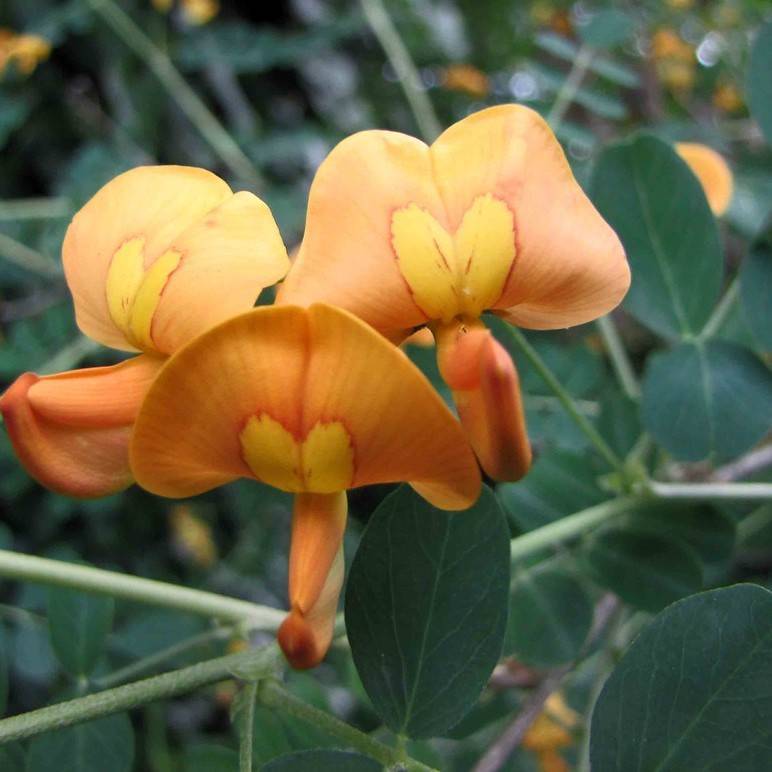
bladder senna
Colutea media
Overview
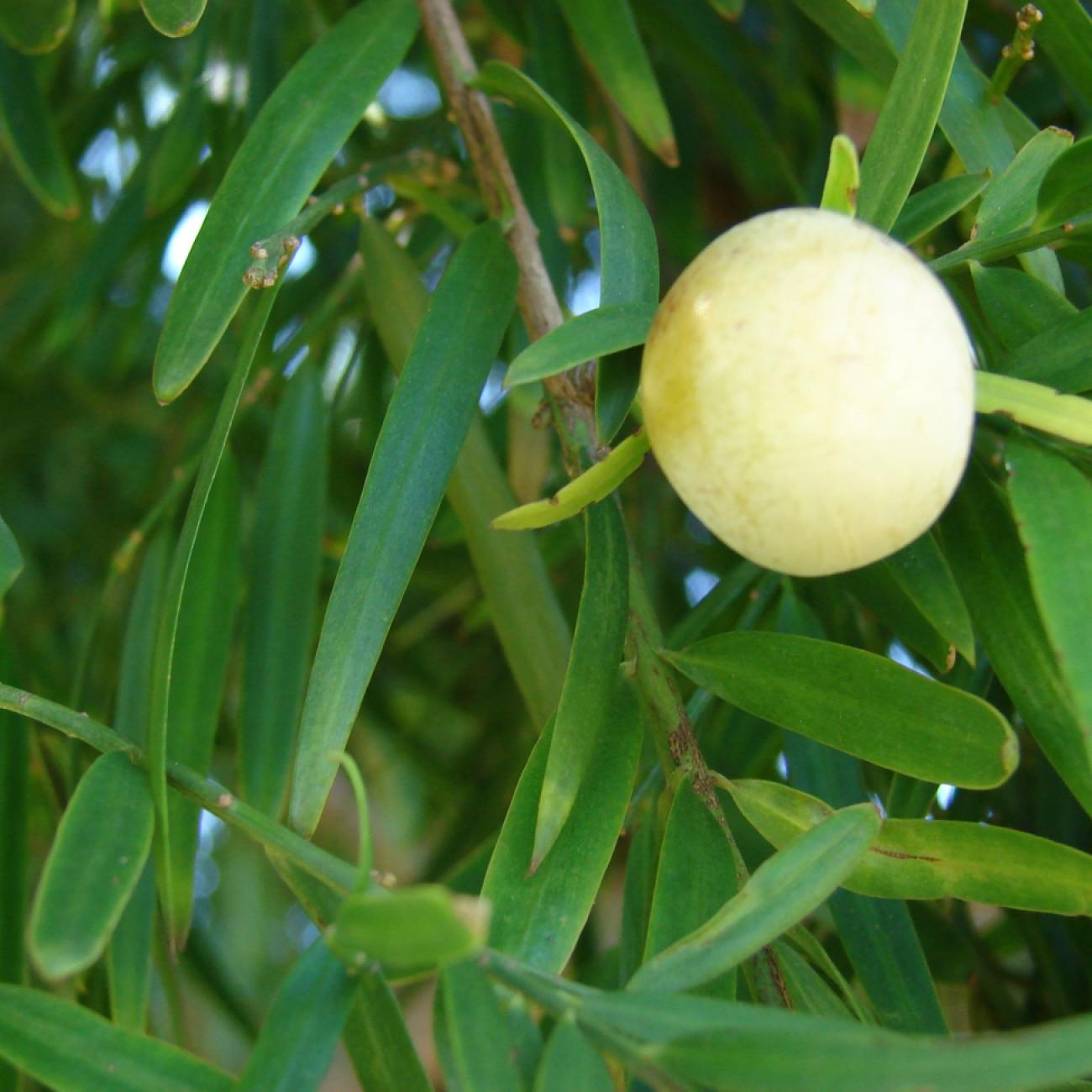
Bladder senna (Colutea media) is an ornamental shrub with eye-catching cream to yellow legume pods that are as unique as they are attractive. The bright green foliage is also extremely attractive and provides a beautiful backdrop for the striking pods. Bladder senna is drought tolerant and grows in a variety of soil conditions, making it an ideal choice for any garden. Its versatility allows it to be used in areas where other plants may struggle to grow. This species is ideal for anyone wanting a low-maintenance, eye-catching shrub with a long lasting impact.
Care Guide
Watering
For bladder senna (Colutea media) watering should be done regularly, at least once each week and no more than twice. Water should be applied deeply and evenly to the soil to ensure the full root system receives sufficient hydration. During warmer months, it may be necessary to water it twice a week, and during hot summer days, water more often. Make sure to water the plant early in the morning when temperatures are cooler, so it has time to quickly evaporate and the leaves can dry out. Avoid overwatering the plant, as this can cause root rot. Depending on the climate and temperature, optimal watering can vary between plants. Observe the plant closely and water only when the soil is mostly dry.
Light
Bladder senna (Colutea media) is a plant species that does best in full sunlight. For optimal growth, it should receive at least 6 hours of direct sunlight per day. The plant is drought tolerant and can survive on the sunnier side of a building, on a shelf or higher off the ground on a wall. The plant should be moved to a location with more light during the winter months when the sun angle is lower and the days are shorter. Even with low light levels, bladder senna can still survive, although the leaves will be smaller and the plant will be less vigorous.
Temperature
Hardiness zone 5-7.
Pruning
Bladder senna (Colutea media) should be pruned during the winter months (December-March). The best time to prune is just before new growth is expected, usually in late winter. Pruning should be moderate to maintain the desired size and shape of the plant. The branches should be pruned back to 2 to 3 buds from the main stem. When trimming shrubs, larger branches should be pruned into smaller ones, creating a more bushy appearance. Avoid cutting back more than 1 third of the branches for any single pruning session.
Propagation
Seed Propagation, Cutting, Layering Propagation, Division
Related plants
Other plants you might like if you grow bladder senna.