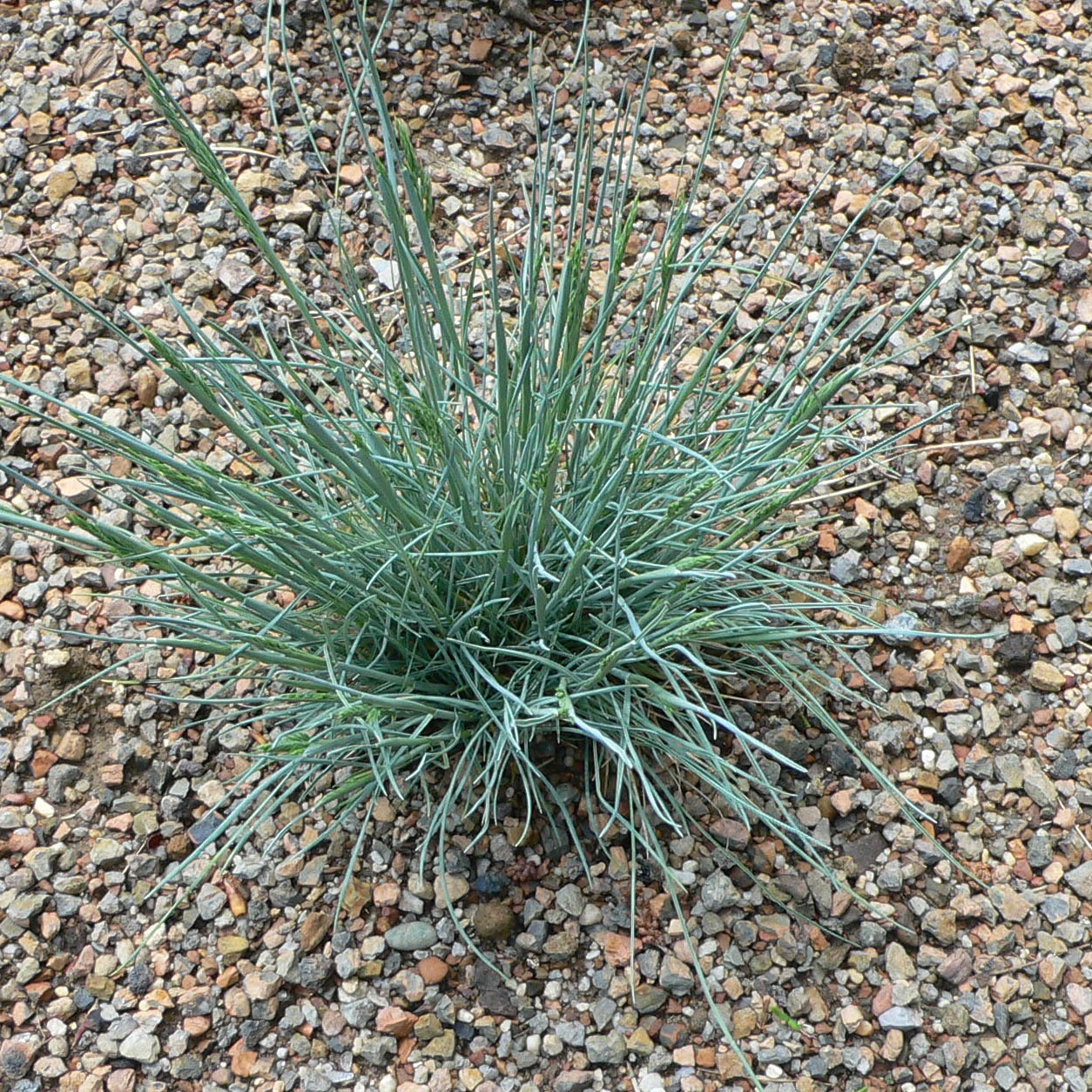
blue fescue
Festuca glauca
Overview
Blue fescue is an amazing plant species due to its color and versatility. Boasting vibrant silvery-blue foliage, this evergreen grass has an eye-catching presence in the garden. Not only is it drought tolerant and low maintenance, but it is also cut-resistant and deer-resistant, making it an excellent choice for any outdoor space. Its flexibility also makes it a good choice for adding texture and color to gardens, rock gardens, or as a ground cover. Blue fescue can even be grown in containers to add some cool contrast to any patio or balcony. All in all, blue fescue is an outstanding choice for gardeners looking for some bright and hardy plants.
Care Guide
Watering
Blue fescue should be watered 1-2 times per week, depending on the temperature and the humidity of the environment. When watering, make sure to soak the soil deeply. Dry soil between waterings will keep the plant healthy and allow its root system to develop properly. Too much watering can lead to root rot, which will cause the plant to die. Blue fescue does not tolerate long periods of dry soil, so aim to keep the soil lightly moist at all times. In extremely hot weather or locations prone to heat waves, you may need to water more often.
Light
Blue fescue (Festuca glauca) enjoys bright sunlight during the day. It prefers at least 4 to 6 hours of direct sun, but can tolerate partial shade. It is not known to tolerate full shade conditions. Blue fescue should receive the most sunlight in the morning hours before noon and can benefit from filtered daylight in the late afternoon or early evening. For best results, provide plenty of light during the growing season from march to October when its foliage is actively growing.
Temperature
Hardiness zone 4-8.
Pruning
Blue Fescue (Festuca glauca) should be pruned twice a year. In spring, lightly trim the foliage to keep the plant's shape and size manageable. In the late summer, cut back the foliage to 1-third of its original size. This will promote dense, healthy growth and remove any dead or damaged foliage. Ultimately, the amount of pruning done will depend on the size and shape of the plant.
Propagation
Division, Seed Propagation, Cutting
Related plants
Other plants you might like if you grow blue fescue.