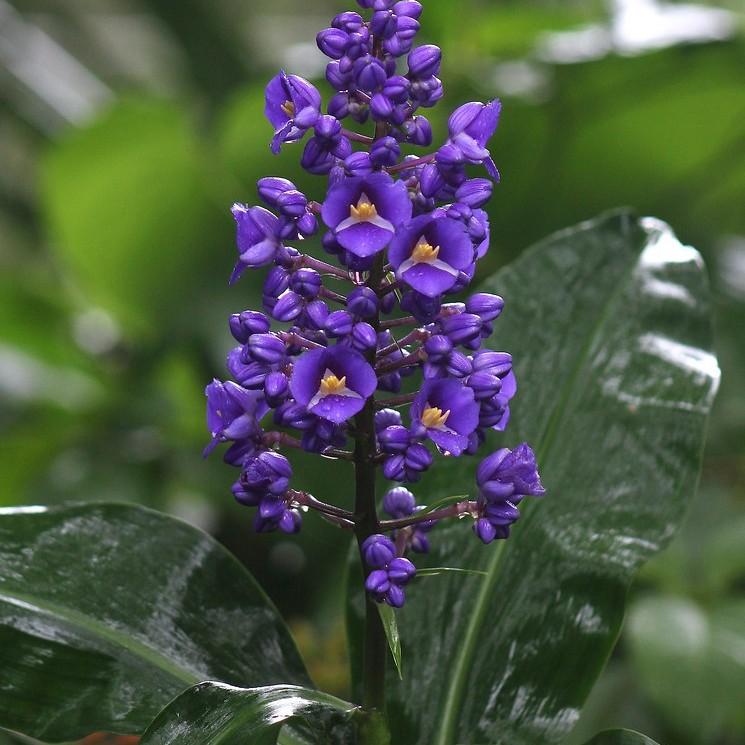
blue ginger
Dichorisandra thyrsiflora
Overview
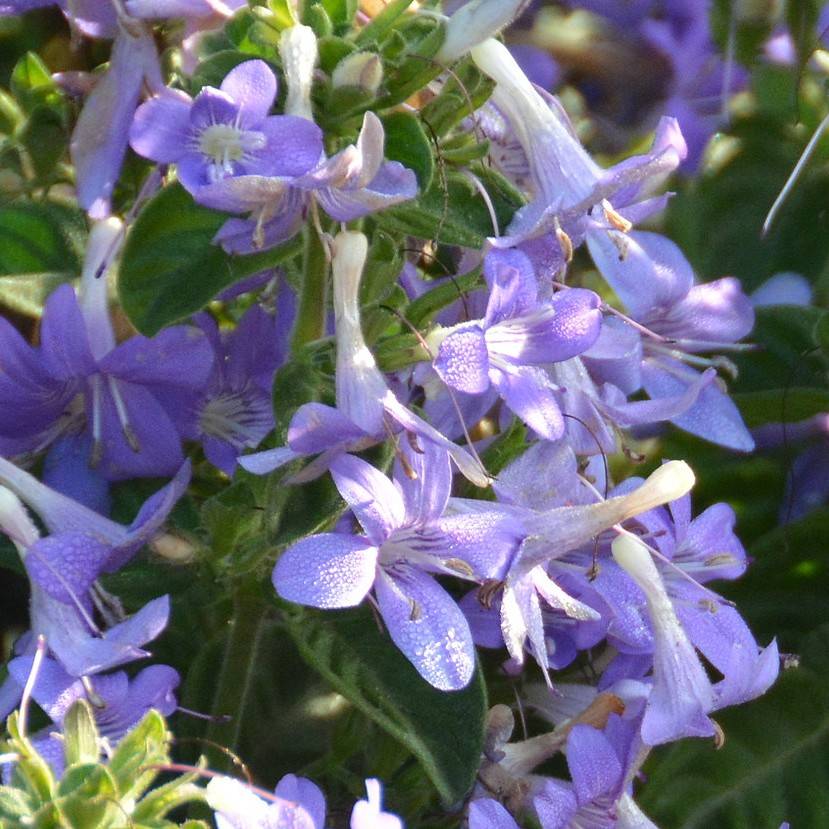
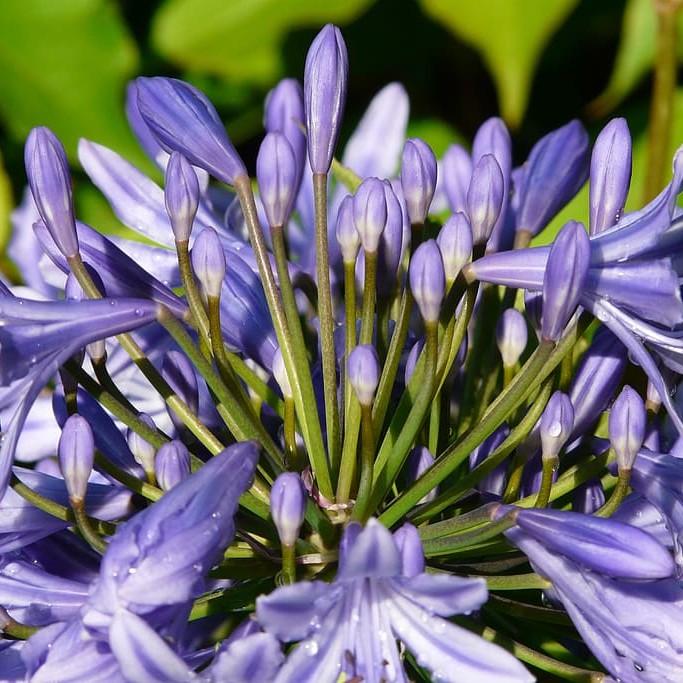
Blue ginger (Dichorisandra thyrsiflora) is an amazing tropical plant boasting deep green foliage and elegant, blue-violet-hued flowers. The foliage of this ginger relative is very dense and can reach heights of 5 to 8 feet in just a few months when given the right conditions. Its showy flowers are borne on upright greenish stalks and the flowers and foliage bring color and texture to any outdoor area. It's easy to grow, quite tolerant of low-light and warm conditions, and requires minimal maintenance. It even functions as a natural air-purifier, so it's great for breathing easy. Blue ginger is a rewarding way to add a unique touch to any garden or landscape.
Care Guide
Watering
Blue ginger is a beautiful, easy-to-grow plant species that can bring tropical flair to any garden. When it comes to watering, the best approach for blue ginger is to water them regularly and thoroughly, but not too often. Aim to keep the soil moist, but not soggy, and do not allow the soil to dry out completely. During the warmer months, water blue ginger plants 1-2 times per week in the morning. During cooler weather, reducing watering to once every 1-2 weeks is usually sufficient. Always check the moisture level of the soil with your fingers before watering. Additionally, a few inches of organic mulch can also help retain soil moisture and prevent the growth of weeds.
Light
Blue ginger grows best in full sun. It should receive 6 to 8 hours of sunlight each day with noon being its highest exposure to the sun. While this species can tolerate some shade, it will only produce occasional blooms when grown in shade or partial sun. To ensure the best bloom production, blue ginger requires at least 6 hours of direct sun each day.
Temperature
Hardiness zone 10-12.
Pruning
Prune blue ginger plants in early spring, when signs of new growth are just beginning to appear. Start by removing any dead, damaged, or diseased branches and stems. Cut them down as close to the top of the plant or the base of the stem as possible. Additionally, it is best to shape your blue ginger plants by lightly pruning the stems and foliage. This can help encourage growth and bushiness. Avoid pruning too much, as it can damage the root system.
Propagation
Division, Stem Propagation, Seed Propagation, Air Layering Propagation
Related plants
Other plants you might like if you grow blue ginger.