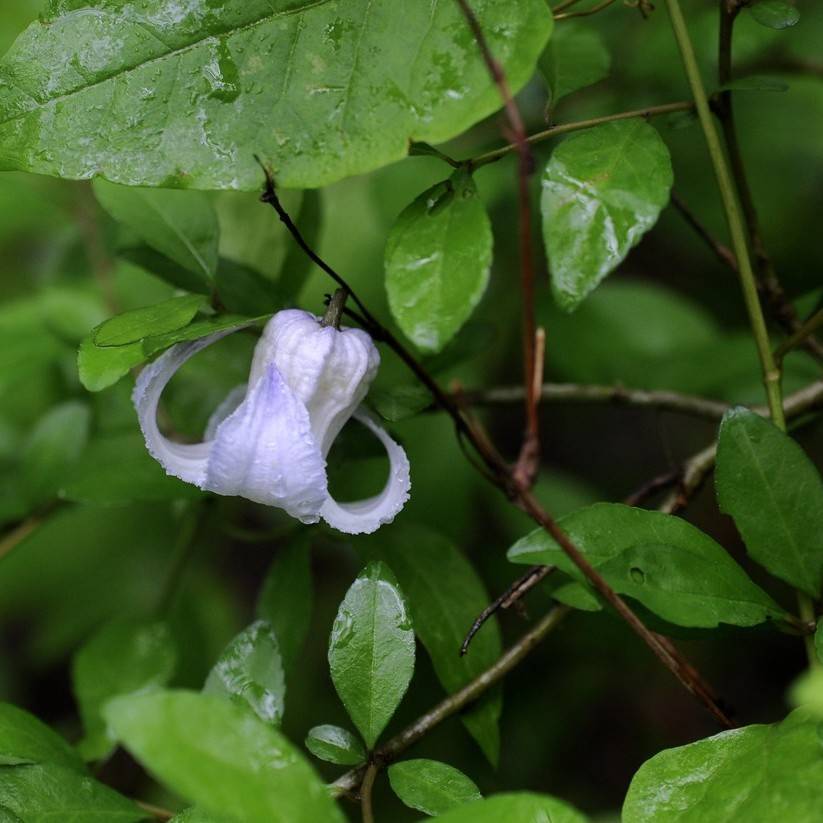
blue jasmine
Clematis crispa
Overview
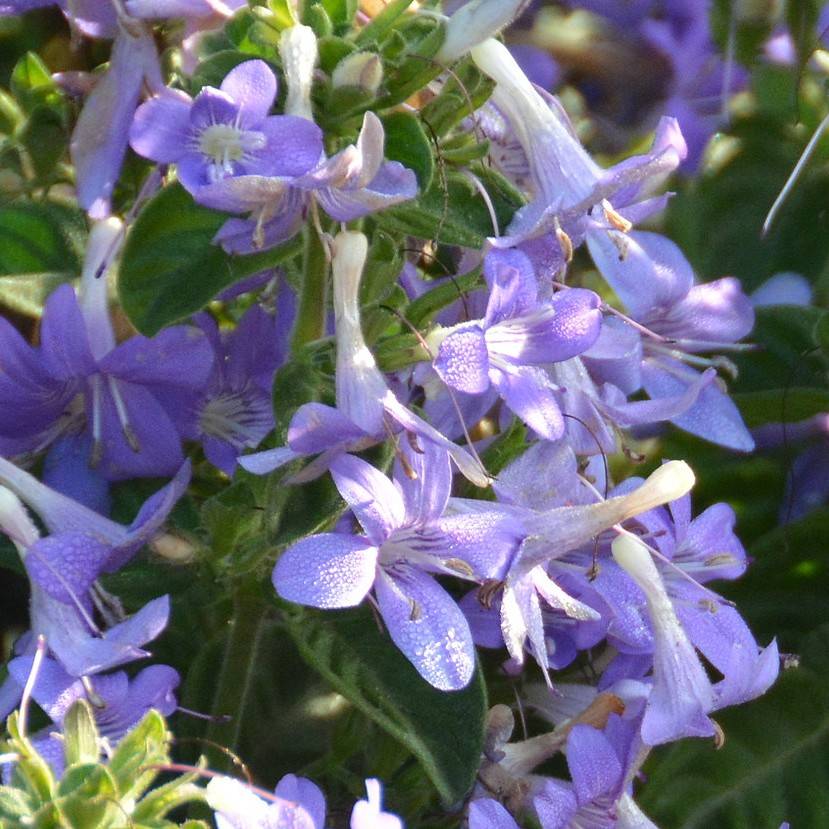
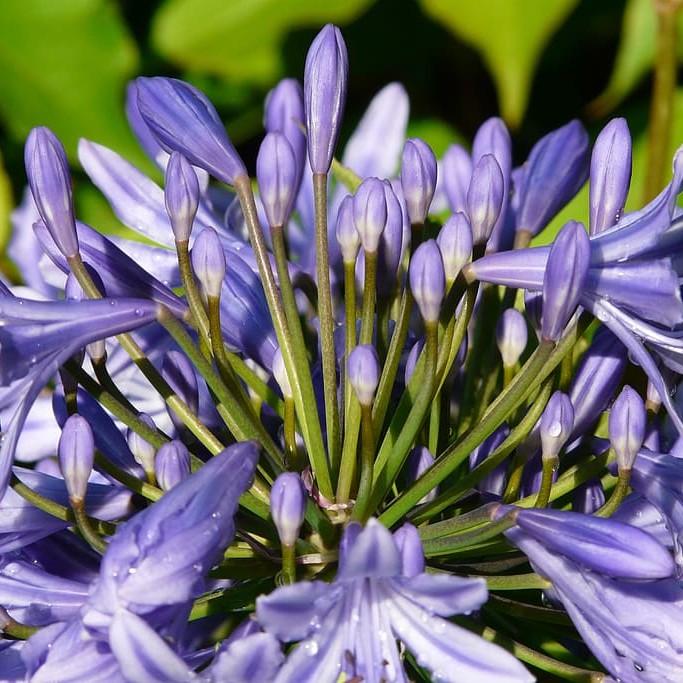
The blue jasmine (Clematis crispa) is a type of flowering vine that is simply amazing. Its beautiful star-shaped blooms are delicate and the color is a unique shade of blue, with hints of white and pink. It is both low maintenance and hardy, so it’s perfect for any climate and ability. It is drought tolerant and can grow in most soils and a wide range of temperatures. The long and graceful vines look beautiful and will add visual interest to any garden or home, while also be a great source of food for bees. It doesn’t require much pruning to keep it healthy and thriving, making it a great addition to a garden.
Care Guide
Watering
Blue jasmine (Clematis crispa) should be watered deeply and regularly. The soil should be kept consistently moist but not soggy. Water the plant at the root level so that water penetrates into the soil. Watering frequency will depend on the size of the plant and the size of the pot. For established plants in an average sized pot, water once a week for about 10 minutes. For larger pots, or containers, water twice a week. In the summer months, water more often to ensure that the daily temperatures don't dry out the soil too quickly. Additionally, water more if the soil around the roots feels dry.
Light
Blue Jasmine grows best in full-sun to part shade exposure. Sunlight should be at least 4-6 hours of direct sun per day, particularly during flowering season in the summer months. In areas that experience colder winters, some part sun is preferred during the winter season. Blue Jasmine will often suffer from sunburn in hotter deserts with no shade, so shade should be provided in these regions.
Temperature
Hardiness zone 6-9.
Pruning
Blue jasmine (Clematis crispa) should be pruned twice a year to maintain its shape and encourage healthy growth. Pruning should take place in early spring and early summer. In the springtime, prune the dead wood and any weak growth on the plant, cutting the stems back by 1-third. This will allow some new shoots to develop, and encourages thicker stems. In the early summer, prune any excess growth to maintain the desired shape and size. Snipping back the stems to within a couple of buds of the main stems will help form a fuller and bushier shrub. It is also important to remove any dead blooms from the plant at this time and to clean up any excess foliage or debris around the base of the plant. Blue jasmine will flower best when it is pruned regularly and kept in a neat, compact shape.
Propagation
Seed Propagation, Cutting, Layering Propagation, Division
Related plants
Other plants you might like if you grow blue jasmine.