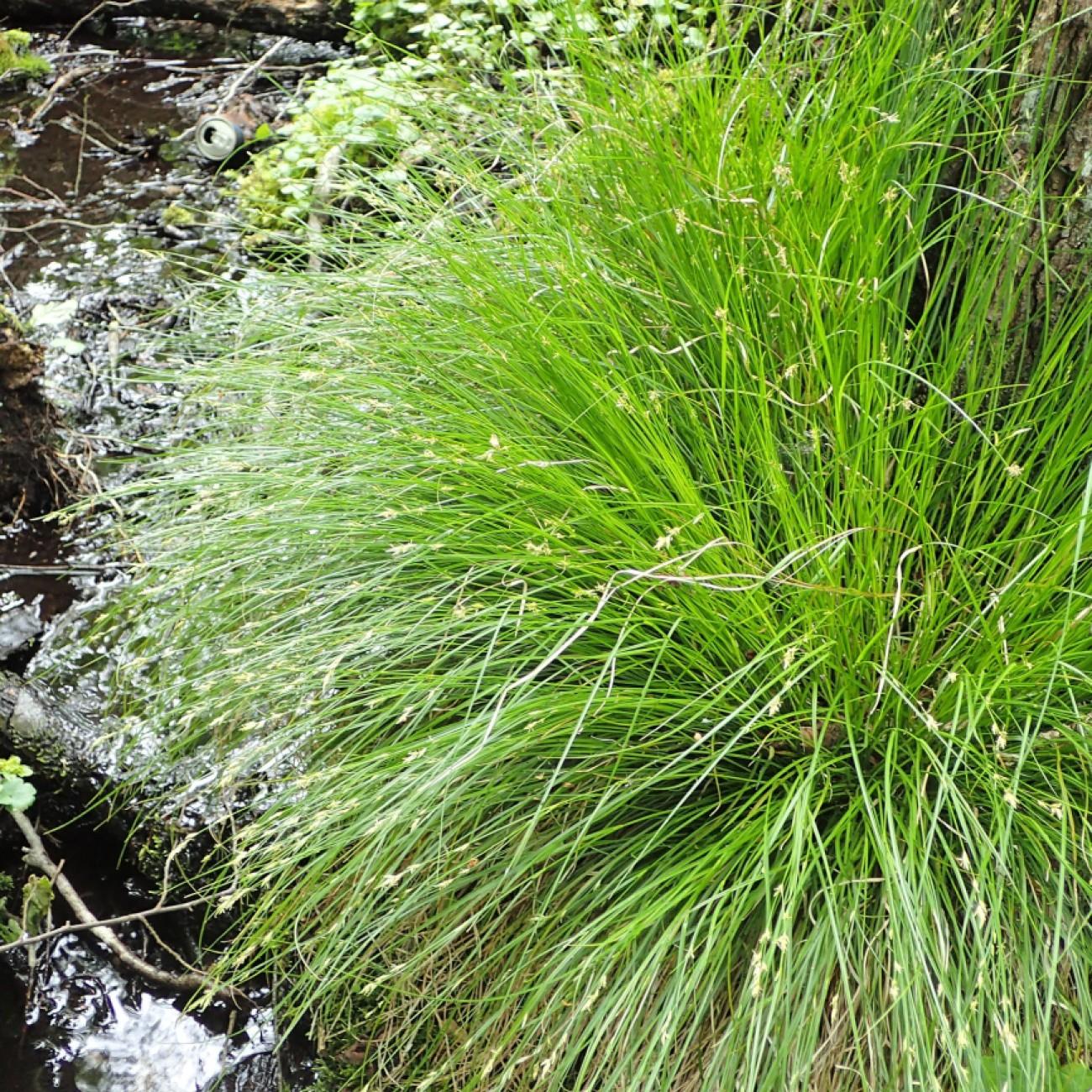
brome-like sedge
Carex bromoides
Overview
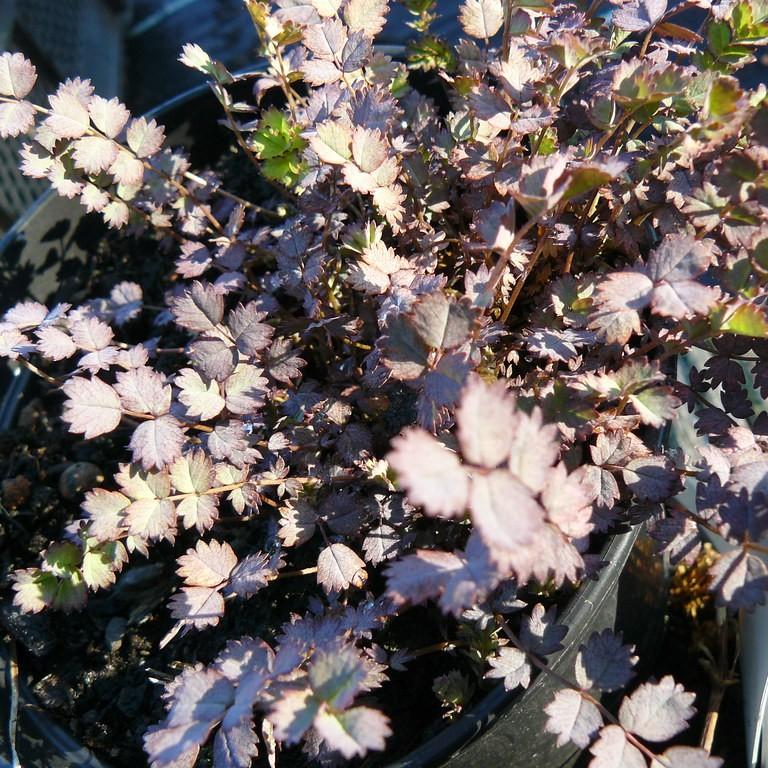
The brome-like sedge (Carex bromoides) is an amazing species of plant. Its foliage adds beauty to gardens, growing in tight-knit mounds that turn bronze-like in colour during colder months. Its wiry stems can reach 1-2 feet tall and can spread up to 1.5 feet wide. It blooms in the late spring with long and slender spikes of greenish-white spikes up to 8 cm in length. It’s an attractive plant that functions best in moist soils of container gardens, median borders, and rock gardens. It’s deer resistant and does well in sun or light shade. Brome-like sedge is a great species for wildlife and pollinators; its flowers provide nectar and its leaves form rosettes and provide protective cover.
Care Guide
Watering
Brome-like sedge (Carex bromoides) should be watered thoroughly, but only when the top inch or so of the soil feels dry to the touch. During the growing season (April–October) the plants should be watered approximately every 7-10 days. In the winter (November–March) when the plants are dormant, water them once every 2–3 weeks or only when the soil starts to dry out. When watering, the soil should be moistened to a depth of about 12 inches.
Light
Brome-like sedge (Carex bromoides) grows best in partial shade to full sun. If grown in full sun, plants should be watered more frequently to prevent drying out. It should be noted that direct sun may be too intense for this species, and could cause it to suffer if exposed to long hours of direct sunlight. In regions with hot, dry summers, shade will be beneficial for this sedge. In general, the best light requirements for brome-like sedge are a few hours of sun in the morning and early afternoon for best growth.
Temperature
Hardiness zone 4-8.
Pruning
When pruning Carex bromoides, it should be done in late spring or early summer. This species benefits from being cut back to the ground level after reaching a height of 12-15 inches. Care should be taken to avoid cutting away any flower heads or sheaths. After cutting, the area should be raked to remove dead foliage and debris. To ensure a healthy and dense plant, the grass should be cut to a maximum of 2 or 3 inches in height. Cutting too short may result in a sparse appearance and weakened structure. Pruning the sedge should be done twice a year to maintain its bushy, lush look.
Propagation
Division, Seed Propagation, Cutting, Layering Propagation
Uses & Symbolism
Attracts: Birds, Butterflies.
Related plants
Other plants you might like if you grow brome-like sedge.