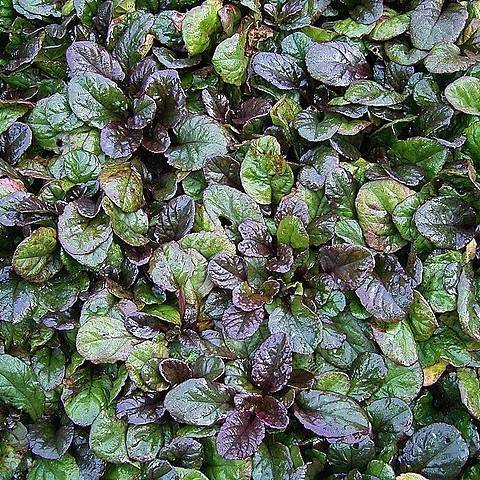
bugleweed
Ajuga reptans 'Atropurpurea'
Overview
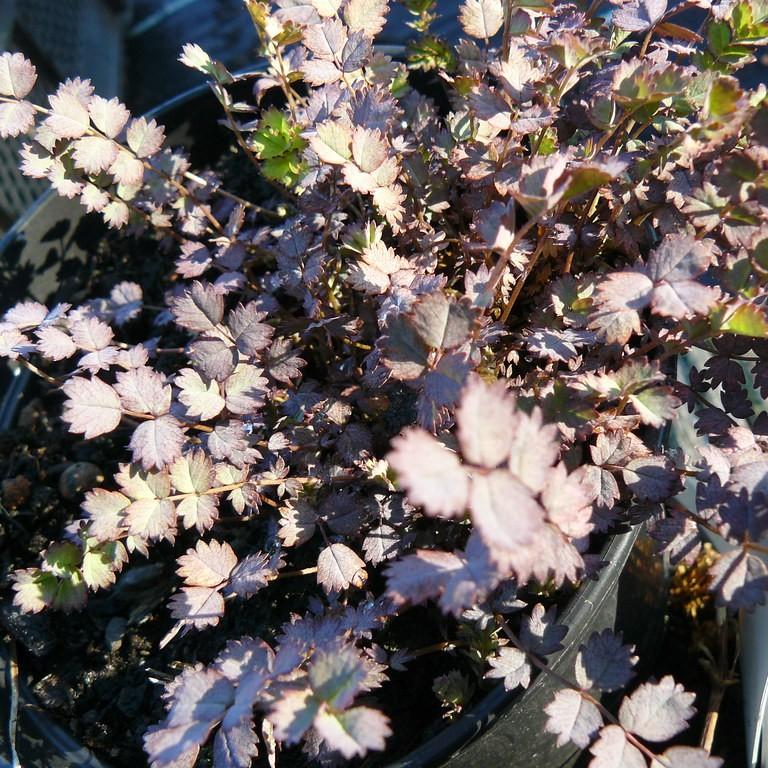
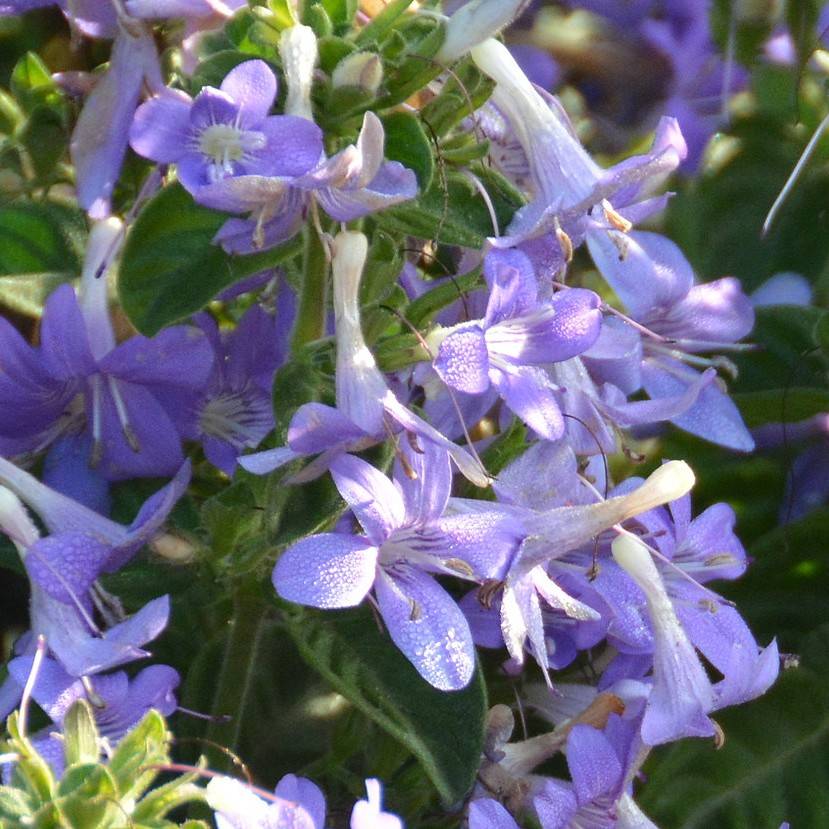
Bugleweed (Ajuga reptans 'Atropurpurea') is an amazing plant. It produces purple and deep blue-green foliage year round and is covered in small two-lipped bright blue flowers in the late spring and early summer. It is an excellent choice for areas of your garden that do not receive full sun, as it tolerates partial shade. It is a low-lying ground cover and prefers moist, well-drained soils. Its dark glossy foliage contrasts nicely with other plants and its flowers are a favorite for hummingbirds and butterflies. Bugleweed is both beautiful and hardy, making it a unique addition to any garden.
Care Guide
Watering
Bugleweed (Ajuga reptans 'Atropurpurea') should be watered once every 1-2 weeks, using enough water to moisten the soil down to 6-8" deep. Water until the soil is slightly damp to the touch. It's important to avoid overwatering and to be consistent with watering. Allow the surface of the soil to dry out slightly between watering cycles to prevent root rot. During the spring/summer months, water the plant more frequently as the need increases due to the higher temperatures and increased evaporation. In the winter months, water less frequently and make sure to check the soil for moisture before each watering.
Light
Bugleweed (Ajuga reptans 'Atropurpurea') is a shade-tolerant plant species that can perform well in partial sun or shade. It prefers to receive at least 4 hours of sunlight each day to reach its full potential, with at least 5 hours more optimal. That being said, bugleweed should be protected from too much harsh direct sunlight, as this can cause its foliage to wilt. It is best to plant bugleweed in areas of your garden that get some sun in the morning and are protected from the hot afternoon sun.
Soil
Rocky , gravelly , dry
Temperature
Hardiness zone 3-10.
Pruning
Bugleweed should be pruned in late winter or early spring before it begins to put out new growth. This will ensure that you don't accidentally prune off any of the new flowering growth. Pruning should involve removing any dead leaves and stems and trimming any stems that have become spindly or woody. It is important to be careful when pruning bugleweed not to trim too much and remove more than 1/3 of the foliage.
Propagation
Division, Cutting, Layering Propagation, Seed Propagation
Uses & Symbolism
Attracts: Bees.
Diseases & Pests
Common pests: Deer resistant, Rabbit resistant, Drought resistant.
Related plants
Other plants you might like if you grow bugleweed.