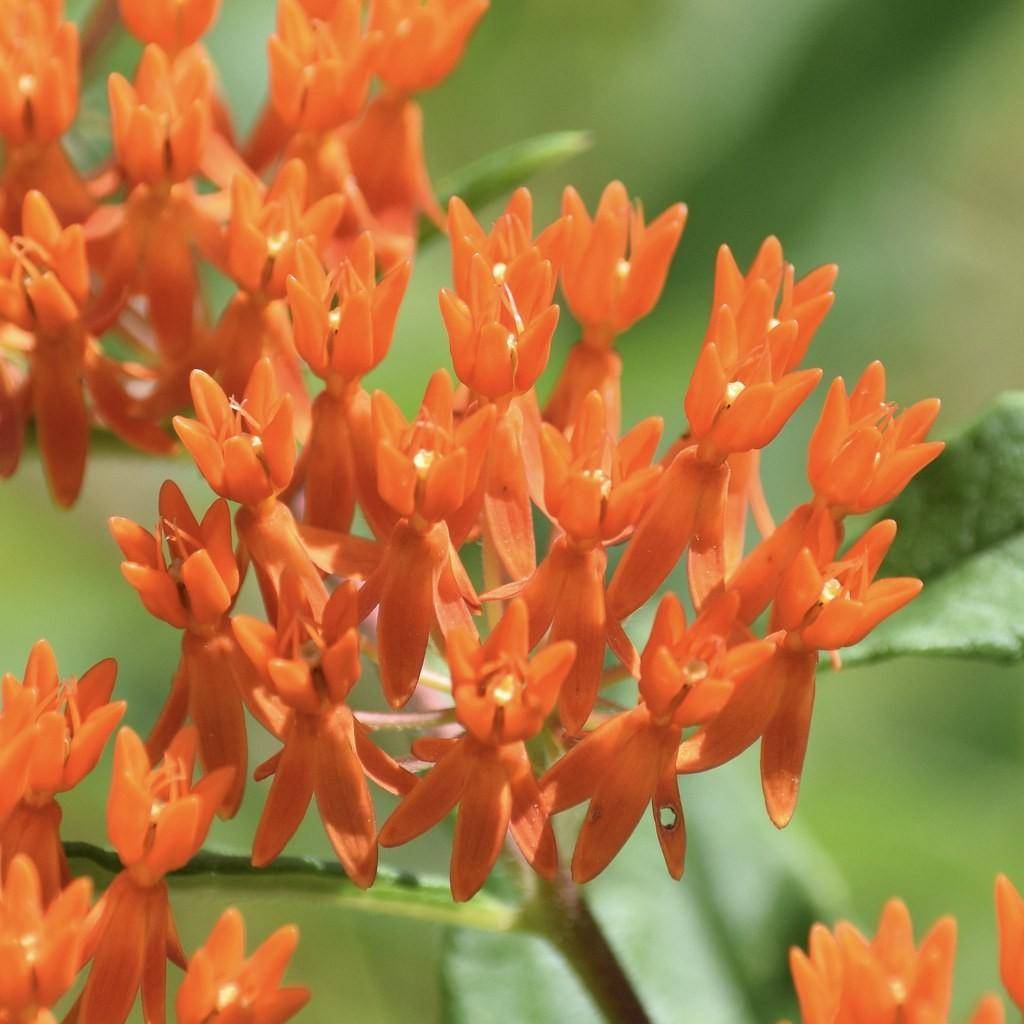
butterfly weed
Asclepias tuberosa
Overview
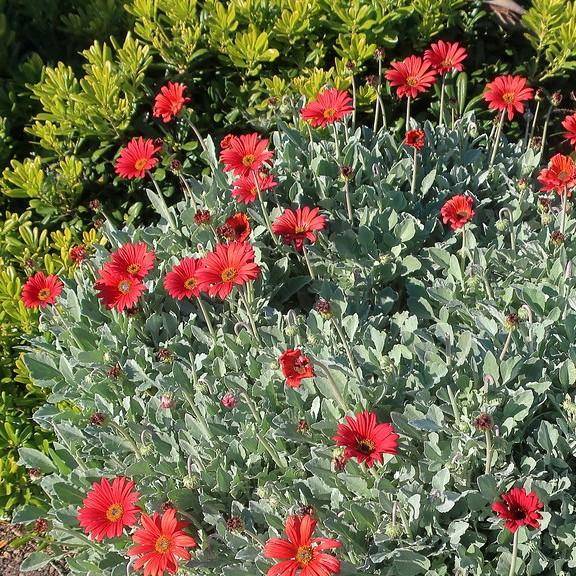
Butterfly weed (Asclepias tuberosa) is an amazing plant species that provides beautiful blooms and nourishment to a variety of butterflies, bees, and other pollinators. Its bright, vibrant orange flowers make for a stunning addition to any garden and its long blooming season is sure to delight gardeners of all levels. The plant is incredibly drought tolerant and has low maintenance requirements, making it an ideal choice for xeriscaping or dry rock gardens. Its deep roots combat erosion, provide shelter for wildlife, and are essential in improving soil health. It's a must-have for anyone looking to bring a bit of beauty to their garden!
Care Guide
Watering
Water Butterfly Weed lightly and only when the soil is dry to the touch, about 1-2 inches down. Newly planted plants may require a bit more regular watering so that the soil is kept consistently moist until the plant is established. In hot, dry climates, such as those often found in the southwestern United States, water the plant more frequently to keep the soil moist, up to multiple times a week. In periods of heavy rains, no additional watering may be necessary.
Light
Butterfly weed (Asclepias tuberosa) needs at least 5-6 hours of direct sunlight per day. Early morning and late afternoon sunlight is usually best, as it has not yet become intense and direct during these times. This plant grows best with full sun exposure throughout the day, though it can tolerate some shade during the hottest parts of the day.This sun will help it to properly photosynthesize and grow. Too much shade (more than 4 hours a day) can lead to fading of foliage or lack of bloom.
Soil
Sandy Loamy Rocky
Temperature
Hardiness zone 3-9.
Pruning
Butterfly weed (Asclepias tuberosa) is a species of milkweed that should be pruned in the late spring or early summer after it blooms, because the flower spires attract several species of butterflies. Pruning butterfly weed should be light and infrequent for best results. After flowering, the stems should be cut back by half their length. Any side stems that bloomed should also be removed. Rejuvenate the plant annually to keep it looking good, but if the plant appears to be getting too leggy or open, it can be lightly pruned to encourage a denser growth habit. Pruning should take place after flowering and before autumn in most areas.
Propagation
Division, Root Cutting, Seed Propagation, Layering Propagation
Uses & Symbolism
Attracts: Butterflies.
Related plants
Other plants you might like if you grow butterfly weed.