California Incense Cedar
Calocedrus decurrens
Overview
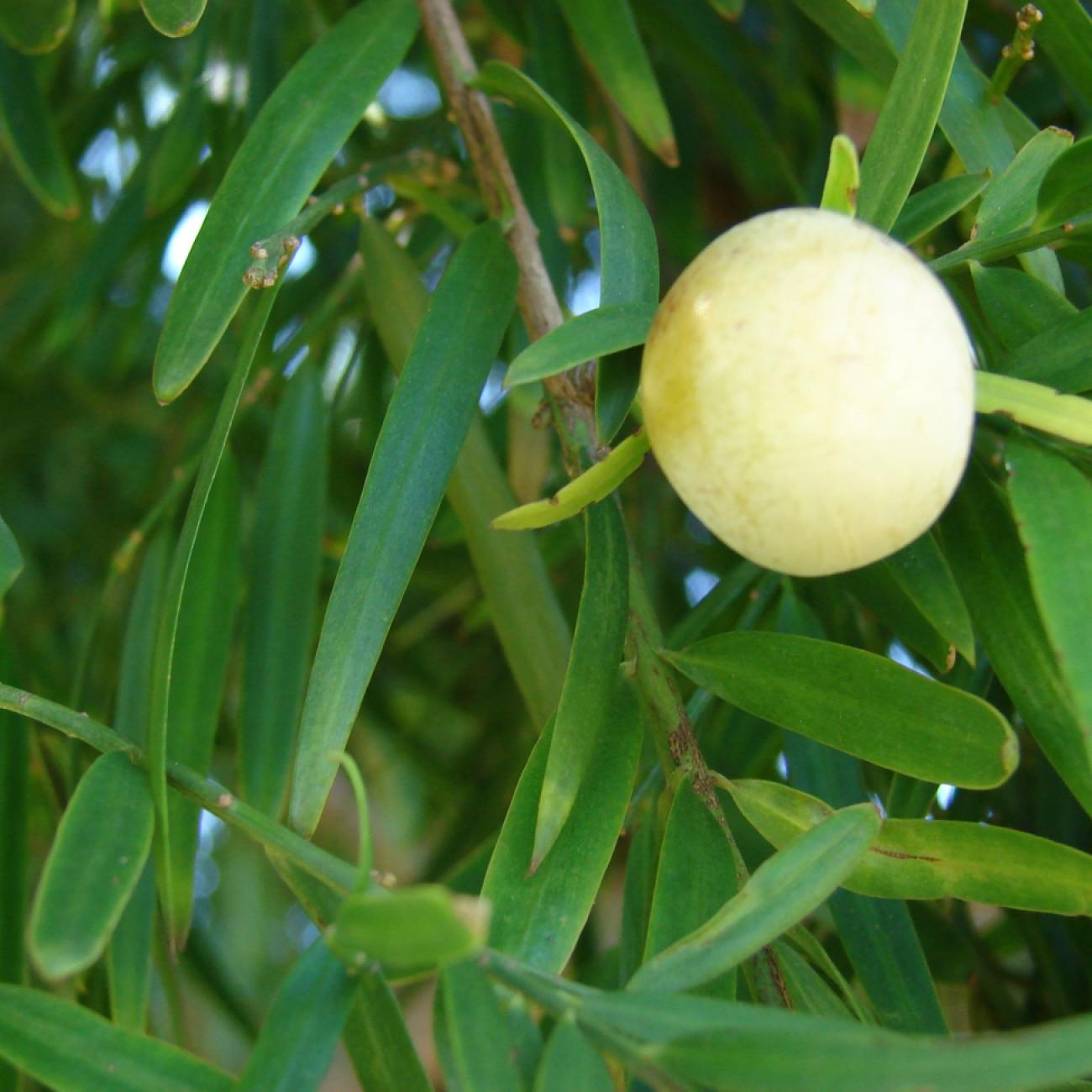
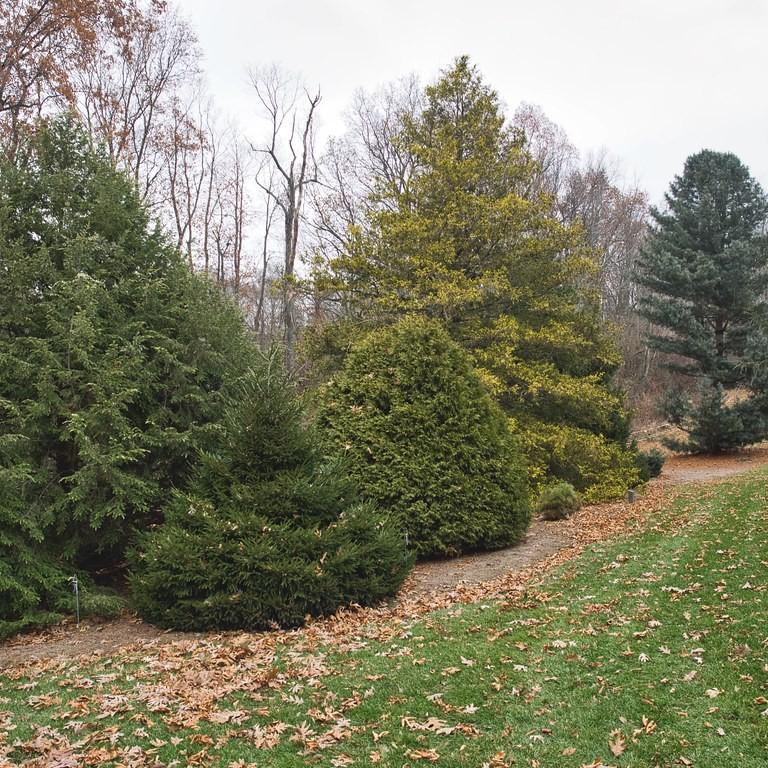
California Incense Cedar (Calocedrus decurrens) is an amazing tree species that is native to western North America. It has an attractive "flare-shaped" silhouette with enticing orange-brown bark, and its cascades of feathery branches are dotted with vivid green needles that give off a sweet cedar scent. Its moderate growth rate and close-knit branches make it an excellent privacy screen or windbreak, while its longevity and resistance to disturbance make it an excellent choice for many landscapes. Wildlife benefit from its dense foliage, as it provides excellent habitat for birds and other animals. Furthermore, it is very fire-resistant and can tolerate drought, making it a great choice for areas susceptible to wildfires. California Incense Cedar is an amazing species for any landscape.
Care Guide
Watering
Calocedrus decurrens, commonly known as California Incense Cedar, should be watered deeply and infrequently, about every 3 to 4 weeks in the summer and once every 5 to 6 weeks in the winter. Make sure the soil is well drained, and never let it become too soggy. During particularly hot or dry spells, it may require additional watering. To check if it needs watering, stick your finger into the soil and if it feels dry, it’s time to water. When you water, it is important to moisten the entire root zone deeply, so that the roots are encouraged to grow deep into the soil.
Light
California Incense Cedar can do well in both full sun and partial sun. It prefers full sun, but it is tolerant of light shade for short periods of time. It does best in the morning sun, with the afternoon sun being less desirable. It needs at least 5-6 hours of sun per day to grow properly.
Soil
Well-drained
Temperature
Hardiness zone 5-5.
Pruning
Pruning California Incense Cedar (Calocedrus decurrens) should be done in early spring before new growth appears. This will promote vigorous growth for the season and help maintain an attractive shape. To prune, select dead, diseased, and crossing branches and remove them at the base, making sure to remove the entire branch. Where needed, thin out the canopy by removing up to 1-third of the branches to allow growth of the interior branches. Lightly shaping the canopy is recommended. Do not top the tree, as this will cause it to become unattractive and lead to structural problems.
Propagation
Seed Propagation
Diseases & Pests
Common pests: Rust, Drought resistant .
Related plants
Other plants you might like if you grow California Incense Cedar.