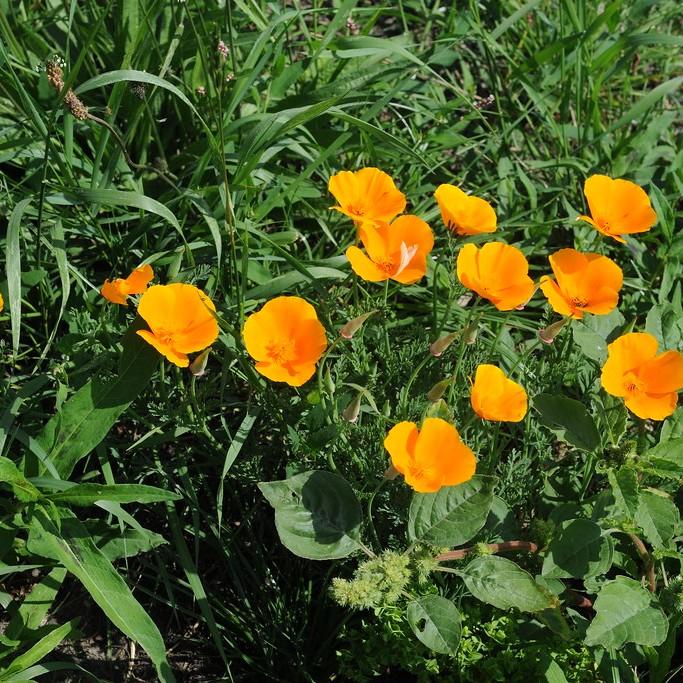
California poppy
Eschscholzia californica
Overview
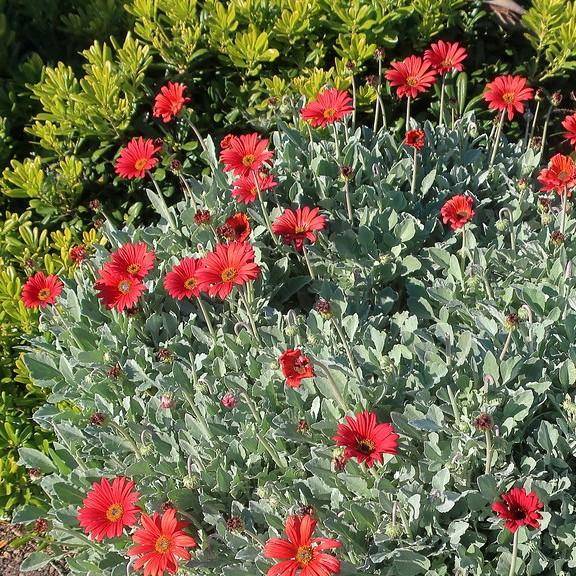
The California poppy, a brilliant bloom that displays a multitude of shades ranging from orange to yellow and sometimes even pink, is an amazing species. Not only does it boast an incredibly vibrant color palette, the flower is also highly drought-resistant and can flourish in a range of weather conditions, even blooming in summer's hottest temperatures. Besides providing a stunning splash of color to any outdoor setting, California poppies are also packed with health benefits. The plant's aromatics are known to reduce anxiety and provide a calming effect, while the petals can be used as a natural food dye. Not only aesthetically pleasing, the California poppy is a practical and hardy choice for adding a touch of beauty to one's environment.
Care Guide
Watering
The California poppy should be watered deeply but infrequently. During its active growing season, water the plants once a week when the top inch of soil feels dry. Avoid overwatering, which can lead to root rot. During dry spells, water your California poppies with approximately 1 – 1.5 inches of water per week. During an extended illness spell, water the plants every 2 to 3 weeks. In the dormant winter season, allow the soil to dry out completely before watering your poppies again.
Light
California poppies need approximately 6–8 hours of direct sunlight each day in order to thrive. During the summer they prefer full sun in the morning with some afternoon shade—ideally afternoon shade from a tall building or a tree or trellis. If they are planted in a very hot climate, they can tolerate full sun all day, but may need to be watered more often. During the winter, they need full sun to keep blooming.
Soil
Well-drained
Temperature
Hardiness zone 6-10.
Pruning
Pruning of California poppies is best done in the spring after they have finished flowering. Pruning is necessary to promote a long bloom and a bushier habit. Prune off flower stalks and seed heads, then lightly trim back the foliage by about 1/3 of its current height. However, avoid trimming too much off as this will cause the plant to produce fewer flowers. Any hard pruning should be done in the early spring before the new growth has begun.
Propagation
Seed Propagation
Diseases & Pests
Common pests: Fungal leaf spot, Root rot, Thrips, Rabbit resistant, Drought resistant .
Related plants
Other plants you might like if you grow California poppy.