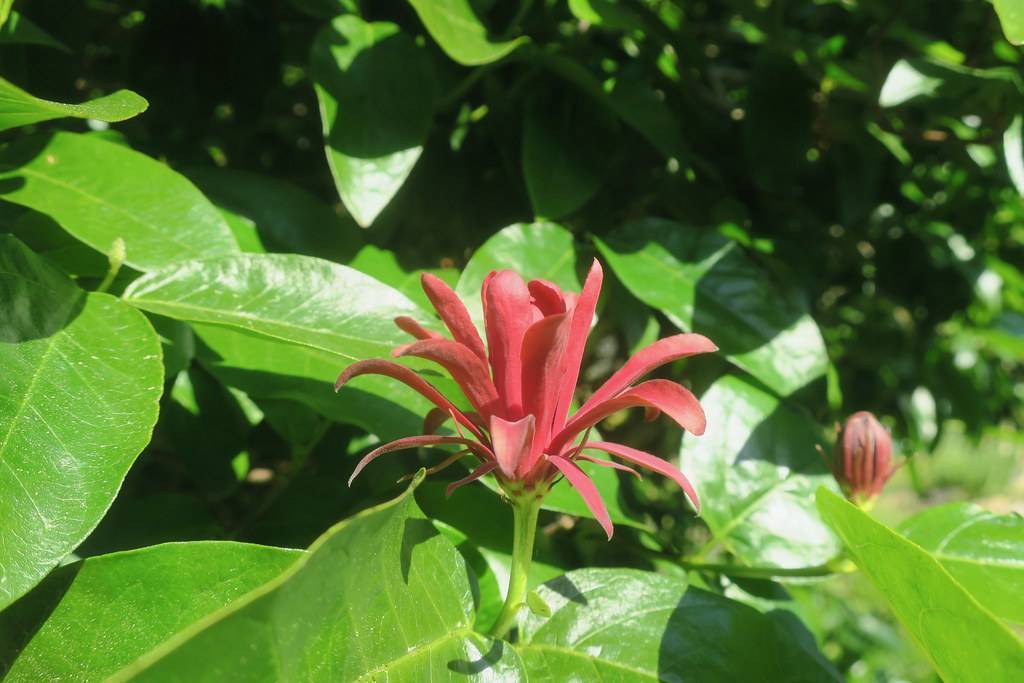
Californian allspice
Calycanthus occidentalis
Overview
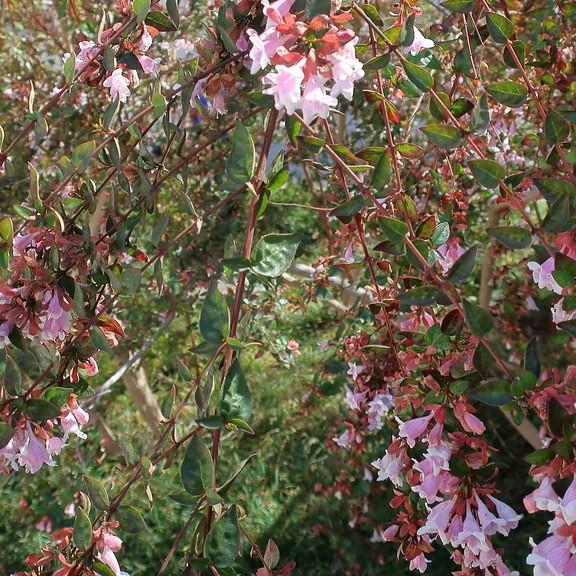
Californian allspice (Calycanthus occidentalis) is an amazing plant species that can add beauty to backyard landscapes with its glossy, deep green leaves and marbled bark. Its flower blooms during the spring and summer months, with an incredibly fragrant aroma that mimics a combination of clove, cinnamon, and nutmeg. This shrub thrives in moist, well-drained soil and can reach up to 6-12 feet in height and width. Californian Allspice is also highly adaptable to various climates and provides both year-round beauty and wildlife support as a nectar source. It's an incredibly resilient plant that will add a delightful touch to any garden.
Care Guide
Watering
Water Californian allspice plants consistently during its first growing season. This ensures they become well established. Young plants need 1-2 inches of water each week during the warm months, preferably in the morning. In winter, reduce watering until spring, when temperatures rise and the plants actively grow. During hot, dry spells, water mature plants every 7-10 days, approximately 1-2 inches each time. If rainfall is good that season, supplement with only occasional water to prevent soggy soils. Californian allspice is relatively drought tolerant, so don't overdo it. On average, they will require about 2-3 summer waterings per month. Reduce watering in autumn and winter and stop altogether if heavy rainfall arrives.
Light
Californian allspice needs full sun, meaning at least 6 hours of direct sunlight each day. This plant should be planted in an area that gets the most sun possible throughout the day of spring, summer, and early fall. In the winter months, the plant should be given some shade to protect it from the harsher temperatures. It is best to place the plant west or south-facing windows that allow for an adequate amount of sunlight throughout the day.
Temperature
Hardiness zone 6-9.
Pruning
Californian allspice should be pruned minimally and only when necessary to keep its natural form and encourage dense growth. Pruning should be done in late winter to early spring, before new growth begins. If pruning is needed to reduce size, remove up to 1-third of the older branches. Avoid removing too much of the shoot as it can delay bloom by up to a few years. If needed, trim back any crowded or crossing branches to maintain the desired shape. Thin out any excess branches that are cluttering the shrub to promote airflow and sunlight penetration. Finally, remove any dead, decaying, or diseased branches to help maintain healthy plant growth.
Propagation
Cutting, Layering Propagation, Grafting Propagation, Seed Propagation, Division
Related plants
Other plants you might like if you grow Californian allspice.