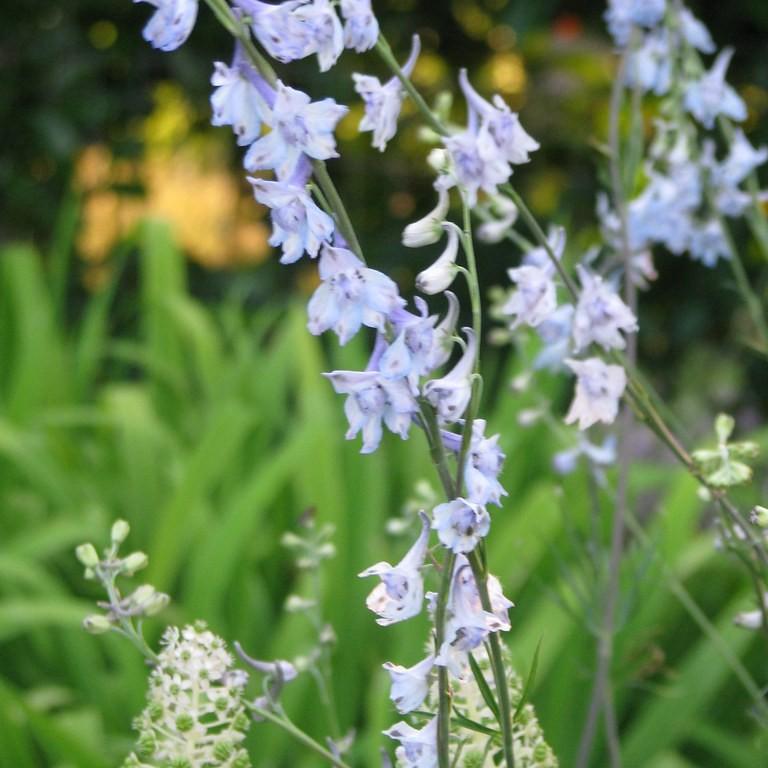
Carolina larkspur
Delphinium carolinianum
Overview
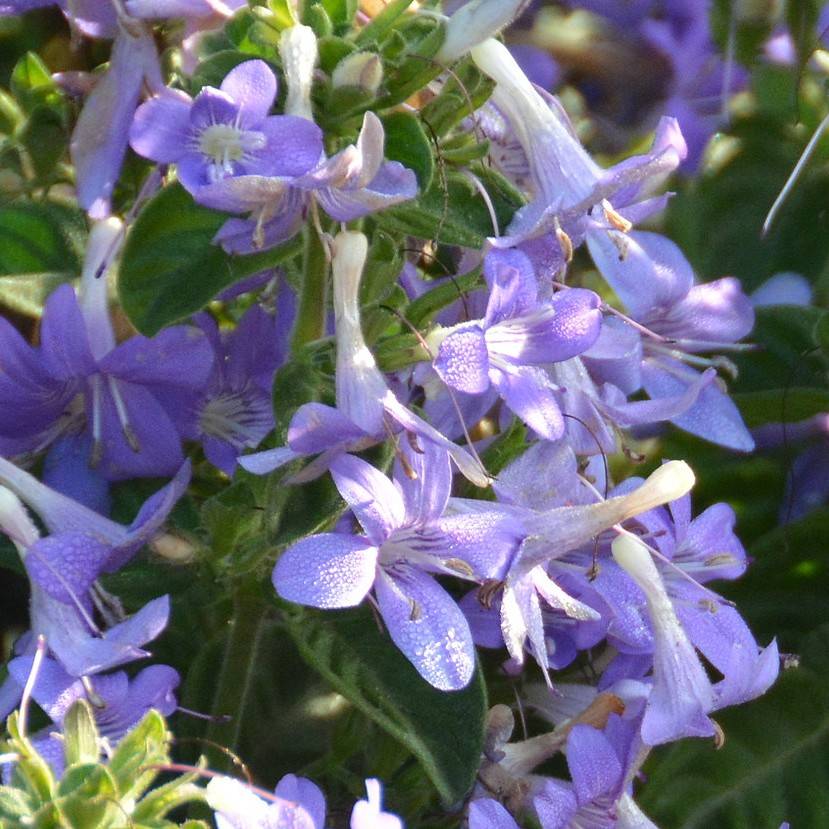
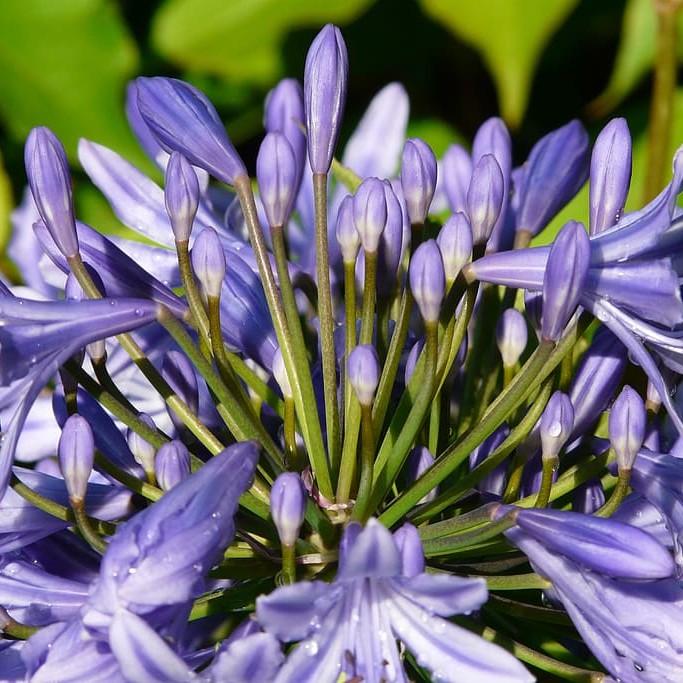
Carolina larkspur is an amazing perennial plant native to Southern and Eastern United States and Northern Mexico. This species is a prairie wildflower of the buttercup family featuring vivid violet-blue blooms that attract hummingbirds and bees. During the summer, Carolina larkspur's tall flower spikes will add beauty, color, and height to any garden. It also stands out because of its fern-like divided foliage and its tough stem coated with a grayish-white bloom. This species is drought tolerant, deer resistant and very easy to grow, making it a great choice for any garden. With its stunning blooms, Carolina larkspur is definitely a winner.
Care Guide
Watering
Carolina larkspur should be watered regularly during its active growing season. Water it once a week during temperatures between 60-70°F (15-21°C). Give the plant enough water that it covers the top inch of the soil and reaches the plant's root structure. Make sure to avoid over-watering, as this can lead to root rot. In hotter climates, water more frequently or every few days. If you live in a cooler climate, you can water once every 2 weeks. During the winter, you don't need to water as much, however, you should still provide enough to keep the roots moist. Be sure to check the soil before watering and ensure it is not overly wet.
Light
Carolina larkspur prefers full sun to partial shade, with the most intense light occurring during the early morning and late afternoon hours. They grow best in light, well-drained soil, and may require supplemental irrigation during periods of longer than normal dry spells. The plants require 3 to 6 hours of direct sunlight on a daily basis and prefer areas where temperatures remain mild. In areas where temperatures are extreme, additional sunlight may be needed to promote healthy growth.
Temperature
Hardiness zone 4-7.
Pruning
Carolina larkspur should be lightly pruned in early spring before new growth begins and again shortly after flowering. To prune, remove any dead, damaged, or diseased wood, then trim away old flowering stems, removing about 1-third of last season’s growth and any shoots that are too long. Prune lightly so as to not reduce long-term flowering potential.
Propagation
Seed Propagation, Division, Root Cutting, Layering Propagation
Uses & Symbolism
Attracts: Hummingbirds, Butterflies.
Related plants
Other plants you might like if you grow Carolina larkspur.