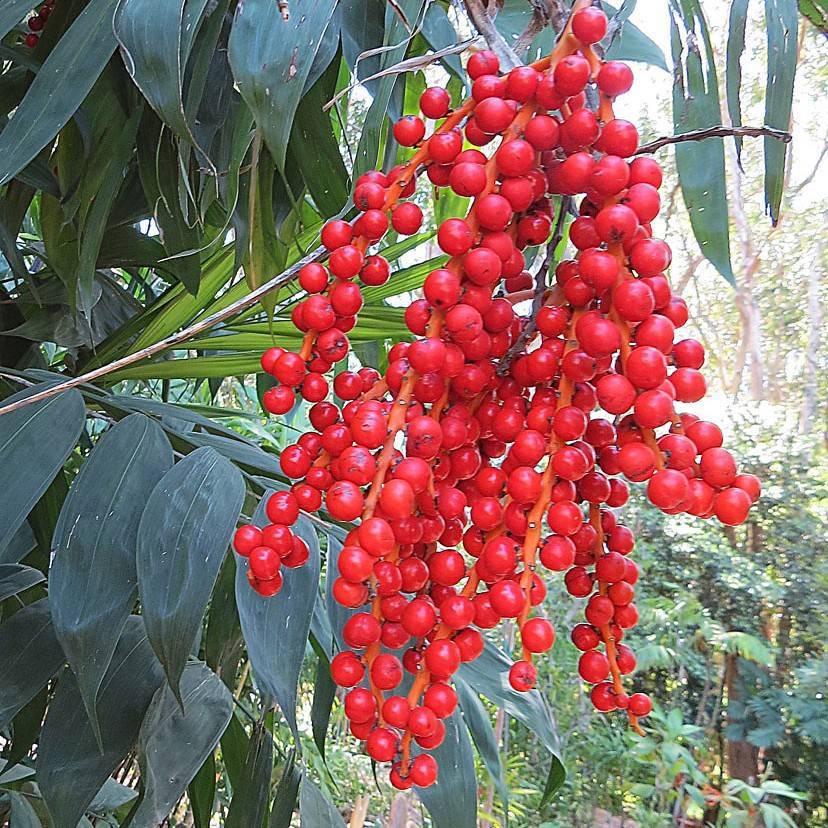
chamaedorea
Chamaedorea microspadix
Overview
Chamaedorea microspadix is an incredible plant species! With its slender, deep green leaves and delicate white stripes near the midrib of each leaf, it adds a unique touch to any space. It is a very low-maintenance plant, requiring little more than a misting from a spray bottle. Additionally, it is tolerant to low light, though it thrives in bright, indirect light. With fuss-free care and striking foliage, this plant makes a perfect addition to any home.
Care Guide
Watering
Chamaedorea microspadix plants should be watered twice a week with a substantial amount of water. When watering, aim for the root zone to be moist but not wet. During the growing season, the soil should be damp while during the dormant season, the soil should be allowed to dry out between waterings. During the summer months, it may be necessary to water more frequently (as often as every 3 days) or more infrequently (as little as once every 10 days). It's best to adjust the watering schedule as necessary in order to keep the soil relatively moist but not wet.
Light
Chamaedorea requires 2 to 4 hours of sunlight per day, preferably in the morning or late afternoon. During the summertime, the plant should be placed in a partially shaded area with limited exposure to direct sunlight. In the cooler months, it can accept more sunlight throughout the day, but it should be shielded from the intense midday sun. During the winter, it may need additional lighting with a fluorescent or LED bulb for around 10-14 hours a day in order to sustain its growth.
Temperature
Hardiness zone 8-11.
Pruning
Chamaedorea microspadix is a tropical plant that typically needs minimal pruning due to its slow-growing nature. It is best to prune the plant in the late spring or early fall. This will give the plant enough time to heal from pruning wounds and develop new foliage. To prune Chamaedorea, use a sharp pair of garden shears to remove any dead or damaged leaves or stems, then thin out any overcrowded areas. Avoid pruning too much since the plant can become leggy and unshapely. Inspect the plant regularly and remove any dead foliage as it appears.
Propagation
Division, Cutting, Air Layering Propagation, Seed Propagation
Related plants
Other plants you might like if you grow chamaedorea.







