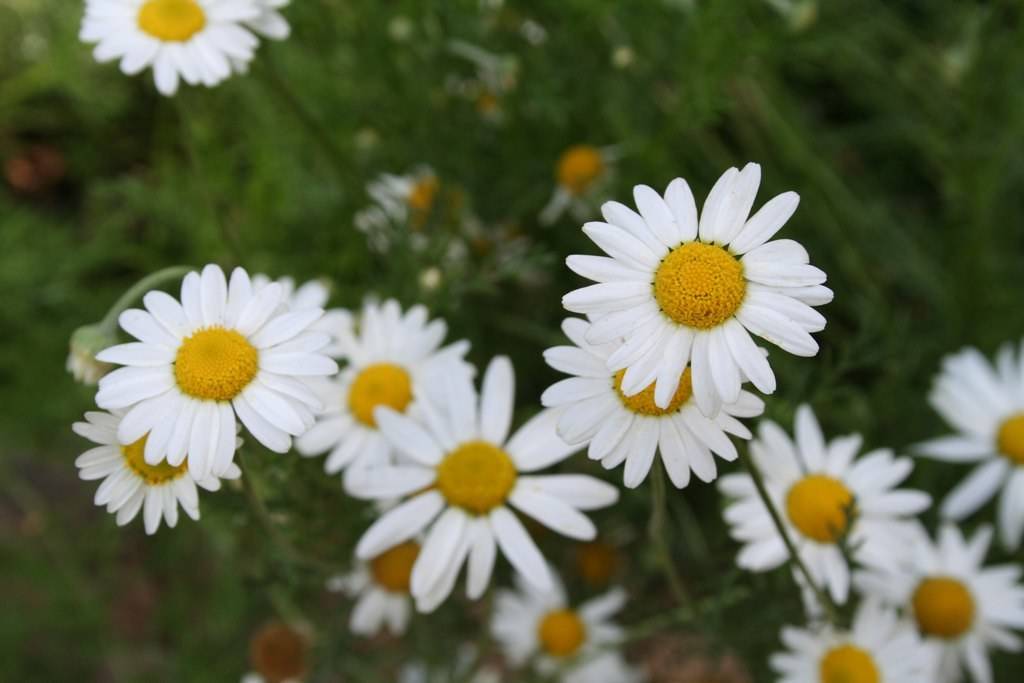
chamomile
Chamaemelum nobile
Overview
Chamomile is a truly amazing plant species. Its delicate, daisy-like flowers have been used for centuries to make a soothing medicinal tea. The plant is also known for its calming properties; the tea can be used to help reduce anxiety, insomnia and even mild depression. Thanks to its low-growing nature, its a great addition to any garden. Its drought tolerant and making it a great choice for busy gardeners who want something that will thrive without a lot of maintenance. Plus, its sweet aroma will bring a lovely scent to any outdoor area. Chamomile truly is an amazing plant species.
Care Guide
Watering
Chamomile (Chamaemelum nobile) requires about 1 inch of water per week. Water your Chamomile deeply, and then allow it to almost completely dry out before the next watering. Water plants in the morning or evening – avoid the midday heat. If the soil gets too dry, the plants can suffer from a lack of nutrients and look wilted or discolored. Avoid over-watering as waterlogged soils can lead to root-rot.
Light
Chamomile requires a full sun exposure of at least 6 to 8 hours of direct sunshine per day for optimal growth and flowering. Morning sun is ideal for this plant species since it is more intense and will help the blooms open in the daytime. Some shade is beneficial during mid-day when temperatures and UV rays are at their maximum. In areas with hot summers, planting less sun-tolerant varieties in shadier locations or providing afternoon shade from structures like walls or awnings helps increase chamomile’s longevity.
Soil
Rocky , gravelly , dry, Well-drained
Temperature
Hardiness zone 4-9.
Pruning
For Chamomile (Chamaemelum nobile), pruning is usually done at the end of winter when established plants are already well into their dormant period. Start by cutting off any dead or damaged branches close to the main stem. Then, lightly trim around the entire plant to remove foliage that has become too spindly or overgrown. This will help to promote better air flow and increased flowering. After pruning, approximately 1/3 of the plant should remain. Pruning should only be done when absolutely necessary as over-pruning can cause more harm than good. Regular maintenance is advised to ensure optimal health and flowering of the plant.
Propagation
Seed Propagation
Diseases & Pests
Common pests: Pest resistant, Disease resistant, Drought resistant.
Related plants
Other plants you might like if you grow chamomile.







