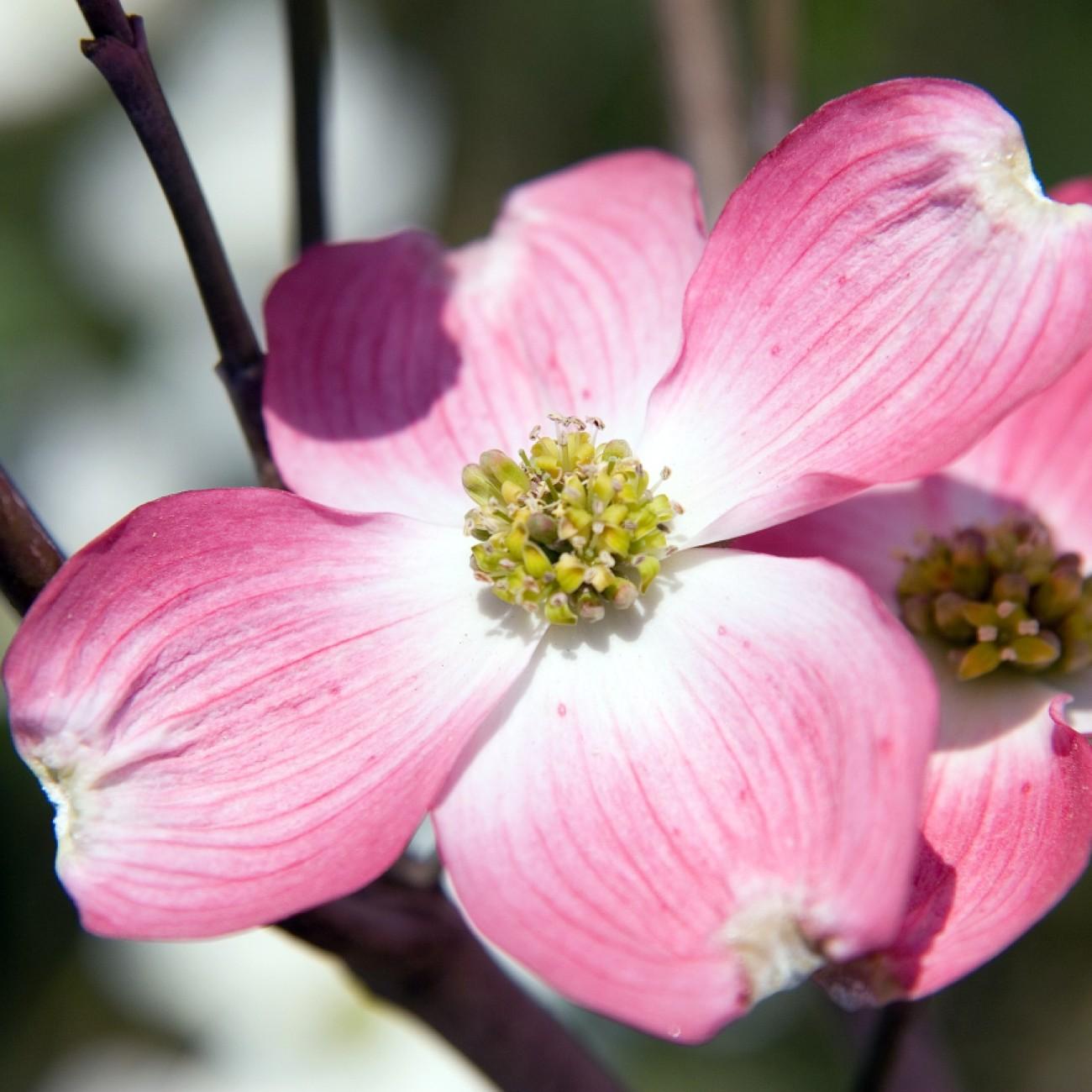
Cherokee Brave Flowering Dogwood
Cornus florida 'Cherokee Brave'
Overview
The Cherokee Brave Flowering Dogwood (Cornus florida 'Cherokee Brave') is an amazing species of dogwood tree. It boasts a deep green, highly lustrous foliage, spectacularly showy flowers, and a unique red fall color. This tree makes an attractive landscape feature, especially in spring when it blooms bright white flowers with yellow centers. These blooms are succeeded by bright deep red fruits that persist throughout the summer. The Cherokee Brave Flowering Dogwood is noted for its exceptional vigor and disease resistance, making it a great choice for an ornamental tree. This species also thrives in average soil with regular watering, making it an excellent carefree choice for gardeners.
Care Guide
Watering
The Cherokee Brave Flowering Dogwood requires regular water to stay healthy. Its roots need moisture, but it should not be allowed to become waterlogged. During the growing season of spring and summer, the dogwood should receive water 1-2 times per week. In hotter, drier weather, watering can be increased to every 3-4 days. Not all varieties require watering during the winter, but Cherokee Brave may benefit from some supplemental watering, especially if the winter is especially dry. Watering during the winter should be done sparingly, with the soil lightly moist to the touch. Over-watering can lead to rot and other problems in the fall and winter.
Light
Cherokee Brave Flowering Dogwood plants require 4 to 6 hours of direct sunlight per day. For best results, the Dogwood should receive more sun during the morning hours when the sun is not at its hottest. In periods of drought, the Dogwood may need extra sunlight to ensure proper growth and flowering. Avoid placing the plant in a particularly hot, sunny location in order to avoid sunburn or leaf scorch.
Soil
Acidic, Well-drained
Temperature
Hardiness zone 6-6.
Pruning
Cherokee Brave Flowering Dogwood should be pruned twice a year for best results. Pruning during the late fall and late winter will help keep the Cherokee Brave Flowering Dogwood’s health and appearance in optimal condition. Pruning during the late fall should focus on removing dead, diseased, or broken branches. Pruning during the late winter should concentrate on removing branches that are crossing and rubbing against each other. It is important to not prune more than 1/3 of the total branches, as this can cause stress on the tree. Always use sharp, clean pruning tools to reduce the spread of disease while pruning.
Propagation
Seed Propagation, Cutting, Grafting Propagation, Layering Propagation
Diseases & Pests
Common pests: Anthracnose, Canker, sap rot, Diptera - true flies, Fungal leaf spot, Mildew, Nematodes, Root rot, Scale insects, Stem borer insects, Thrips, Deer resistant .
Related plants
Other plants you might like if you grow Cherokee Brave Flowering Dogwood.