chicory
Cichorium intybus
Overview
Chicory (Cichorium intybus) is an amazing green that is packed with health benefits. It is a perennial herb that is closely related to the dandelion, and is rich in vitamins with large amounts of vitamin A, vitamins K, E, and B6. It is also high in fiber, minerals, and antioxidants, and has the ability to reduce inflammation in the body in addition to aiding digestion. It's highly nutritious, and can be eaten raw or cooked in dishes. With its deep, earthy flavor and nutty crunch, this unique green is sure to tantalize the taste buds and is definitely worth trying.
Care Guide
Watering
Chicory plants should be watered once or twice per week, depending on the weather. In warmer temperatures, more frequent watering is necessary. If temperatures are very hot, it is best to water at least twice per week. In cooler temperatures, once per week should be enough. When watering, the soil should be allowed to dry out between waterings, ensuring that the chicory plant does not become waterlogged. The soil should be kept moist, but it should not be overly saturated. If the chicory plant is in a container, additional watering may be needed to replace water lost through evaporation.
Light
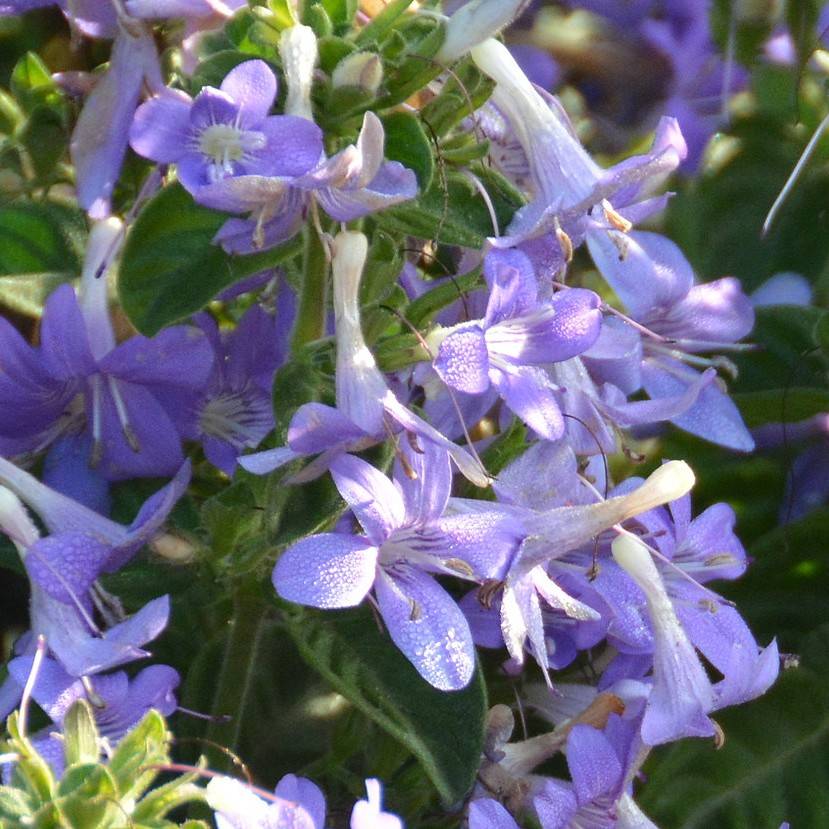
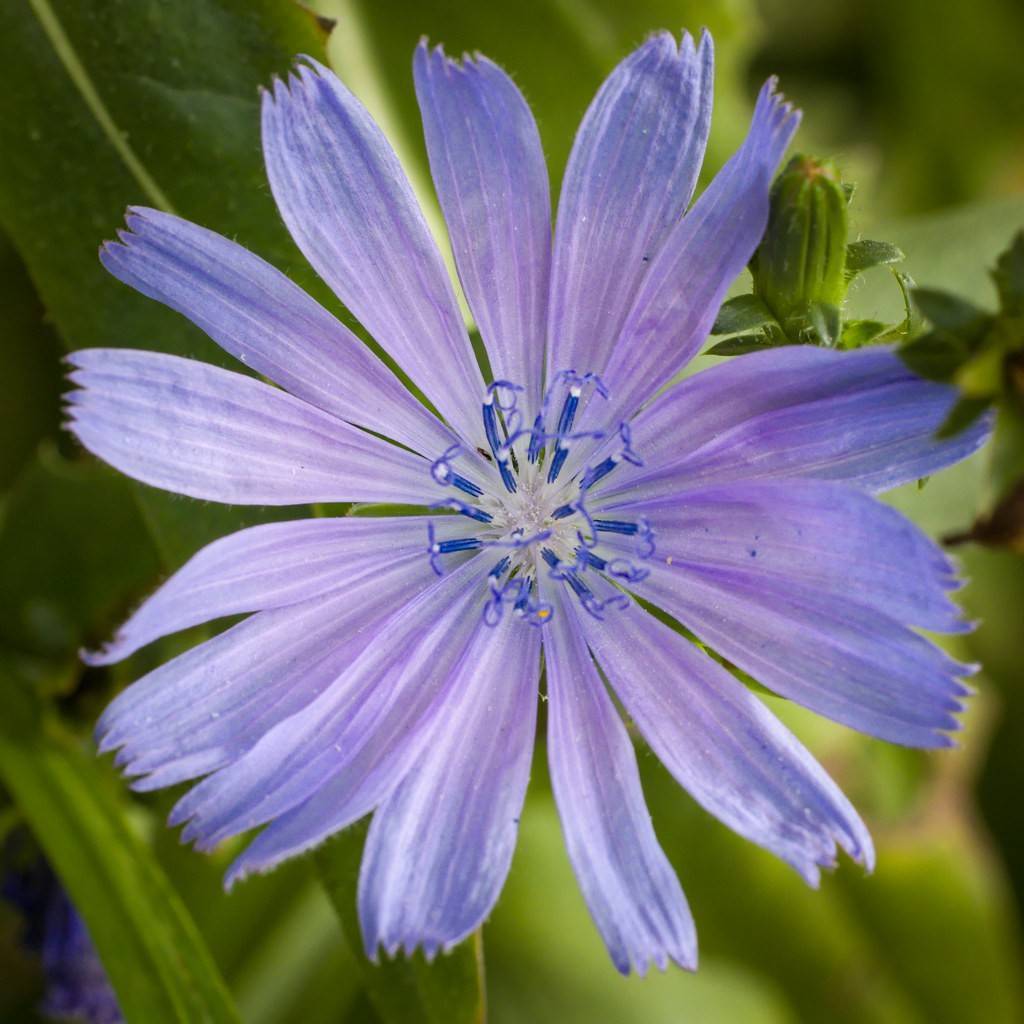
Chicory (Cichorium intybus) generally requires at least 6 hours of direct sunlight a day to stay healthy and produce its vibrant blue flowers. Its ideal sunlight conditions are determined by the region; however, it is best grown in areas with full sun and some shade during the midday when temperatures are high. For best results, chicory should receive full morning sun and partial afternoon shade in order to limit stress from afternoon rays and extreme temperatures.
Temperature
Hardiness zone 3-8.
Pruning
Chicory is a perennial plant, and it should be pruned annually in late fall or early winter. Pruning should be done before the ground freezes and plants become dormant. Cut the top 2-thirds of the super upright stems that have produced flowers the previous season and remove dead flowers and foliage to promote new growth. If the foliage of your chicory becomes too dense, you can trim it back further as needed. Fertilize the Chicory plants in early spring with a balanced fertilizer to promote optimum health and growth.
Propagation
Seed Propagation, Division, Cutting, Layering Propagation
Related plants
Other plants you might like if you grow chicory.