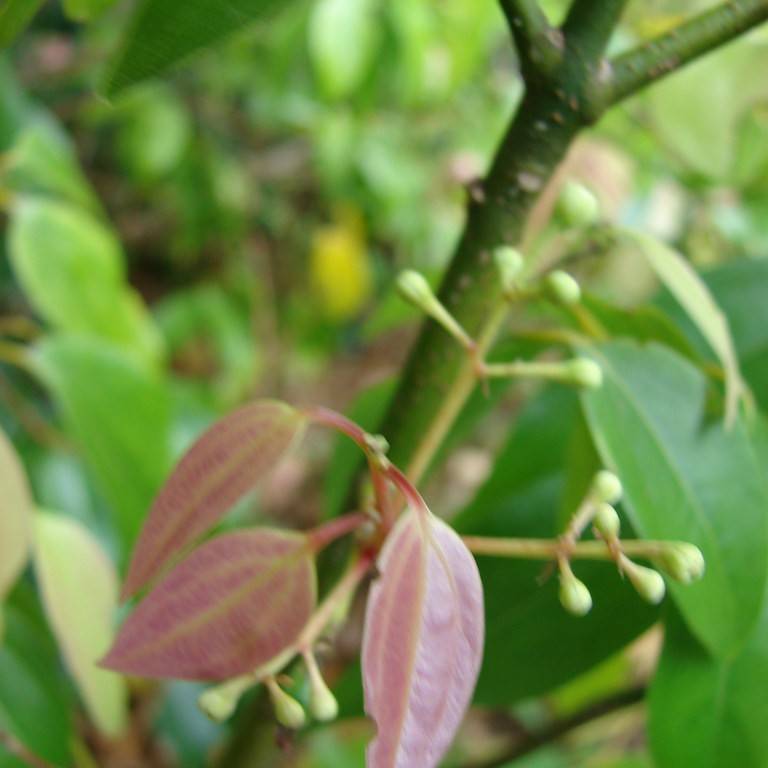
Chinese cinnamon tree
Cinnamomum cassia
Overview
The Chinese cinnamon tree (Cinnamomum cassia) is an amazing plant species native to China and Southeast Asia. Its strong aroma and flavor make it an invaluable ingredient in traditional Chinese cooking, and it is also widely used as an herbal remedy. Its bark is harvested, dried, and ground to form the aromatic spice. In addition to its culinary and medicinal uses, the Chinese cinnamon tree is valued for its beautiful, glossy leaves and fragrant flowers. It is an evergreen tree that can reach up to 30 feet tall and performs well in warm, humid climates. Its fragrant bark and leaves make it an attractive garden plant. With its attractive features and practical uses, the Chinese cinnamon tree is truly an amazing plant.
Care Guide
Watering
The Chinese cinnamon tree (Cinnamomum cassia) should be watered regularly to keep the soil slightly moist. In spring and summer, water them about 2-3 times a week (or more often if the soil dries out quickly). Cut back the frequency of watering to once a week in the fall and once every 2 weeks in the winter. Ensure the soil is not overly saturated as the Chinese cinnamon tree is prone to root rot in overly wet conditions.
Light
Chinese cinnamon tree (Cinnamomum cassia) requires full sunlight in order to thrive. It should have at least 6 to 8 hours of direct sunlight each day for best growth and development. The tree will also benefit from indirect sunlight for the remainder of the day. Too little light can result in small, stunted leaves and branches, while too much shade can reduce flowering and fruiting.
Temperature
Hardiness zone 10-12.
Pruning
For Chinese cinnamon tree (Cinnamomum cassia), it is best to prune annually, ideally during late spring or early summer--at the end of the tree's busy growing season. Pruning should focus on thinning out the lower branches and removing any dead or dry branches for improved air circulation. Since Chinese cinnamon trees are typically slow-growing, they don't require heavy pruning; light pruning is sufficient.
Propagation
Air Layering Propagation, Grafting Propagation, Cutting, Seed Propagation
Related plants
Other plants you might like if you grow Chinese cinnamon tree.