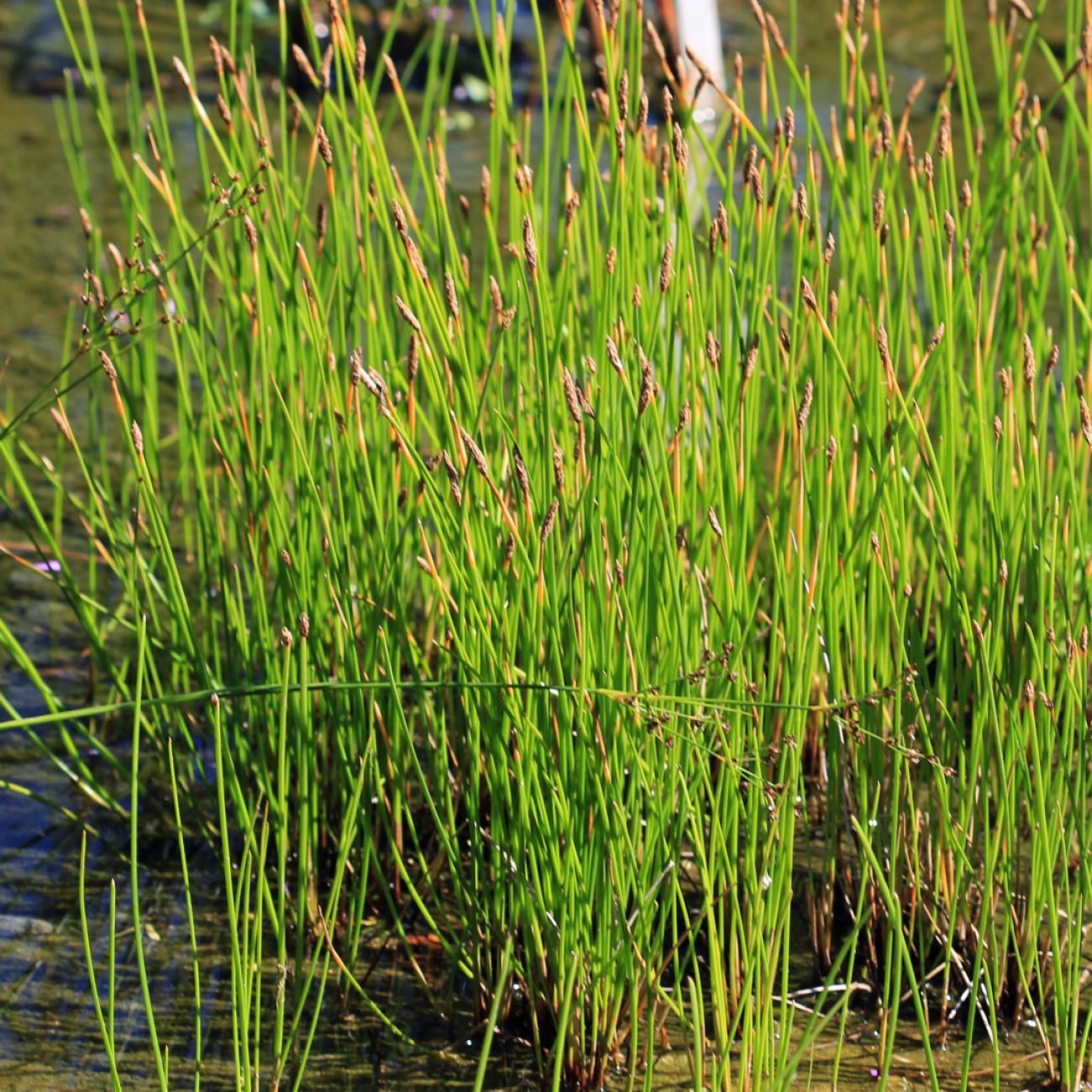
Chinese water chestnut
Eleocharis dulcis
Overview
The Chinese water chestnut (Eleocharis dulcis) is an amazing plant species that provides a nutrient-rich snack. It includes useful polysaccharides that can help boost the immune system, and is high in fiber, protein, and carbohydrates. Its crunchy and sweet taste makes it popular in salads, hot pots, and stir-fries. Its starchy center can be cooked, boiled, steamed, grilled, or roasted for snacks or added to recipes. Its hard shell and white inner core can be peeled and eaten raw. Chinese water chestnut is a versatile and nutritious plant, making it a great addition to any diet.
Care Guide
Watering
Chinese water chestnut plants (Eleocharis dulcis) should be watered when the top few inches of soil feels dry to the touch. This water plant should be watered deeply about every 4-7 days during the hot summer months, and about every 10-14 days during the spring and fall. When watering Chinese water chestnut plants, make sure to saturate the soil and avoid standing water. Water should also reach to the base of the plant to ensure adequate root growth.
Light
Chinese water chestnuts, also known as Eleocharis dulcis, need direct sunlight for 4-5 hours per day. An ideal time frame for receiving that sunlight is between the hours of 10 AM and 4 PM, when the sun is most potent and powerful. Chinese water chestnuts prefer filtered light or partial shade in the heat of midday, as direct sunlight during this time can potentially burn the leaves of the plant. Though slightly more forgiving regarding direct sunlight than other plants, Chinese water chestnuts benefit most from prolonged, direct, and consistent exposure to the sun.
Temperature
Hardiness zone 9-11.
Pruning
Chinese water chestnuts should be pruned in late spring or early summer when temperatures are warm. For optimal growth, pruning should be done after the plant produces new shoots, as this encourages growth and encourages flower production. Plants should be pruned back to the soil line, removing any dead foliage. To maximize production, the previous year's growth should also be pruned back by about 1-third. Pruning back the old growth will promote a more productive new harvest in the following season.
Propagation
Cormlet Propagation, Seed Propagation, Tissue Culture
Related plants
Other plants you might like if you grow Chinese water chestnut.