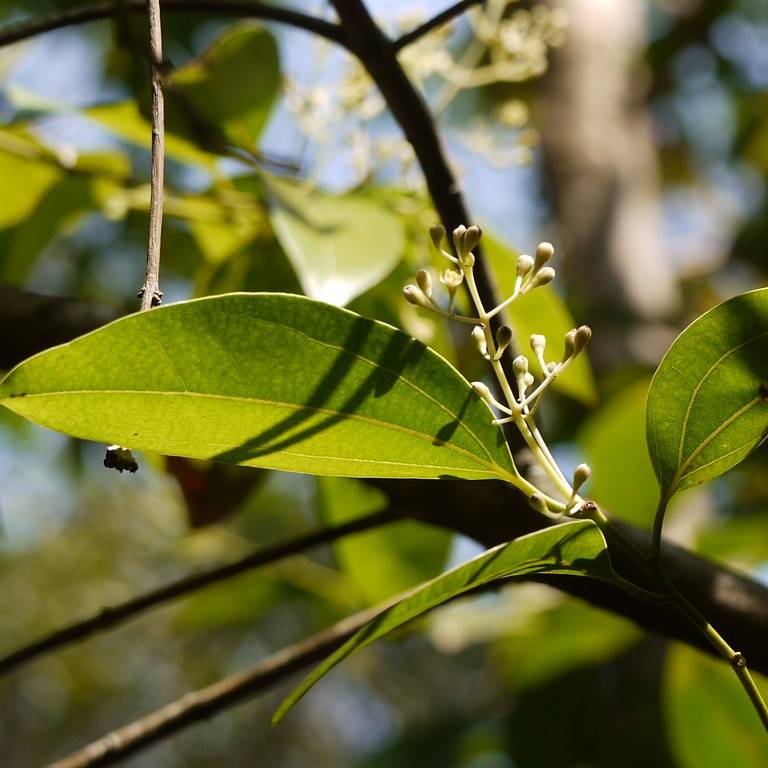
cinnamon
Cinnamomum verum
Overview
Cinnamon (Cinnamomum verum) is an amazing spice derived from the inner bark of a tree belonging to the genus Cinnamomum. Its use can be traced back as far as Ancient Egypt, where it was used as a health-promoting substance. Today, it is used in a variety of ways in both culinary and medicinal applications. It is known for its unique aroma, warm spice, and sweet flavor. Its impressive health benefits include anti-inflammatory, antioxidant, and antimicrobial properties which contribute to improved heart health, healthier blood sugar levels, and lower risk of certain chronic diseases. Additionally, cinnamon is an excellent source of essential vitamins and minerals, including manganese, iron, and calcium. This versatile spice can be used to add flavor to food, and may even help with weight loss!
Care Guide
Watering
For optimal growth, Cinnamon plants should be watered deeply 2 or 3 times a week. Use warm water to saturate the soil evenly and water until water drains from the bottom of the pot. Allow the topsoil to dry out between waterings and avoid over-watering – Cinnamon plants do not like wet soil. Check the plant’s soil regularly to gauge how much water is actually needed. During the summer it may need to be watered more frequently, while in winter it may need less.
Light
The amount and timing of sunlight required for a cinnamon plant (Cinnamomum verum) varies based on the growing conditions. Generally, cinnamon plants prefer full sunlight, at least 6 hours per day. Some species of cinnamon, such as C. burmannii, C. loureiroi, and C. dianniae may need more than 8 hours of direct sun per day in order to thrive. When grown in cooler climates, cinnamon plants may need more sunlight, but in warmer climates, the amount of sunlight can be reduced to 6 or 7 hours. Additionally, cinnamon plants can tolerate partial shade, but it is best for them to get direct sunlight most of the day.
Temperature
Hardiness zone 10-12.
Pruning
Cinnamon (Cinnamomum verum) should be pruned twice a year, in the early spring and late autumn. Pruning encourages new growth and reduces the size of the plant. In the early spring, lightly prune the plant to remove any dead or damaged branches to encourage new growth. In the late autumn, remove any damaged or weak branches that may have developed during the growing season. In addition to these 2 prunings, you should also perform light trimming as needed throughout the growing season to shape the plant and promote air flow. Make sure to sanitize your pruning tools between uses to avoid the spread of diseases or pests.
Propagation
Air Layering Propagation, Cutting, Grafting Propagation, Division, Seed Propagation
Related plants
Other plants you might like if you grow cinnamon.