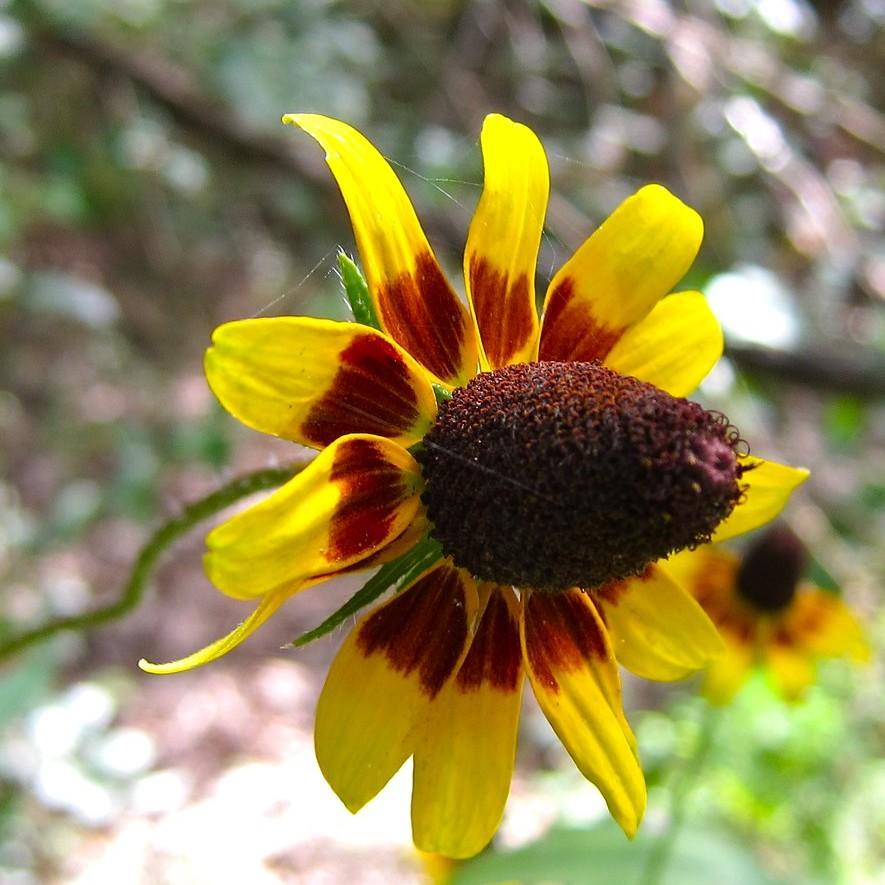
clasping coneflower
Dracopis amplexicaulis
Overview
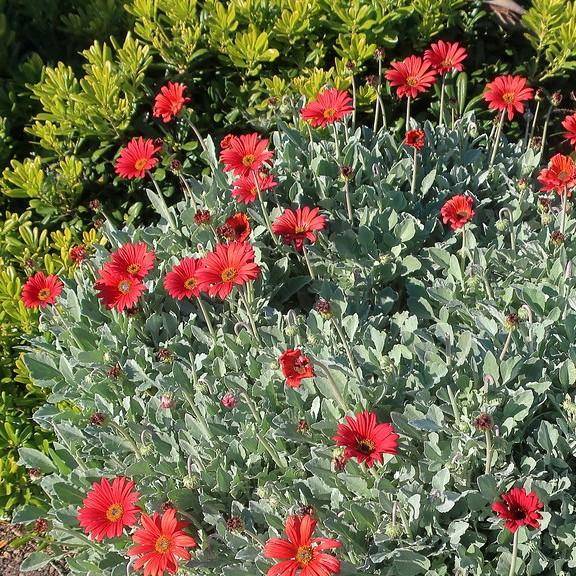
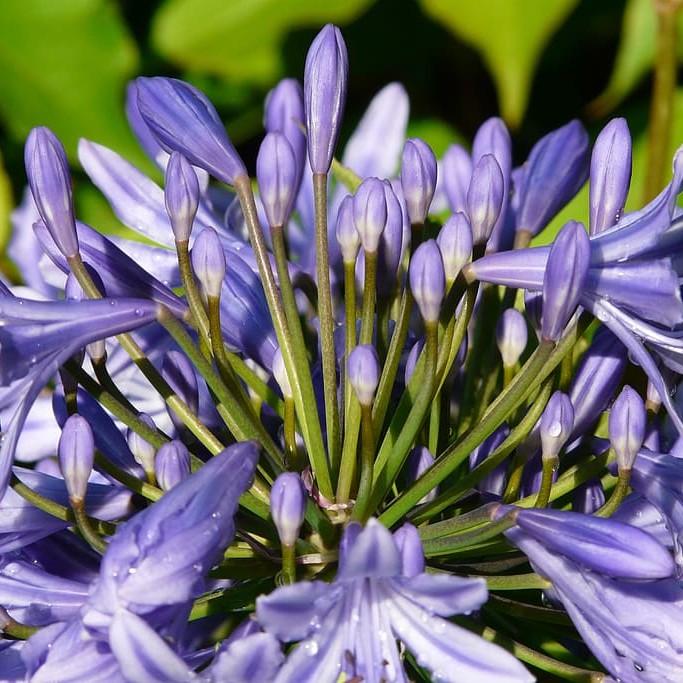
The clasping coneflower (Dracopis amplexicaulis) is a beautiful, drought-tolerant perennial which is native to North America. It is easily identified by its brilliant purple petal-like bracts that form the shape of a cone. Its whorled leaves provide the perfect frame to its charming displays during July to September. It is a great addition to a butterfly or bee garden, as its nectar-rich flowers attract numerous pollinators. Additionally, its profuse blooming adds great colour to any meadow or garden and will provide up to three months of enjoyment. Perfect for gardeners of all levels, the clasping coneflower is an amazing choice for any garden!
Care Guide
Watering
The clasping coneflower should be watered gently, roughly once-a-week depending on the season and your local climate. Ensure that the soil the plant is in remains consistently moist but not waterlogged. During warmer months when the plant is actively growing, increase watering frequency. During winter months, decrease watering frequency. If the soil begins to feel dry, it’s time to give the plant a drink.
Light
The clasping coneflower (Dracopis amplexicaulis) requires full sun in order to thrive. This means at least 6 hours of direct sunlight each day. This plant prefers direct morning sun as the afternoon sun can be too intense. Alternatively, the plant can be placed in a spot with light, dappled shade throughout the day.
Temperature
Hardiness zone 2-11.
Pruning
Pruning of the clasping coneflower (Dracopis amplexicaulis) is usually done in late winter or early spring, just before the plant starts to produce new growth. This is usually when the plant's growth rate begins to slow. Generally, the plant only needs to be pruned lightly every year, removing old and dead flower heads, thinning out some of the foliage and clipping any stems that have become leggy. This can help promote new growth and encourage bushier, healthier plants. Depending on the size of the plant, shearing can be done to maintain size and shape. However, take caution not to go too drastic with the pruning, as too much can damage the plant.
Propagation
Division, Root Cutting, Seed Propagation, Layering Propagation
Uses & Symbolism
Attracts: Butterflies.
Related plants
Other plants you might like if you grow clasping coneflower.