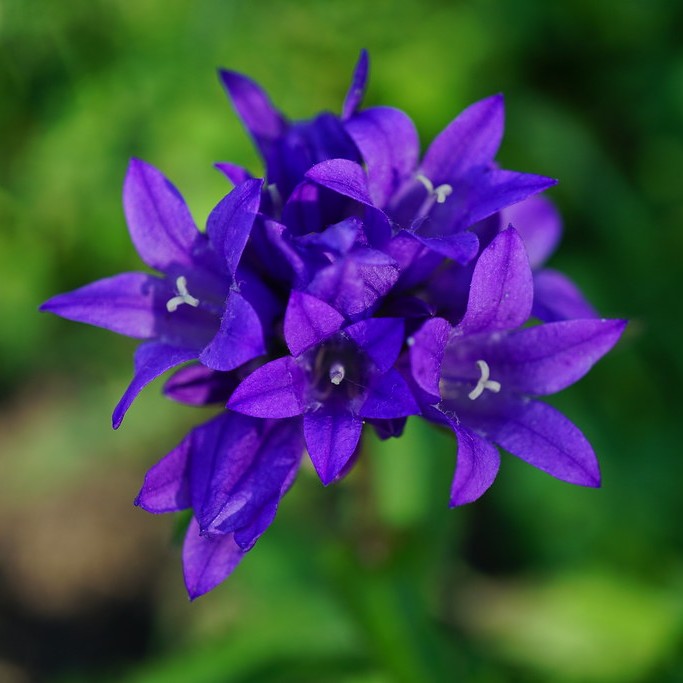
clustered bellflower
Campanula glomerata
Overview
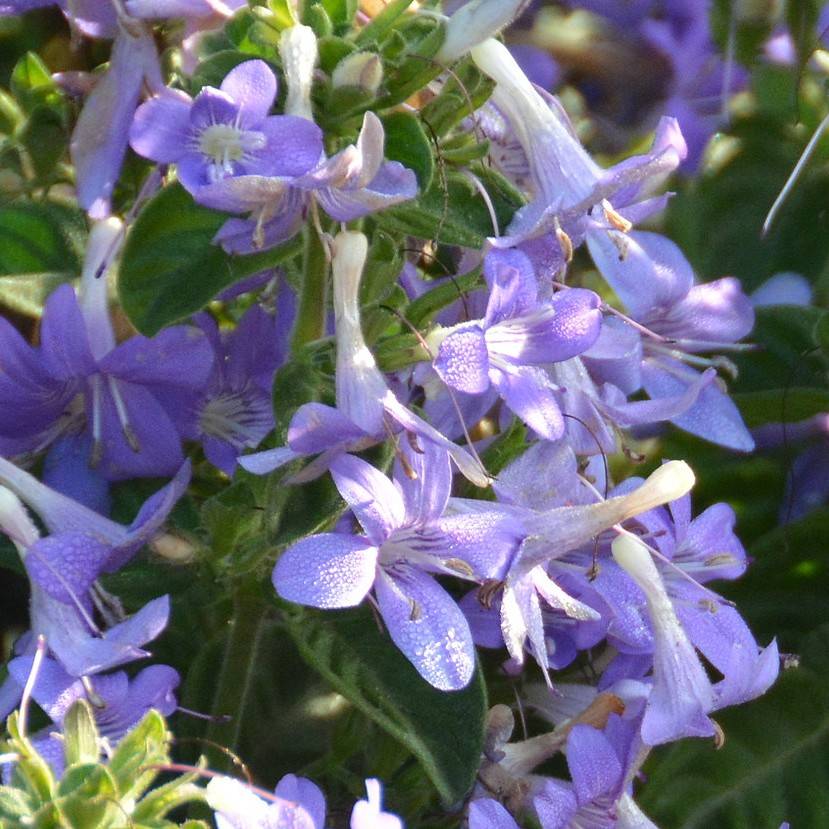
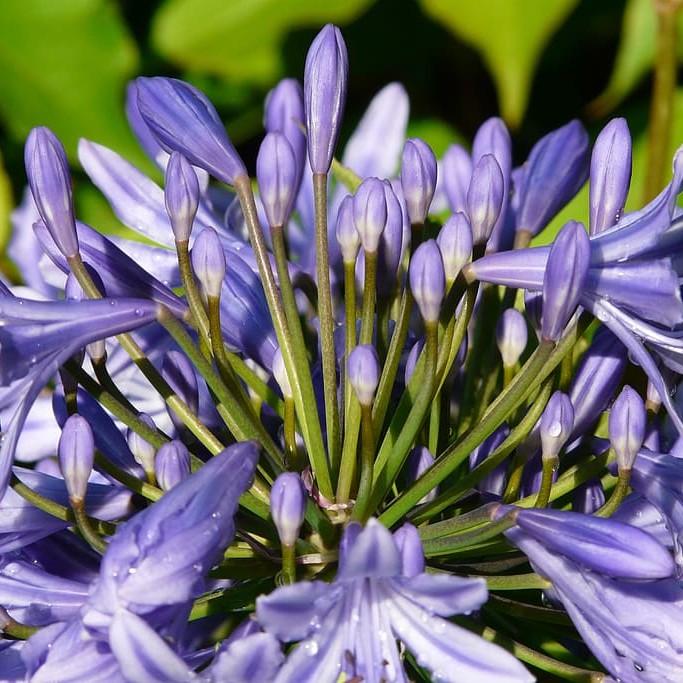
The clustered bellflower is a beautiful and unique plant species that deserves admiration. Its bell-shaped purple flowers will offer eye-catching beauty to any garden or landscape. This plant is great for bees and other pollinating insects and is a deciduous perennial with a long blooming season. It is hardy and capable of dealing with cold winters, requiring minimal maintenance. This species is a great choice for areas with poor soil as it is tolerant of both dry and moist conditions. A strong, graceful presence in the garden, the clustered bellflower is a great feature to any outdoor space.
Care Guide
Watering
Clustered bellflower needs to be watered approximately twice a week, depending on the weather. It prefers moist soil and needs to be watered deeply so that the moisture can reach its roots. During warmer, drier periods, more frequent watering may be needed. However, during cooler weather it’s important to reduce the amount of watering to avoid excessive moisture that can lead to rot. Additionally, it’s important to monitor the top layer of soil to ensure that it doesn’t dry out completely in between watering sessions.
Light
Clustered bellflowers are heliotropic plants, meaning they turn and bend towards the sun to maximize their ability to photosynthesize. To have thriving, healthy growth, they require at least 4 to 6 hours of direct sunlight every day. During the summer months when the sun is at its highest, the plants should receive 6 to 8 hours of indirect light to keep them blooming. It's important to keep in mind that too much light can cause the foliage of the clustered bellflower can become scorched or dry up. During the cooler winter months, the plant should receive no more than 4 hours of sunlight every day.
Temperature
Hardiness zone 3-8.
Pruning
This species of bellflower needs to be pruned back to the ground each year in late winter or early spring prior to the new growth period. Clustered bellflower typically forms a clump about 30 cm tall; leave any new growth at the base intact as the flowers will appear on the top of this basal growth. Cut the old stems down to the ground in 1 short, sharp motion. Remove any wilted or decaying foliage, as well as any dead basal growth. Prune any unruly shoots with hand clippers if needed.
Propagation
Division, Root Cutting, Seed Propagation, Layering Propagation
Uses & Symbolism
Attracts: Hummingbirds, Butterflies.
Diseases & Pests
Common pests: Deer resistant, Rabbit resistant.
Related plants
Other plants you might like if you grow clustered bellflower.