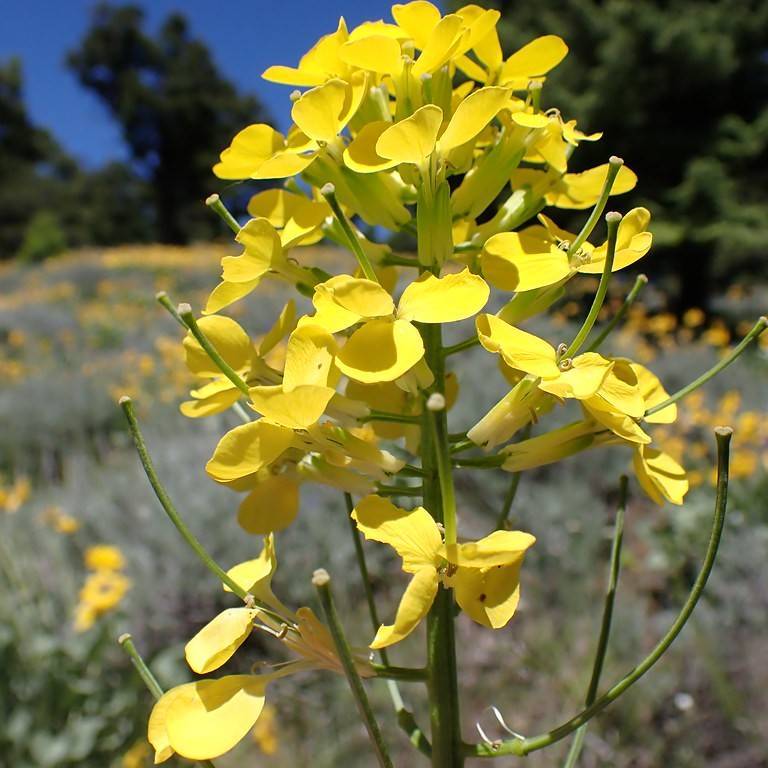
coastal wallflower
Erysimum capitatum
Overview
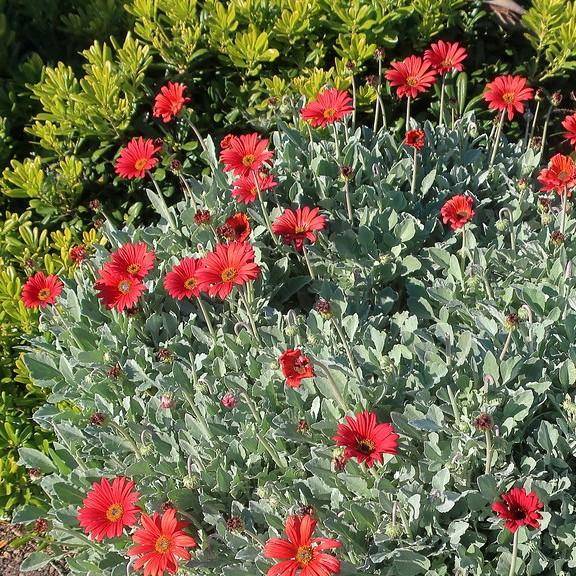
The Coastal Wallflower (Erysimum capitatum) is a breathtakingly beautiful plant species with eye-catching clusters of flowers which bloom in a variety of colors including deep purple, yellow, pink, and orange. This drought resistant species grows well in chaparral and coastal scrub climates and is tolerant to salt which makes it particularly useful for coastal landscaping. It is easy to care for and does not require intensive watering or maintenance allowing everyone to enjoy a colorful addition to their garden. As a bonus, the Coastal Wallflower is also known for its medicinal uses as an antiseptic and can be used as a pain reliever.
Care Guide
Watering
Coastal wallflower will need to be consistently watered to keep the soil moist. During active growth, water deeply as needed, allowing the soil to dry slightly between waterings. During the summer, this plant may require more frequent watering, about every 5 to 10 days. In the winter, when the plant is dormant, they will need to be watered much less, about every 3 to 4 weeks.
Light
Coastal wallflower, or Erysimum capitatum, does best when it is exposed to full sun. This sun-loving species prefers a minimum of 6 hours of sun per day for optimal growth. During the peak of summer, it may even need 8 hours of sun to stay healthy and remain in full flower. Ideally, the coastal wallflower will receive its daily onset of sunlight in the early morning, around 8am, and no later than 4pm in the afternoon. However, during the cooler months, this plant species has shown some tolerance for exposure to lower and indirect sunlight.
Temperature
Hardiness zone 3-7.
Pruning
Coastal wallflower can be pruned twice a year - once in spring and once in fall. Each time, cut back the plant by no more than 1/3 of its overall size. To ensure healthy growth, remove any dead or diseased stems. This should help promote the growth of flowering stems. For more severe pruning, you can wait until spring and cut back to 6 inches above the ground. If you are pruning for shape, it’s best to wait until the end of flowering and cut back the stems to shape. Pruning is typically done during the dormant period for the plant, which is late fall to early spring.
Propagation
Seed Propagation, Cutting, Division, Layering Propagation
Related plants
Other plants you might like if you grow coastal wallflower.