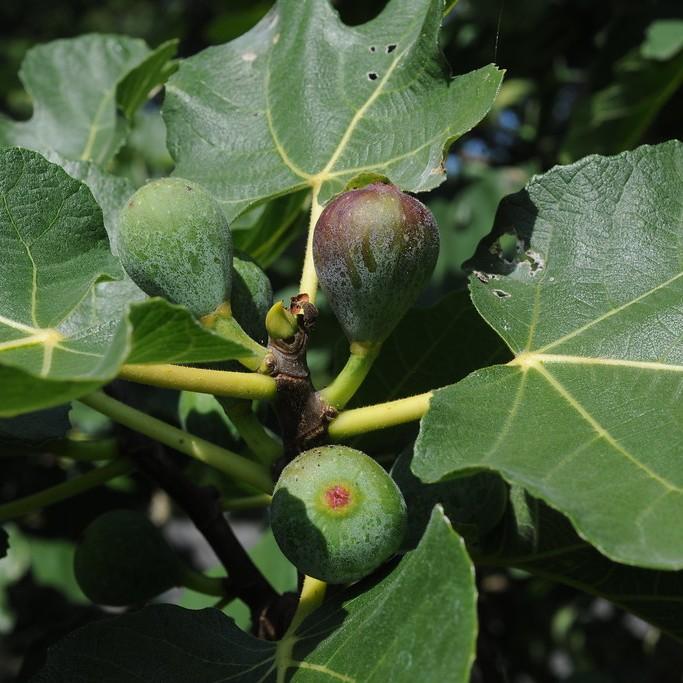
Common Fig
Ficus carica
Overview
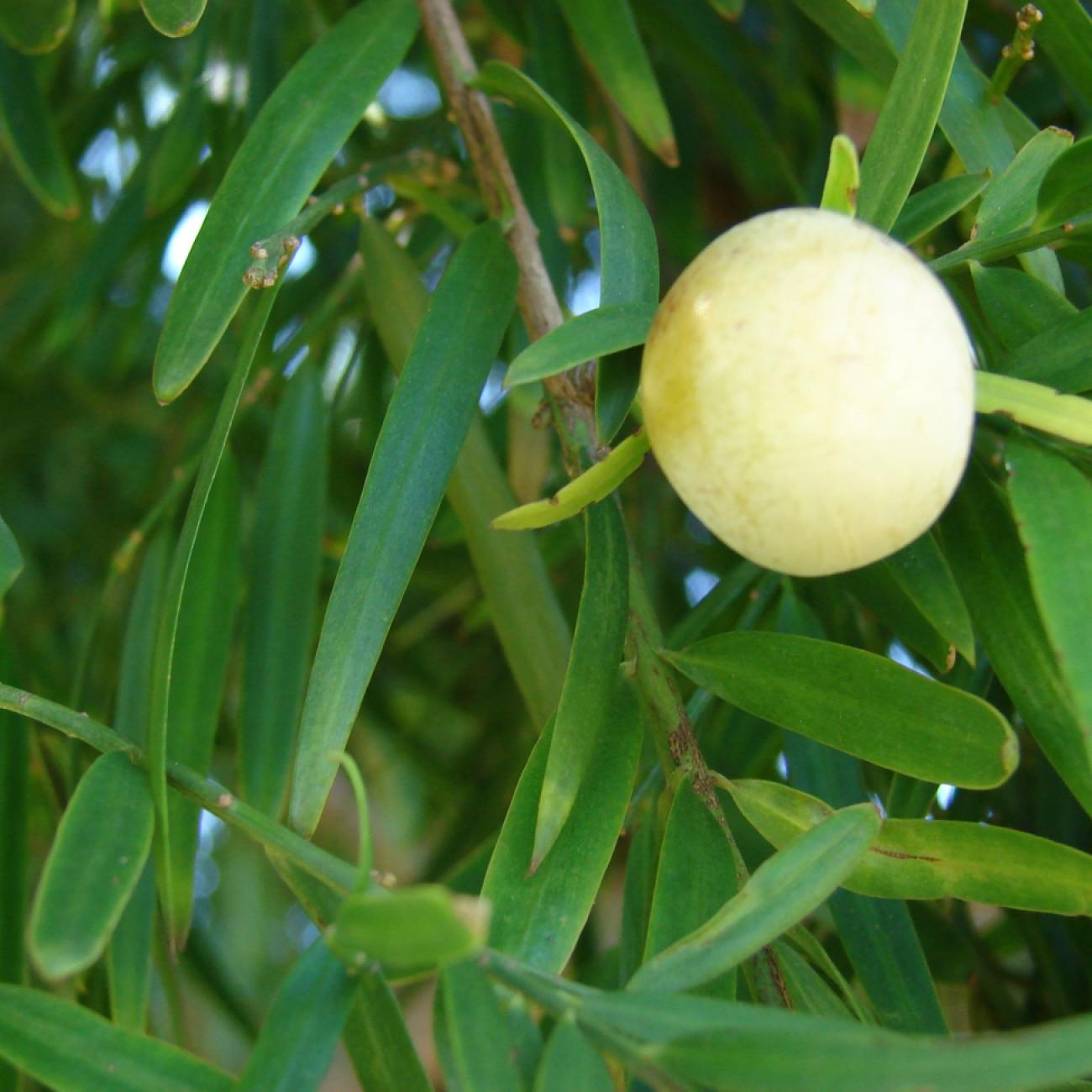
The Common Fig (Ficus carica) is a delightful addition to any home or garden. A hardy species, it will thrive in most climates and offers a continuous supply of delicious fruits throughout the year. The deep green foliage provides a beautiful backdrop for the glossy fruits, which can be picked from the tree when ripe and eaten either raw or cooked. Not only does the Common Fig produce a delicious fruit, but its hardy nature and ability to adapt to different climates makes it an amazing choice for many different growing environments.
Care Guide
Watering
Common Fig plants should be watered deeply and thoroughly when the soil becomes dry to the touch. Water the plant until the soil is saturated and then allow the soil to dry out before the next watering. Generally, you should water the plant about once every 2 weeks - more often in hotter months, and less often in cooler months.
Light
Common Fig trees need at least 8 hours of direct sunlight per day in order to maximize their growth and production. Sunlight also helps to keep the tree healthy and vigorous, stimulate flowering, and promote fruit development and quality. Full hot sun is best for fig trees, although they do need some protection from very hot afternoon sun. For optimal growth and production, the tree should receive sun during the morning hours, and afternoon shade during the hottest part of the day.
Soil
Well-drained
Temperature
Hardiness zone 7-7.
Pruning
Pruning for a Common Fig (Ficus carica) should be done twice a year; once in early spring before new growth begins and again in mid-summer after the new growth has matured. Pruning should focus on removing dead or diseased branches, thinning and shaping the canopy, and ensuring good airflow to reduce disease. The overall goal of pruning should be to create a balanced and open canopy. In the spring, remove any dead or diseased branches that have developed over the winter and remove any suckers and water sprouts. You may also need to thin out any overcrowded branches to produce a more open canopy. In the summer, thin out dense growth and cut back the tips of branches and shoots after the fig has finished fruiting. Dead, diseased, and excessively thin branches should be removed as well. Always use sharp and clean pruning tools to ensure clean cuts and do not worry too much about aesthetics, as figs are very forgiving plants.
Propagation
Air Layering Propagation, Cutting, Grafting Propagation, Division, Seed Propagation
Diseases & Pests
Common pests: Pest resistant, Disease resistant.
Related plants
Other plants you might like if you grow Common Fig.