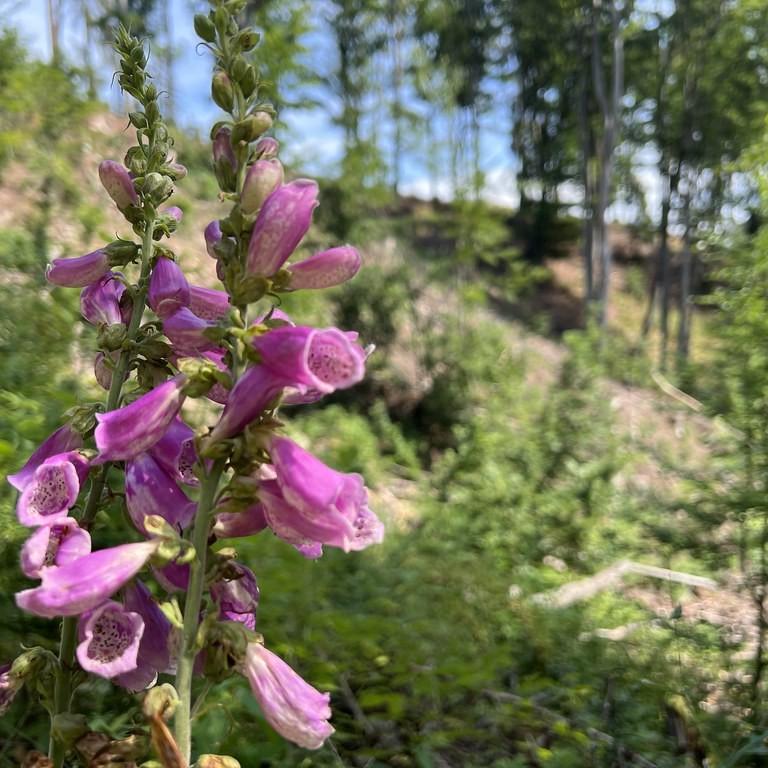
common foxglove
Digitalis purpurea
Overview
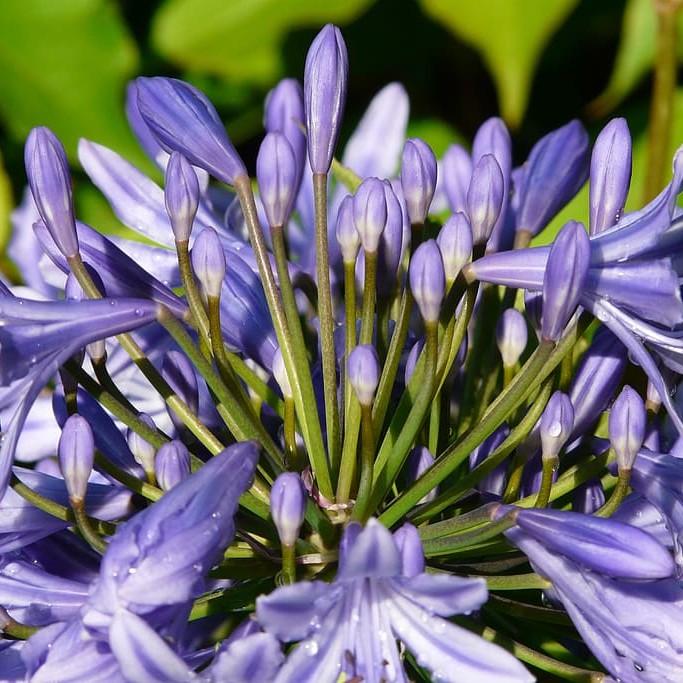
The Common Foxglove, or Digitalis purpurea, is a beautiful, bell-shaped flower with impressive heights of up to six feet. It blooms in a range of colors from dark purple to creamy white and offers a stunning, springtime display. Beyond its beauty, foxglove is a popular plant in herbal medicine, known for its healing properties. With proper caution and supervision, it may offer relief from various conditions from heart failure to tuberculosis. It is also pollinator-friendly, enjoyed by bees, hummingbirds, and butterflies. The Common Foxglove is an amazing plant, offering both beauty and medicinal benefits.
Care Guide
Watering
Common foxglove (Digitalis purpurea) prefers a moist environment and does best when the soil is kept evenly moist but not soggy. Water your plant during the growing season (April to September) 1-2 times per week to keep the soil moist, and reduce watering if there’s heavy rainfall. During the dormant season (October to March), water only once per month to keep the soil slightly moist. Keep in mind that this plant grows in partial to full shade, so too much direct exposure to sunlight can cause it to dry out too quickly. When the top inch of soil is dry to the touch, it’s time to water.
Light
As with most plants, common foxglove (Digitalis purpurea) prefers sunlight in order to thrive. This perennial species can tolerate full sun or partial shade, but some morning sunlight is ideal in order to help promote flowering. While 6-8 hours of sun is optimal, it is important to note that direct, mid-day sunlight may be too harsh and should be avoided. The timing and duration of sunlight depends upon the region in which the plant is grown and also on the time of year. During the summer months when the days are longer, a common foxglove may benefit from 8 hours of direct sunlight, while in winter, when the days are shorter, only a few hours of sun may be necessary.
Soil
Humus rich, Well-drained
Temperature
Hardiness zone 4-8.
Pruning
Common foxglove should be pruned shortly after flowering has completed, in late summer or early autumn. Use sharp pruners and cut the flowering stems back to a healthy set of leaves or buds that will allow the plant to regrow and produce new flowers the following year. Remove any dead, diseased, damaged or poorly placed stems to keep the plant's growth tidy. It is important not to over-prune, as this can severely reduce flowering. When possible, limit pruning to just the top third or half of each flowering stem.
Propagation
Seed Propagation
Uses & Symbolism
Attracts: Hummingbirds.
Diseases & Pests
Common pests: Deer resistant, Rabbit resistant, Drought resistant.
Related plants
Other plants you might like if you grow common foxglove.