Common Persimmon
Diospyros virginiana
Overview
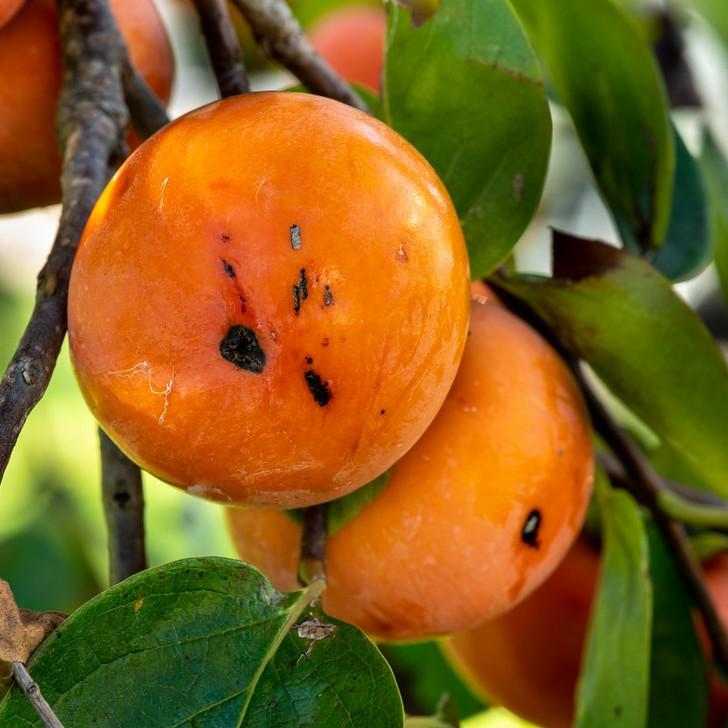
Common Persimmon (Diospyros virginiana) is an amazing species of deciduous tree. It has a lot to offer with its outstanding fall foliage, producing beautiful white blooms and clusters of orange fruit. The fruits are edible and can be eaten raw or cooked in a variety of delicious dishes. It's also a great choice for gardeners, providing an interesting and unique look to gardens with its bright green leaves, shiny bark, and small, deep burgundy-black fruits. Common Persimmon is a great and easy to take care of tree that can bring visual interest and delicious fruits to a landscape.
Care Guide
Watering
Common Persimmon plants require 1-2 inches of water per week when the top 2 inches of soil is dry. For best growth, water the entire root zone, not just the base of the plant. Drip irrigation is the best way to apply water to your Persimmon. The soil should be allowed to dry out slightly between each watering. Established Persimmon trees generally need less water as time progresses.
Light
Common Persimmon prefers full sun, which is defined as 6 or more hours of direct sunlight per day. If it receives less than 6 hours of sunlight per day, it may become thin and spindly. If placed in heavy shade, the plants will produce fewer flowers and fruits. If you can provide 6 to 8 hours of direct sunlight per day, your Common Persimmon should thrive.
Temperature
Hardiness zone 4-4.
Pruning
Pruning of Diospyros virginiana (common persimmon) should be done in late winter prior to bud break. This can be done with either hand pruners or a pruning saw. Pruning should be done minimally and judiciously, as removing too much material without proper timing can result in reduced fruit. Generally, removing dead, diseased, and damaged wood before the growth season is a good place to start. Thin out some of the dense interior growth to allow for better air circulation.
Propagation
Grafting Propagation, Cutting, Air Layering Propagation, Seed Propagation
Related plants
Other plants you might like if you grow Common Persimmon.