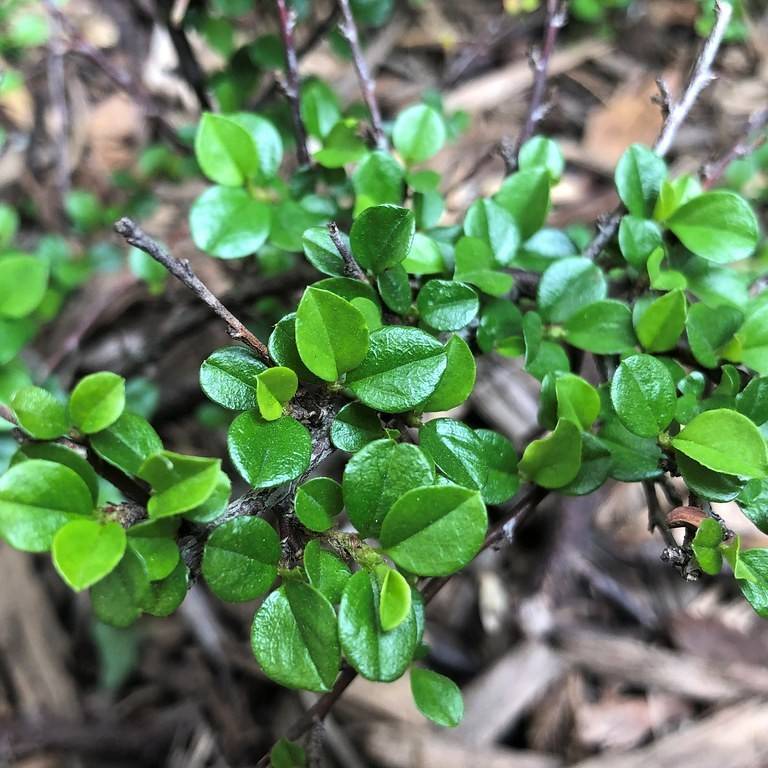
cotoneaster
Cotoneaster acutifolius
Overview
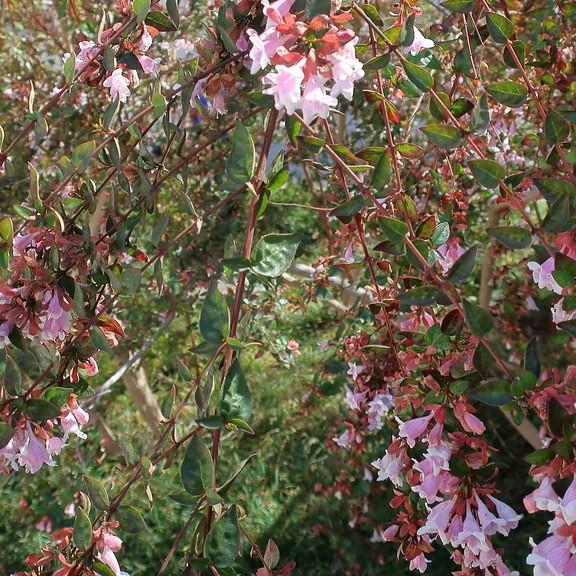
Cotoneaster acutifolius is an evergreen shrub with a spectacular display of not only foliage, but plenty of flowers and bright red berries in the summer months. It has a wide range of uses from specimen plants to evergreen groupings. Its low, spreading habit, glossy foliage, and fragrant white flowers make it a garden favorite. The low-spreading shrub is also extremely versatile, performing well in edging or in foundation plantings. Its ornamental bark and bright berries provide winter interest, while its drought-tolerance make it an ideal choice in rock gardens. With its attractive, easy-care features, Cotoneaster acutifolius is truly an amazing plant species.
Care Guide
Watering
Cotoneaster acutifolius should be watered regularly throughout its growing season, which is typically from mid-spring until early fall. In the hotter months, the plant should be watered deeply once a week. During cooler months, water once every week until the top couple inches of soil are actually moist. When the weather is extremely hot, you may need to water every 3 to 5 days. You should not allow the soil to dry out completely between waterings. During the winter months, cotoneaster acutifolius should be watered less frequently, allowing the soil to dry out between watering.
Light
Cotoneaster acutifolius is a flowering plant species that requires a moderate to full sun exposure in order to thrive. It should receive around 4 to 6 hours of direct sunlight each day.In the winter when hours of sunlight are reduced, some shade during mid-day may be beneficial for best bloom production. This plant species is able to tolerate shade to a certain degree, but will generally not flower or produce fruit in too much shade. Ideal locations for this plant are on a patio, somewhere with lots of light, or in a sunny, sheltered spot in the garden.
Soil
Well-drained
Temperature
Hardiness zone 4-7.
Pruning
Cotoneaster (Cotoneaster acutifolius) should typically be pruned in late winter or early spring. Pruning should be done to remove dead, damaged or diseased branches, to improve structure, and to manage size. It is also important to thin the shrub to allow for better air circulation and light penetration. It may be necessary to reduce or lop the top of the shrub to manage its size. A light pruning may also be needed in the summer to help maintain a neat appearance. In general, pruning of cotoneaster should be done sparingly and only when necessary.
Propagation
Seed Propagation, Stem Propagation
Diseases & Pests
Common pests: Deer resistant, Rabbit resistant, Drought resistant.
Related plants
Other plants you might like if you grow cotoneaster.