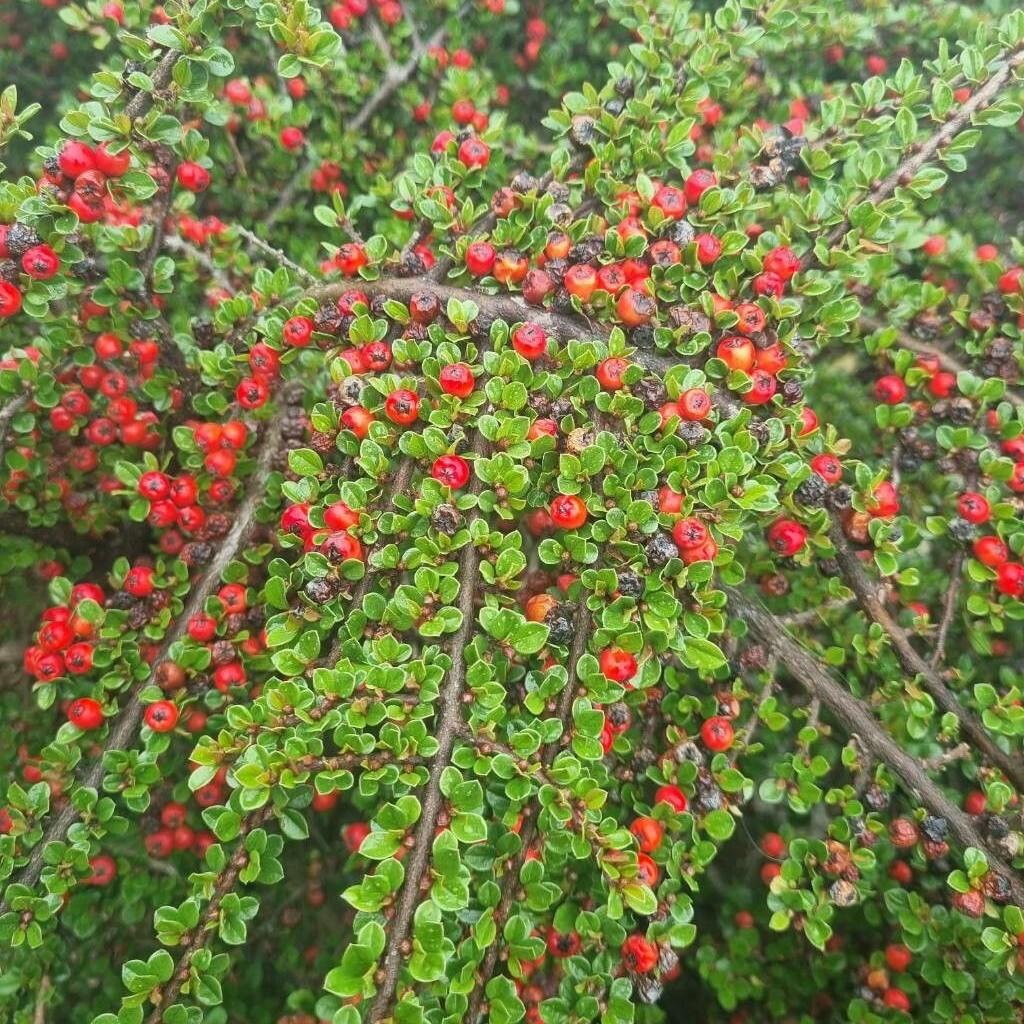
creeping cotoneaster
Cotoneaster nanshan
Overview
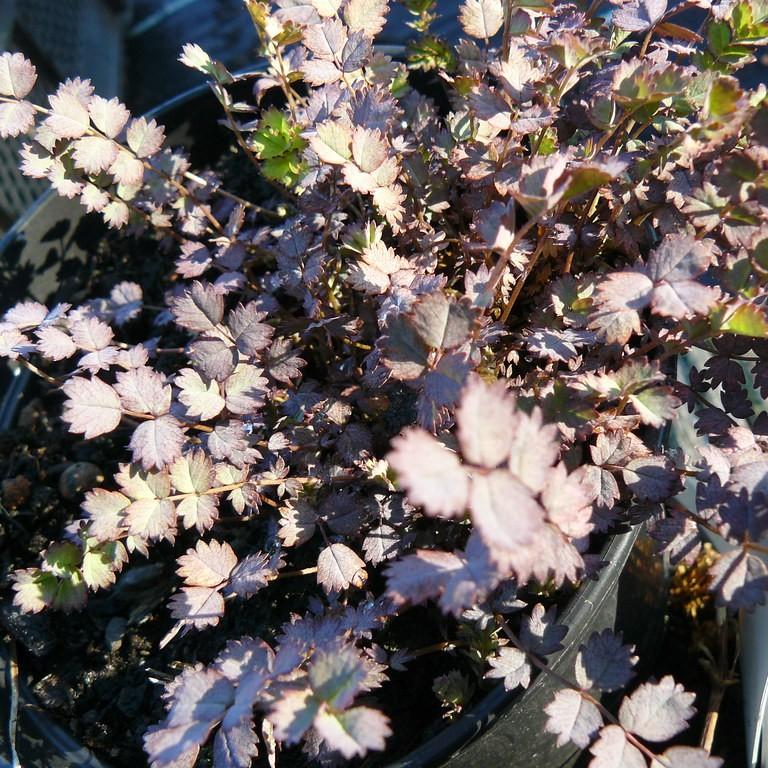
Creeping cotoneaster is an amazing plant species native to East Asia. It features evergreen foliage all year round and copious white and pink flowers during mid-summer. Its semi-evergreen foliage will keep your garden looking vibrant and spectacular throughout the year despite the winter weather. During its peak season, its flat red fruit provide a burst of colour and attract birds, and the glossy dark green leaves provide a beautiful contrast to the red of the berries. This plant can grow in both sun and shade, and does best in moist, well-drained soil. Creeping cotoneaster is an extremely hardy species that will provide your garden with an added dimension of beauty and life.
Care Guide
Watering
Creeping cotoneaster needs moderate but consistent watering; water once or twice a week (about 1 to 2 inches each time) in the morning during spring and summer, and once or twice per month in autumn and winter. Check to make sure the soil has good drainage (water will seep out of the pot when the soil is sufficiently wet). Allow the top 2 inches of soil to become dry in between watering sessions. Additionally, during summer months, spray the growing area or foliage lightly, as additional humidity can be beneficial for this plant species.
Light
Creeping cotoneaster can tolerate a range of sunlight conditions. For best growth, however, it should be grown in full sunlight or partial shade for most of the day. If grown in full sunlight, the plant will produce more flowers and fruits but may require more frequent watering. When grown in partial shade, the plant will be less likely to require as much water, but may not produce as many flowers or fruits. As with most plants, creeping cotoneaster will benefit from plenty of direct sunlight for at least 6 hours per day.
Temperature
Hardiness zone 4-7.
Pruning
Creeping cotoneaster (Cotoneaster nanshan) should be pruned in late winter or early spring. Pruning should consist of removing dead, dying, or diseased wood. Also, take out branches that are crossing over each other, are too close together, or are growing toward the center of the plant. Pruning should be light, no more than 1/3 of the overall plant mass should be removed in a single pruning session. If some vigorous or unwanted growth has occurred, up to a 2/3 pruning may be needed. Finally, thinning out growth will also help to keep the plant healthy and promote new growth.
Propagation
Layering Propagation, Cutting, Division, Grafting Propagation, Seed Propagation
Uses & Symbolism
Attracts: Birds.
Related plants
Other plants you might like if you grow creeping cotoneaster.