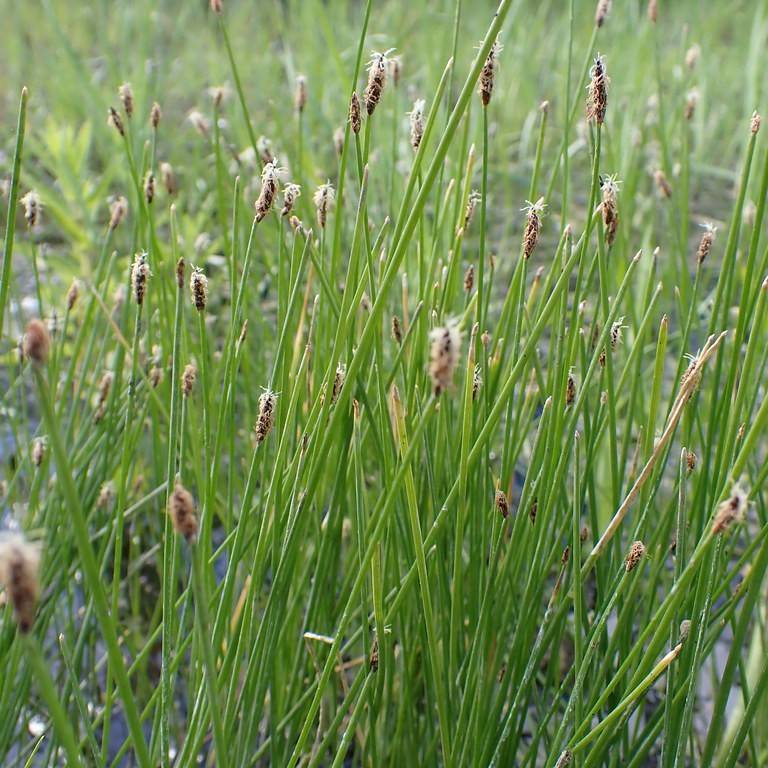
creeping spike rush
Eleocharis palustris
Overview
Creeping spike rush (Eleocharis palustris) is an amazing plant species which can be found in various wetland habitats. It has slender, greenish-brown stems that creep along the ground and can reach heights of up to 3 feet tall. Its small white flowers blossom in the summer months, producing inconspicuous fruits which contain a wealth of hidden seeds. As a floating aquatic plant, it helps to clean the water, and also provides food and shelter to many aquatic creatures, such as fish and insects. With its ability to withstand harsh conditions, this hardy plant offers year-round beauty and is an ideal botanical choice to bring life to any water garden.
Care Guide
Watering
Water creeping spike rush deeply and regularly. During its growing season, water it 1 to 2 times a week, giving it 1 to 2 inches of water each time. In hotter climates, water should be increased to 3 times a week in the summer months. In winter months, when the plant goes dormant, water it only once a month. Ensure that the soil is always moist but not waterlogged.
Light
Creeping Spike Rush (Eleocharis palustris) grows best in full sun to light shade. It needs at least 4-6 hours of direct sunlight per day to thrive. The best time of day for sunlight is the mid- to late morning, because this is when the sun is most intense.
Temperature
Hardiness zone 3-8.
Pruning
For best growth, Eleocharis palustris should be pruned annually in early to mid-spring. Pruning should remove all dead foliage and any dieback from the winter season. Trimming the stems will help promote bushiness and new growth, however, it is not necessary to remove much of the foliage for a creeping spike rush. If the plant is becoming too bushy, any weak branches or excess foliage can be cut back. As this species is known to spread rapidly, it is a good idea to cut back the stems close to the ground to encourage more stems to grow in the same spot. Additionally, removing flower heads will prevent the rush from going to seed and taking over the area. Taking care not to damage any of the new shoots when pruning, snip several centimeters back from the new growth. Trimming can be done with hand pruners or even shears.
Propagation
Division, Seed Propagation, Cutting, Layering Propagation
Related plants
Other plants you might like if you grow creeping spike rush.