Cumberland rosemary
Conradina verticillata
Overview
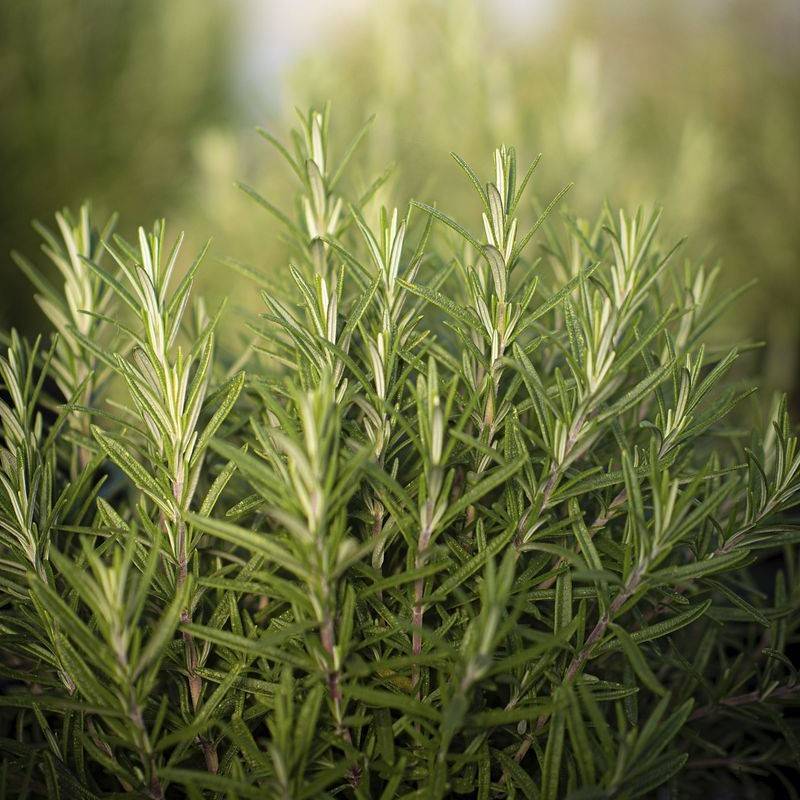
The Cumberland rosemary (Conradina verticillata) is a truly amazing plant. Native to North America, this evergreen shrub is drought tolerant, making it perfect for growing in hot, dry climates. Its small, fragrant, blue-gray foliage and blush-pink flowers offer color all year round. It's easy to care for and demands little attention, making it ideal for both experienced and novice gardeners. The Cumberland rosemary has a winding shrub form, making it perfect for a variety of garden settings, from informal flower beds to terraced walls and borders. It's perfect for attracting butterflies and other pollinators into the garden, as well as providing year-round interest - a great addition to any garden!
Care Guide
Watering
For Cumberland Rosemary, watering should be done as needed depending on the environment in which it is planted. Water the plant deeply once or twice a week, making sure to completely moisten the soil and to water the root zone thoroughly. During dry periods, additional watering may be needed to help keep soil moist. Be careful not to over-water, as this may cause root rot and other issues. Monitor the soil moisture level by feeling the soil, and water when the top inch or 2 of soil feels dry.
Light
Cumberland rosemary, a perennial native to the southeastern United States, prefers full sun. It needs at least 6 to 8 hours of direct sunlight each day for optimum health. It grows best in well-draining soils and can tolerate moderate drought conditions, making it a great choice for dry climates. In the hottest parts of the year, partial shade can be beneficial to protect the plant from the extreme heat. However, it should still receive some direct sunlight during the cooler months to support healthy growth and flowering.
Temperature
Hardiness zone 6-8.
Pruning
Cumberland rosemary (Conradina verticillata) is best pruned during the early spring season. Pruning should be done with caution and only when necessary, as this plant has a tendency to become over-pruned. Prune only dead, damaged, or encroaching stems to maintain the shape of the plant. Prune only a small amount at any 1 time, as the plant is slow growing.
Propagation
Cutting, Layering Propagation, Division, Seed Propagation, Grafting Propagation
Related plants
Other plants you might like if you grow Cumberland rosemary.