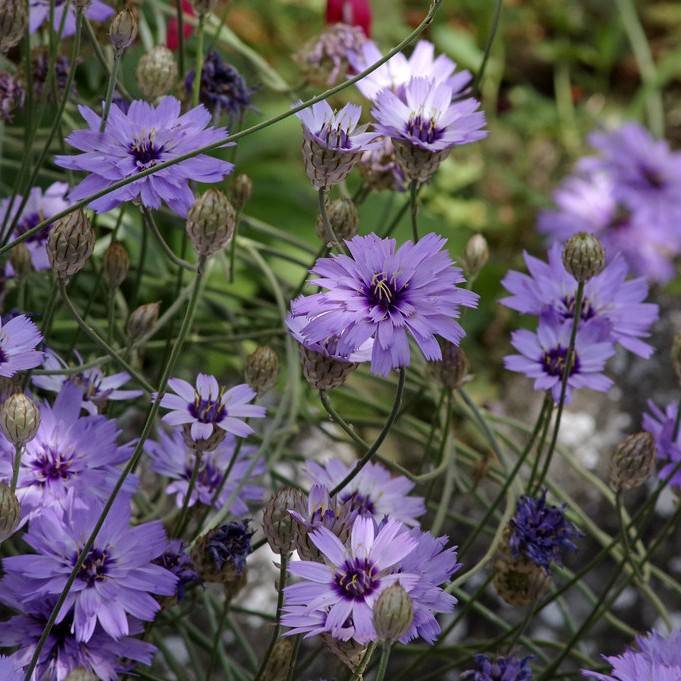
cupid's dart
Catananche caerulea
Overview
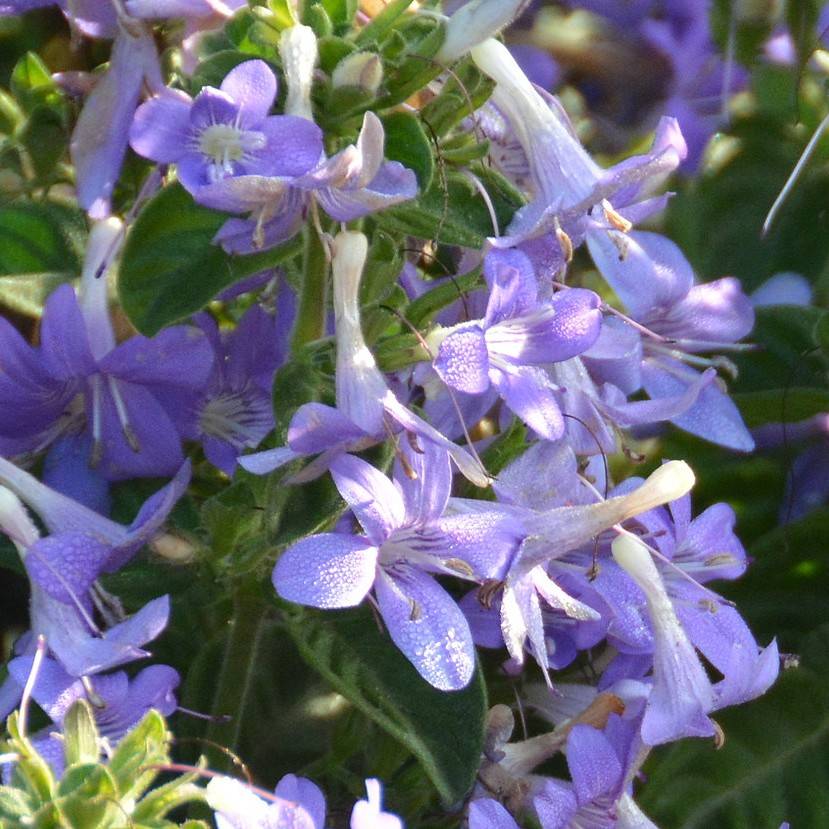
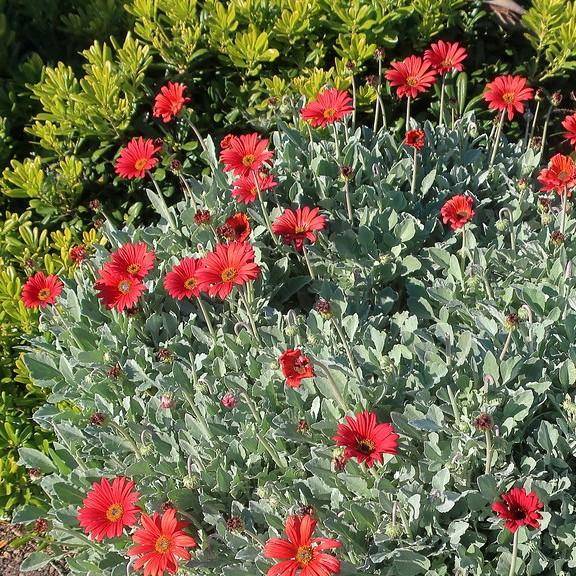
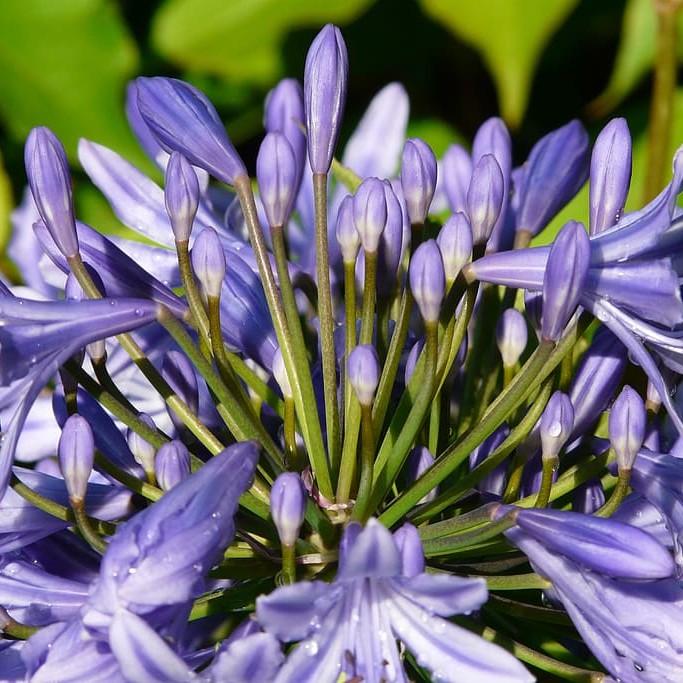
Cupid's Dart is a stunning and vibrant flowering plant that is native to Europe and parts of North African. It has blue or purple flowers that are star-shaped and have white or yellow centers. The plant blooms from May to August, bringing bright colors to otherwise dry areas. Cupid's Dart is a hardy and low maintenance plant that is easy to propagate, making it a great starter plant for beginner gardeners. Its spectacular color makes it an attractive addition to flower beds and borders, while providing a pleasing aroma to passerbys. Its ability to tolerate drought and thrive in both sun and shade make it versatile, and it is low enough to used for ground cover. Cupid's Dart is an amazing plant that will make your garden stand out!
Care Guide
Watering
Cupid's dart (Catananche caerulea) should be watered on a regular basis. Soil should be kept lightly moist and never allowed to dry out completely. Water thoroughly, once a week or as needed, allowing the excess water to drain away. This species does not tolerate water-logged soil, so it's important not to over-water the plant. Water at the base of the plant with a watering can or garden hose. Draining away excess water quickly will also help prevent root rot.
Light
Cupid's dart (Catananche caerulea) prefers full sun for optimal flowering and growth. The sun should be direct for the best blooms, so placing this plant somewhere it will receive 2-4 hours of direct sunlight each day is ideal. In certain climates, where temperatures can be very warm, this plant should be grown in a spot with some afternoon shade.
Temperature
Hardiness zone 4-7.
Pruning
Cupid's dart (Catananche caerulea) should be pruned during its dormant season in late winter/early spring. It's best to lightly trim back the plant to remove any dead or damaged stems. Remove the top 1/3 of each stem with sharp, clean pruning shears. This will help keep the plant looking neat and tidy while encouraging new growth. Once the flowering season has passed, prune off any dead flowers to prevent seeds from forming. Doing this will help keep the plant blooming more profusely the following season.
Propagation
Division, Seed Propagation, Cutting, Layering Propagation
Uses & Symbolism
Attracts: Butterflies.
Related plants
Other plants you might like if you grow cupid's dart.