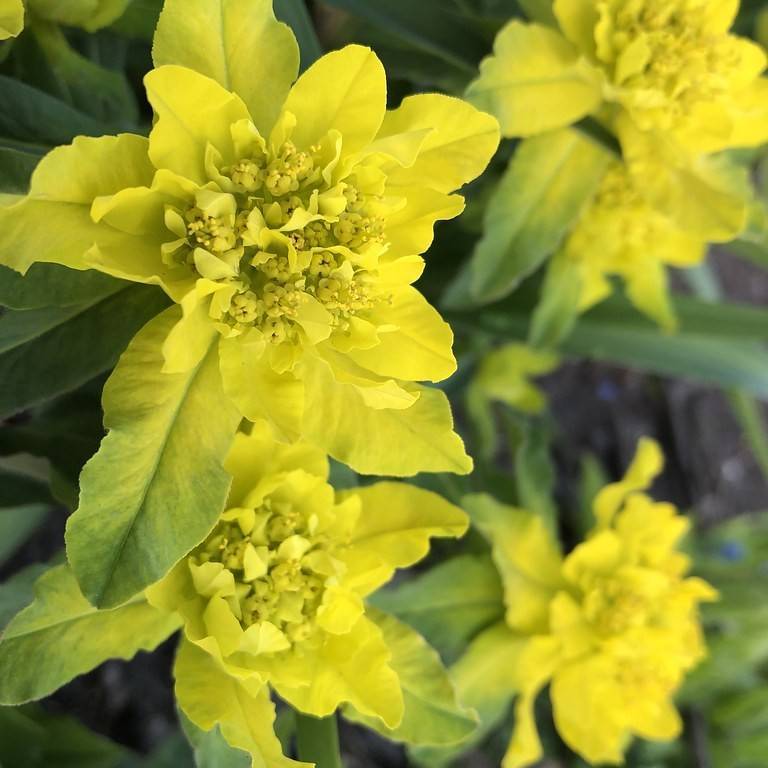
cushion spurge
Euphorbia epithymoides 'Bonfire'
Overview
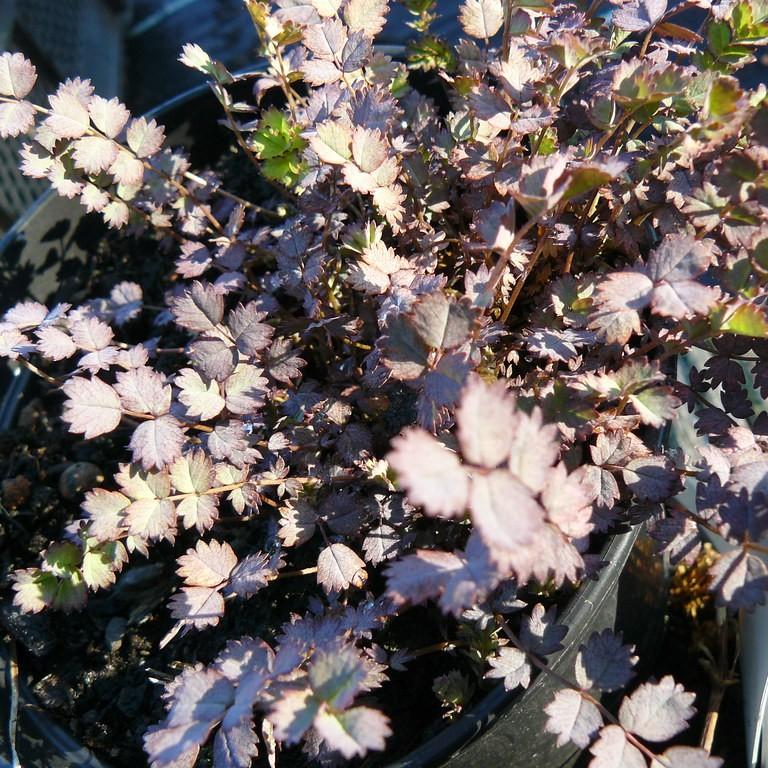
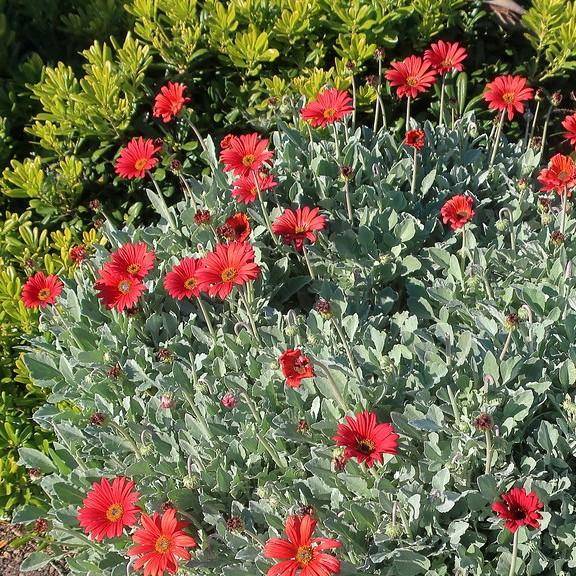
The cushion spurge (Euphorbia epithymoides 'Bonfire') is an amazing plant that's native to Central and Eastern Europe. It's adored for its outstanding reddish-orange foliage that persists throughout the year and its bright clusters of yellow flowers that bloom in spring and summer. It's also quite easy to care for and incredibly tolerant of various environments, making it a popular choice for gardens of all sizes. Its subtle, cushion-like shape is a unique feature, and its low-growing habit makes it perfect for smaller spaces or to use as a groundcover. Along with its vibrant colors, the cushion spurge 'Bonfire' is a captivating plant that is sure to add life and interest to any outdoor area.
Care Guide
Watering
Cushion spurge (Euphorbia epithymoides 'Bonfire') requires regular watering for optimal growth. It should be watered deeply and thoroughly about once a week, allowing the soil to dry out slightly between watering sessions. Water the base of the plant and make sure you avoid getting the foliage wet. During periods of extreme heat, this plant may need to be watered more frequently, but avoid over-watering at all costs. Additionally, you can mulch the soil surface to help the soil retain moisture.
Light
Cushion spurge (Euphorbia epithymoides 'Bonfire') should receive full sun to partial shade, ideally 6-8 hours of direct sunlight daily. When grown in a sunny spot, the foliage color will be more intense. However, too much sun can cause foliage to scorch, so some shading may be necessary in hot summer climates.
Temperature
Hardiness zone 4-8.
Pruning
Cushion Spurge (Euphorbia epithymoides 'Bonfire') should be pruned twice during its growing season, once in early spring and again in late summer. Pruning in the early spring should be done after the plant has finished blooming. During this time, the shrub should be pruned back by about 1-third of its height to encourage new, healthy growth and blooming for the upcoming season. Pruning in late summer should involve cutting back any dead or diseased stems, as well as any stems that are too tall or have become overcrowded. This will keep the shrub looking healthy and will promote additional bloom later in the season.
Propagation
Division, Cutting, Seed Propagation, Layering Propagation
Related plants
Other plants you might like if you grow cushion spurge.