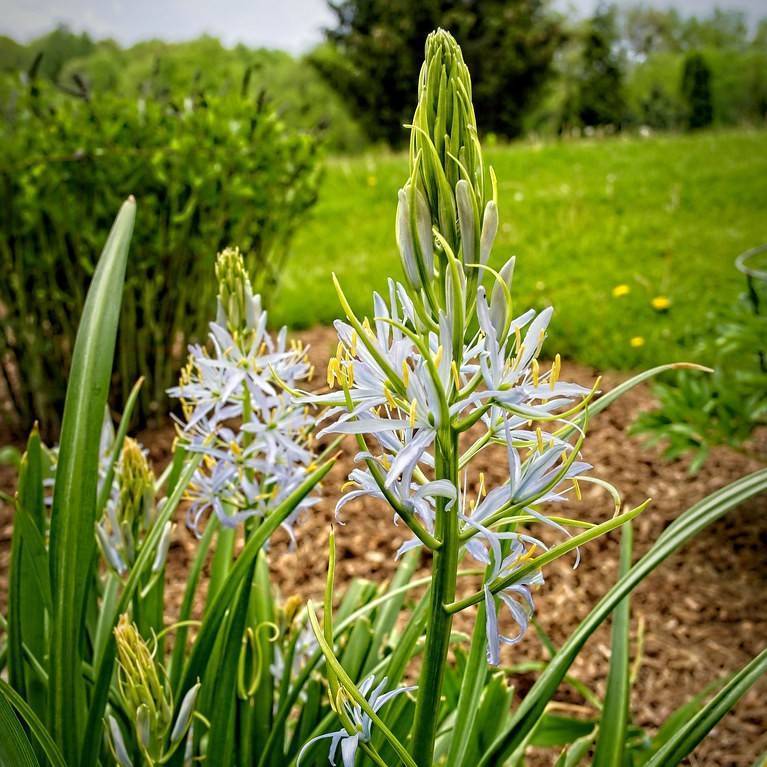
Cusick's camass
Camassia cusickii
Overview
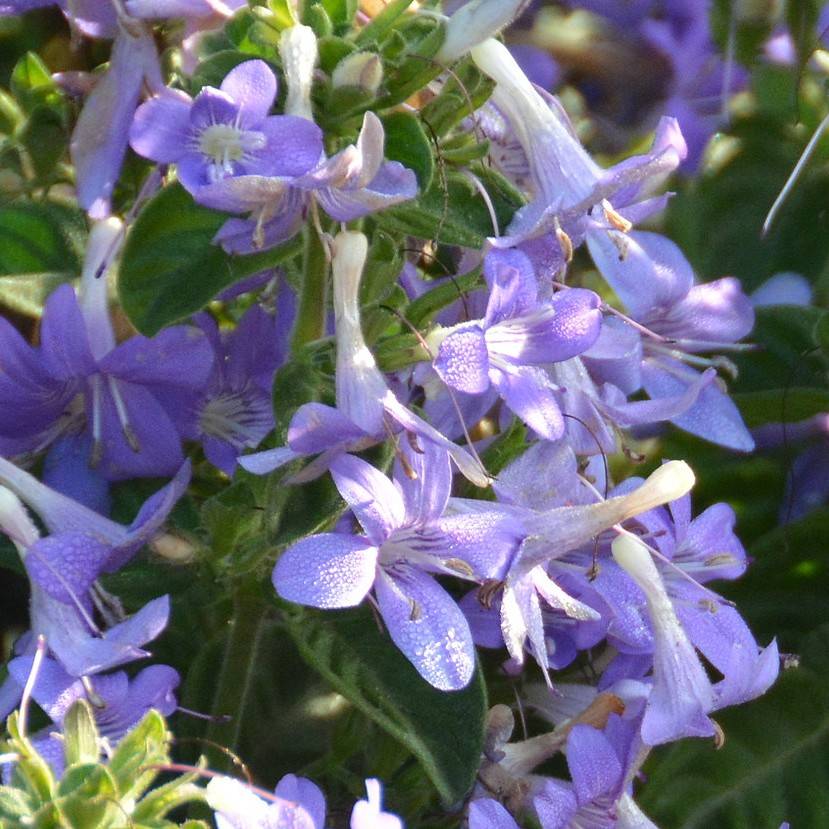
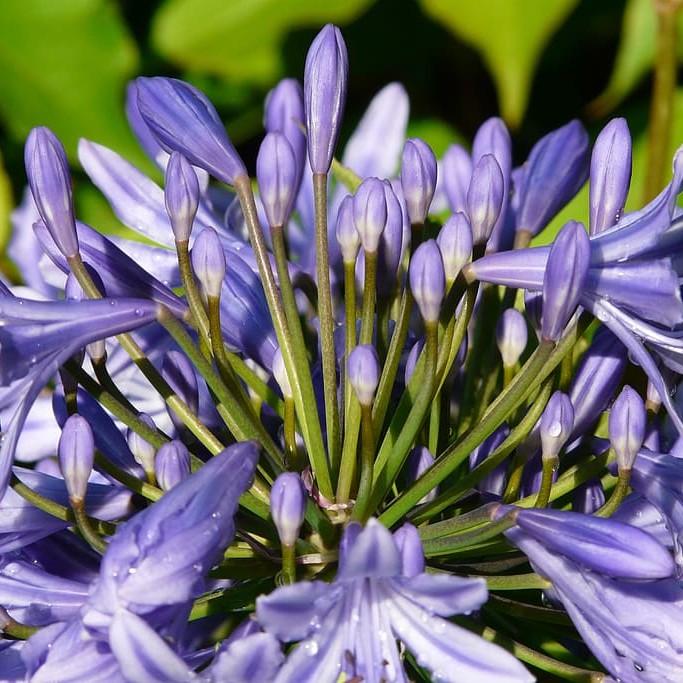
Cusick’s camass (Camassia cusickii) is an amazing species of flowering plant native to the northwestern United States. It blooms with attractive lavender-blue flowers that continue for several weeks throughout the summer months. It is incredibly easy to grow and can be propagated from both seed as well as by division. The attractive foliage provides an important food source for a variety of birds and animals, while the flowers attract butterflies, bees, and other beneficial insects. Its drought and heat-tolerant form ensures that it will thrive in most gardens with minimal care. Cusick’s camass makes a wonderful addition to any garden and is sure to bring tons of color and life.
Care Guide
Watering
Cusick's camass should be watered regularly throughout its growing season, from spring until autumn. Water the plant deeply once weekly to a depth of 6 to 12 inches, soaking the entire root zone. Watering more frequently may be necessary during periods of extended heat and drought. In winter, water is needed only sporadically during dry periods.
Light
Cusick's camass (Camassia cusickii) grows best in areas with plenty of sunlight. The species thrives in full sun, meaning it should receive 6 or more hours of direct light each day. They can also tolerate some light shade, but the leaves tend to bleach in too much shade. Planting in a sunny, open site will give the best blooms and promote the fastest growth. Water regularly during dry spells, but Camassia cusickii is considered drought tolerant and will require light irrigation through most seasons.
Temperature
Hardiness zone 3-8.
Pruning
Cusick's camass (Camassia cusickii) should only be lightly pruned when necessary to remove overgrown foliage and dead stems. Prune in early spring before the plant begins to grow and bloom. Late summer and early fall pruning can also be done to remove unwanted seedheads or dead foliage. Use sharp pruners to cut the stems close to the base. Avoid pruning when the plant is in bloom as it will reduce the number of flowers.
Propagation
Division, Seed Propagation, Offsets, Cormlet Propagation
Related plants
Other plants you might like if you grow Cusick's camass.