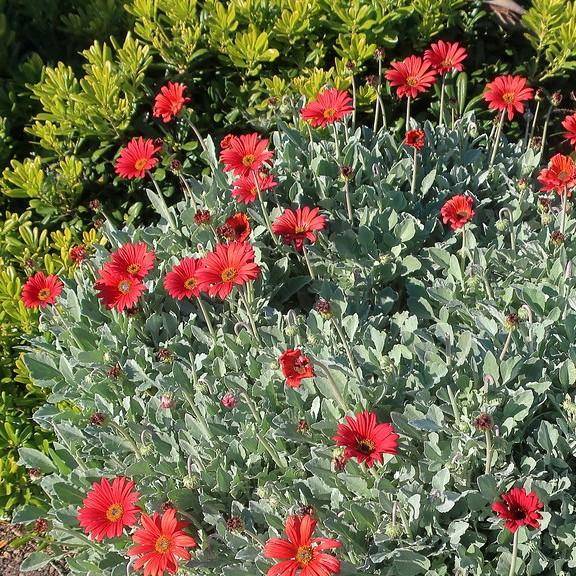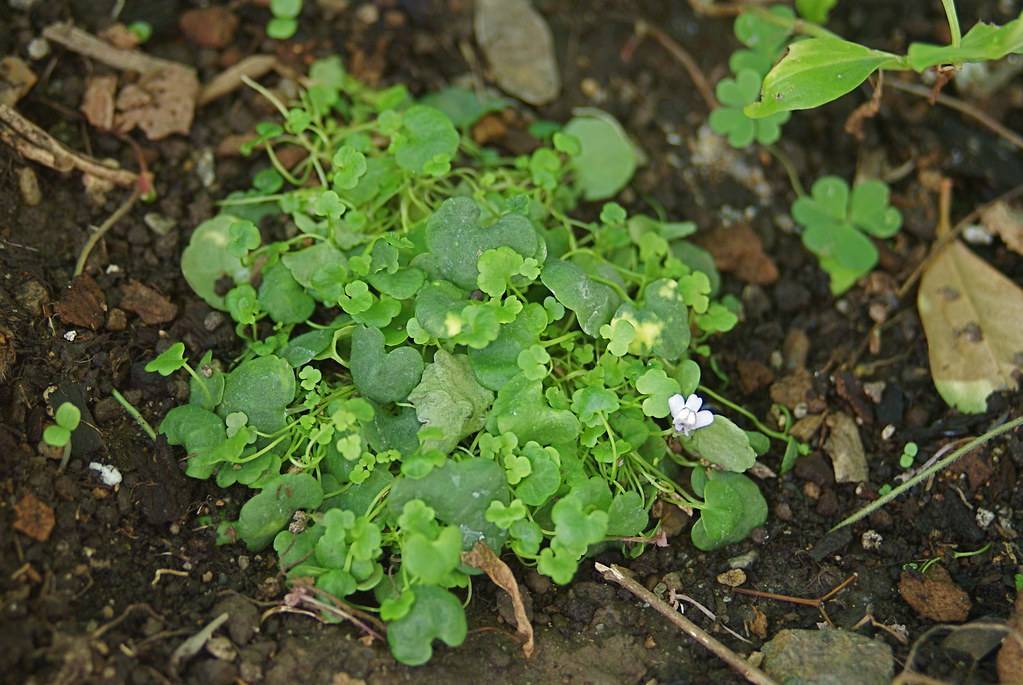
cymbalaria
Cymbalaria aequitriloba
Overview
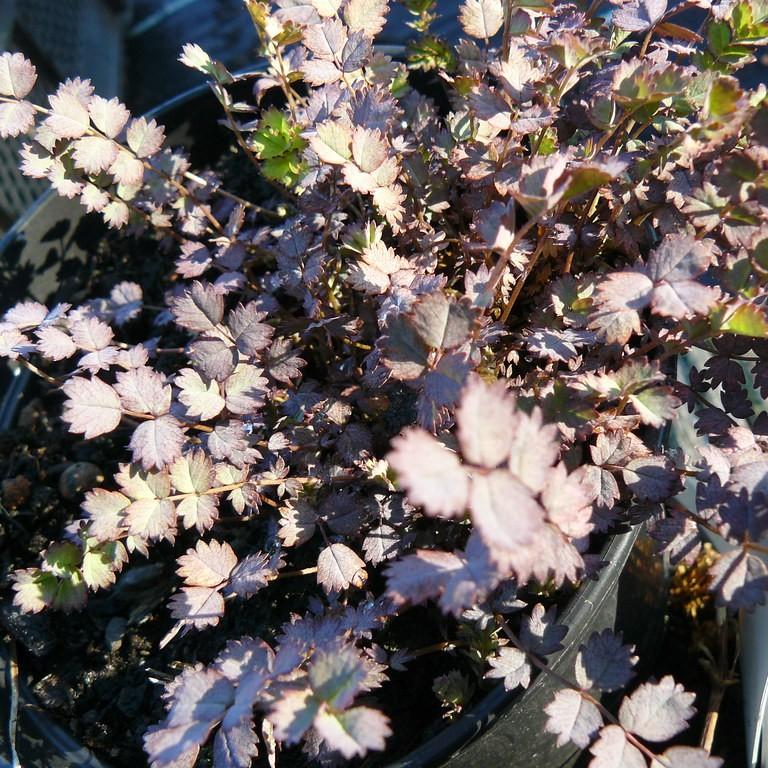
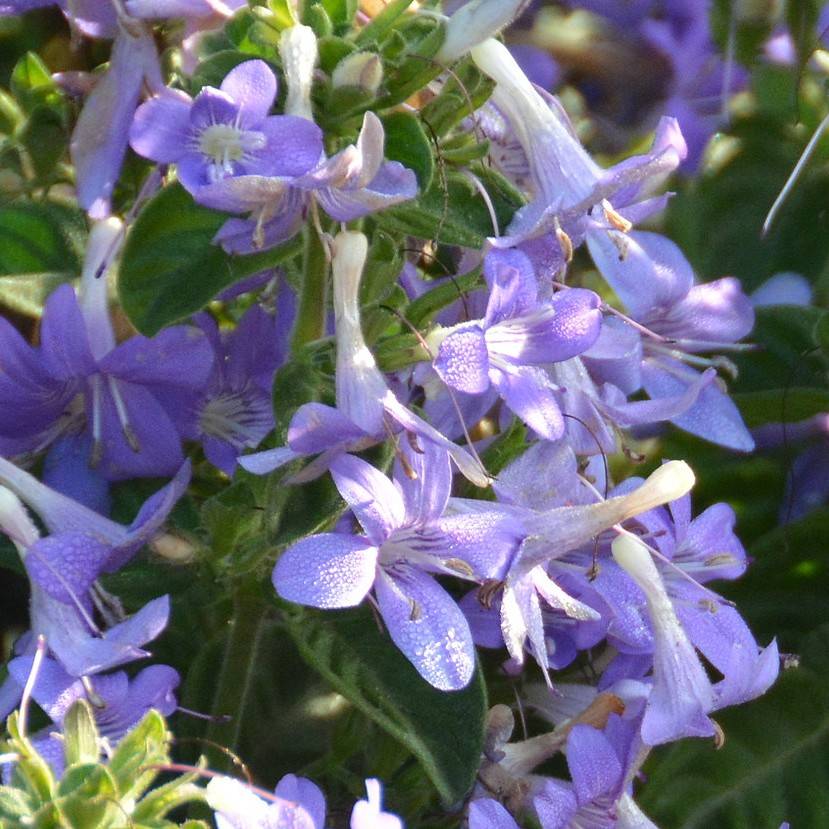
Cymbalaria aequitriloba, more commonly known as Kenilworth Ivy, is an amazing plant species that features beautiful greens, purples, and whites. Its dainty blossoms and trailing foliage mesmerize, cascading over rocks and down garden walls for a truly unique look. Not only is it visually pleasing, but it is also drought tolerant and evergreen. This vibrant ivy also acts as a groundcover or an edging plant, and is best grown in full sun to partial shade settings. All in all, Cymbalaria aequitriloba is definitely an interesting and easy-care ornamental plant that makes any landscape truly stand out!
Care Guide
Watering
For optimal growth and health, Cymbalaria aequitriloba plants require adequate watering. To keep the soil evenly moist, water your Cymbalaria deeply, allowing the soil to become thoroughly saturated. Water your Cymbalaria once a week, though in summer you may need to water it more often. When watering, be sure to saturate the entire root zone and avoid wetting the foliage, as this can lead to disease development. When the soil surface starts to dry, it's time to water again. Never let your Cymbalaria dry out completely between waterings.
Light
For optimal health, Cymbalaria aequitriloba plants should receive about 4 - 6 hours of direct sunlight each day. This intense sunlight should be provided earlier in the day, as afternoon sun can become too hot in some areas. The plant can still tolerate shade, but the less sunlight it gets, the less vigorous it will be.
Temperature
Hardiness zone 6-10.
Pruning
Cymbalaria aequitriloba should be pruned lightly several times throughout the growing season. It's best to prune the plant for the first time in early spring, cutting back any dead growth and any tips that appear overly long. This will also help to promote a bushy, full shape for the plant. Pruning again in mid-summer can help to control the plant's size and encourage bushier growth. If left unpruned, the plant can begin to become leggy. Finally, pruning in late fall is recommended to tidy up the plant's shape and to remove any dead or dying stems.
Propagation
Seed Propagation, Cutting, Division, Layering Propagation
Related plants
Other plants you might like if you grow cymbalaria.