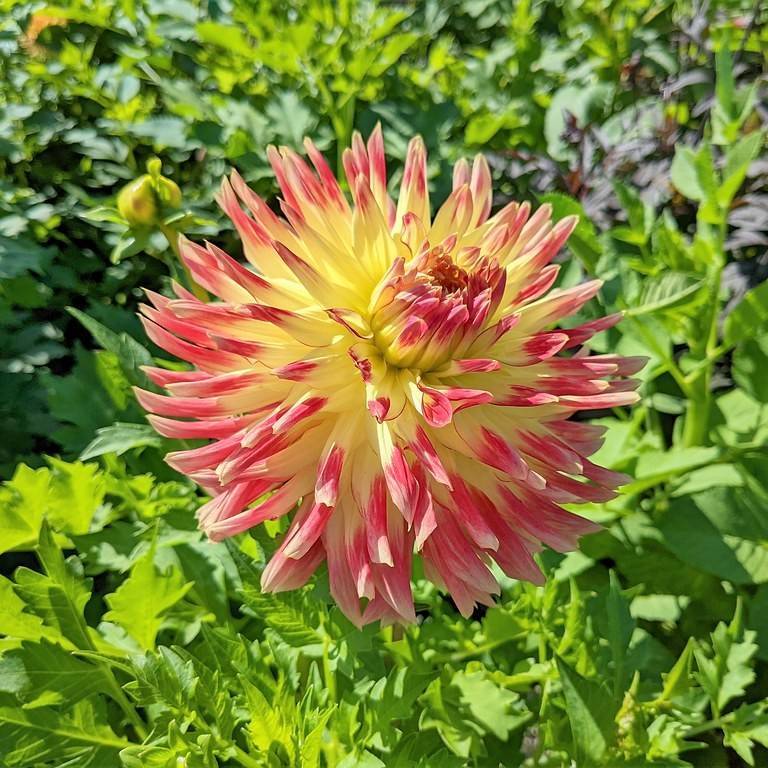
dahlia
Dahlia (group)
Overview
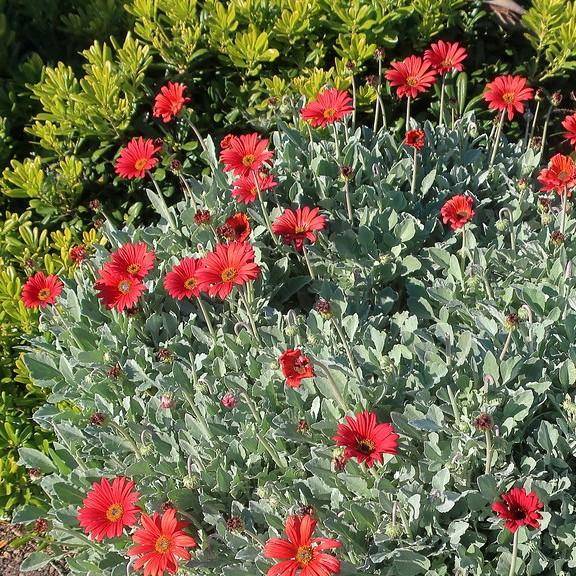
The Dahlia is an amazing flower species! It has a dazzling array of colors that range from white to yellow, lavender, pink, purple, and soft red. Its full, lush blooms come in an array of sizes and shapes including pom-pom, star, and single-petal varieties. Known for their long-lasting vibrant blooms, Dahlias make a beautiful statement in any garden. They thrive in sunny locations and require consistent watering and regular deadheading for continual blooms. Dahlias are the perfect cut flower for a sweet bouquet; brought inside they will continue to delight the senses!
Care Guide
Watering
Dahlias require regular and consistent watering to keep them looking their best. Depending on the climate, you should water your dahlias once or twice a week. In hot summer climates, you will probably need to water more often, as dahlias are very heat sensitive. Generally, water your dahlias early in the morning, as this will give them the longest amount of time to absorb moisture and also help reduce the chances of fungal diseases. When watering, aim for the base of the dahlia plant, since the foliage is better off remaining dry. Soak the soil sufficiently, providing enough water so that the top 6 inches of soil is damp. If the soil still feels dry, give the plant a bit more water.
Light
Dahlias require at least 5 to 6 hours of direct sunlight per day in order to thrive. These plants should be kept in a spot outdoors that receives full sun for most of the day. When possible, dahlias should not be kept in an area with partial shade or too much afternoon sun, as these can negatively affect growth and flowering. In areas with extreme hot and intense sun, these plants can be placed in a spot with some shade. It is important to keep dahlias out of strong winds, as this can cause the plants to become sunburnt or dry out.
Temperature
Hardiness zone 7-10.
Pruning
Dahlia plants should be pruned once a year during the late winter or early spring before the onset of new growth. Pruning should be done to remove any dead, damaged or diseased branches and leaves, as well as to control the overall size and shape of the plant. Start by cutting the stems back to their base using sharp pruning shears. Work from the outside edges of the plant inward. Second, reduce the plant’s overall size and shape by removing any tips, stems and branches that are growing outward instead of upright. The amount pruned will depend on the size of the plant and the desired shape; generally, a reduction of up to 1-third of the height and spread of the plant is recommended. Pruning in this manner will help the plant to produce more flowers on the remaining stems.
Propagation
Division, Grafting Propagation, Layering Propagation, Cutting, Seed Propagation
Uses & Symbolism
Attracts: Butterflies.
Related plants
Other plants you might like if you grow dahlia.