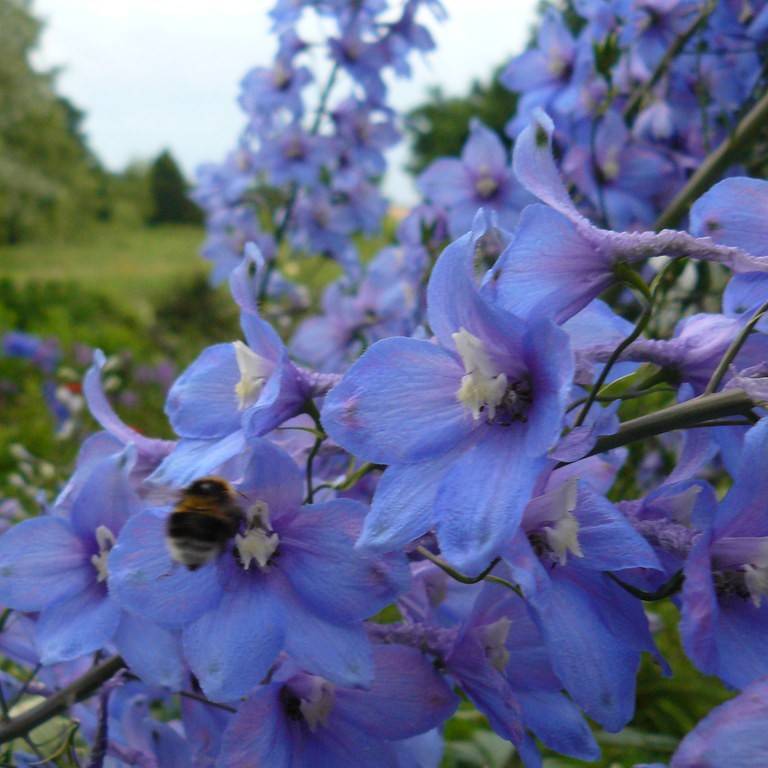
delphinium
Delphinium elatum
Overview
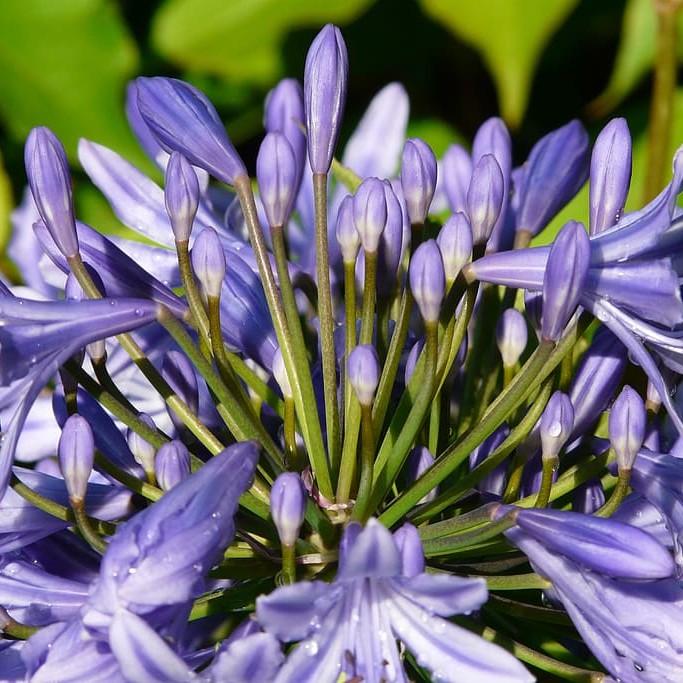
Delphinium (Delphinium elatum) is an amazing flowering plant species due to its spectacular colour and variety. The flowers range from shades of blue, pink and white, some with yellow centres. This plant is composed of mostly tall spikes of blooms, giving a beautiful and dramatic effect when in full bloom. Delphinium can grow up to five feet high, attracting helpful bees and butterflies due to its sweet nectar scent. It prefers sunny, dry climates and once established, does not require much maintenance. Delphinium is an elegant addition to any garden and makes a stunning centerpiece for any summer flower arrangement.
Care Guide
Watering
When it comes to watering delphiniums (Delphinium elatum), it's important to make sure the soil is slightly moist but not soggy. Water the plants deeply when the soil begins to feel dry to the touch. It is typically best to water in the cooler parts of the day, such as early morning or late evening, to reduce evaporation from the sun's heat. During periods of extreme heat, water the plants every other day to ensure they remain hydrated. In winter months, reduce watering as the plants are dormant and don't require as much water.
Light
Delphiniums should be given full sun or partial shade to thrive. Ideally, your delphinium should receive at least 6 hours of direct sunlight each day. If your delphinium is planted in partial shade, it should still receive 4 hours of direct sunlight each day. Morning sun is best for this species of plant, as prolonged direct afternoon sunlight can impact delphiniums negatively.
Soil
Well-drained
Temperature
Hardiness zone 3-7.
Pruning
Delphinium elatum should be pruned once a year in mid to late spring after the last frost. To ensure that the plant has the best chance of flowering in the upcoming season, cut the stems back to 1/4 to 1/2 their original height. Alternatively, the old stems can be completely removed when new growth appears, or removed in the autumn. As the stems are quite brittle and easily snap off at the joint, it is best to use a sharp pair of scissors or pruning shears when pruning. It is also a good idea to wear gloves to protect the hands from its sharp leaves.
Propagation
Division
Uses & Symbolism
Attracts: Hummingbirds, Butterflies.
Diseases & Pests
Common pests: Bacterial leaf spot, Crown rot, Fungal leaf spot, Mildew, Mites, Root rot, Rust, Slugs, snails, Deer resistant .
Related plants
Other plants you might like if you grow delphinium.