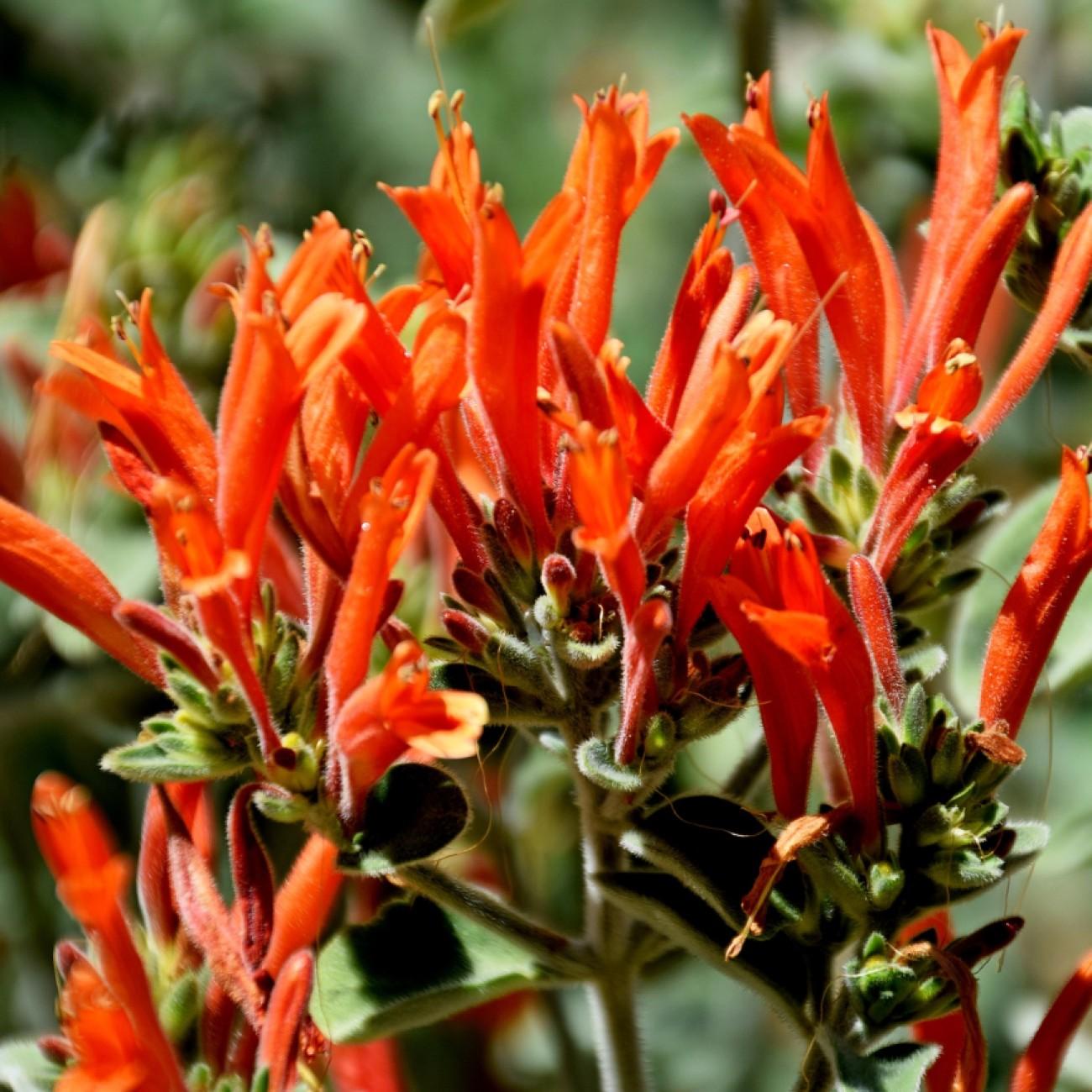
dicliptera
Dicliptera squarrosa
Overview
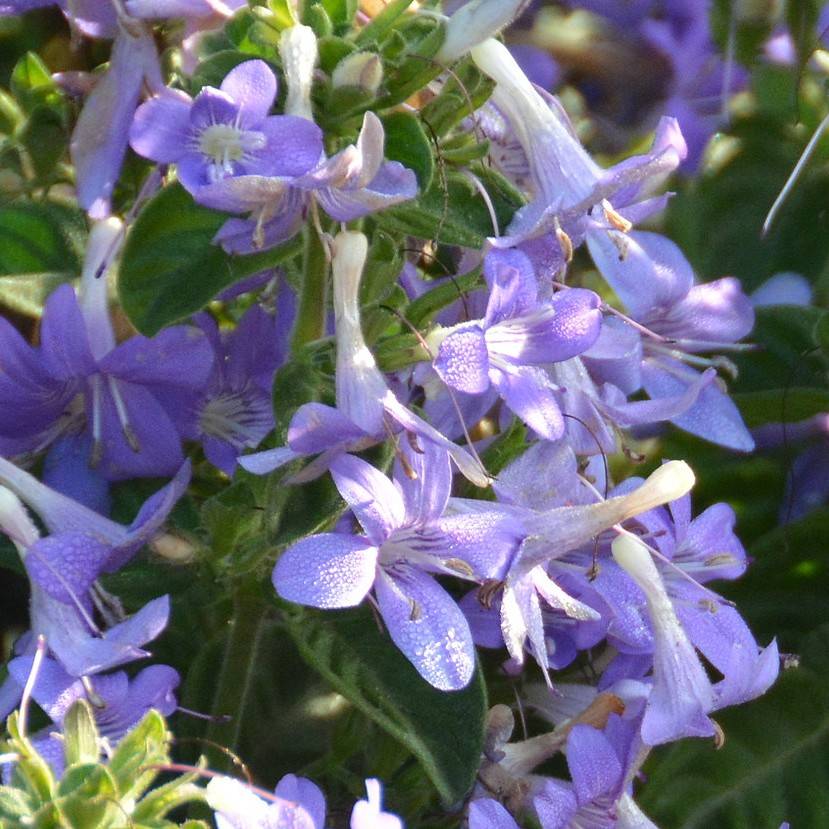
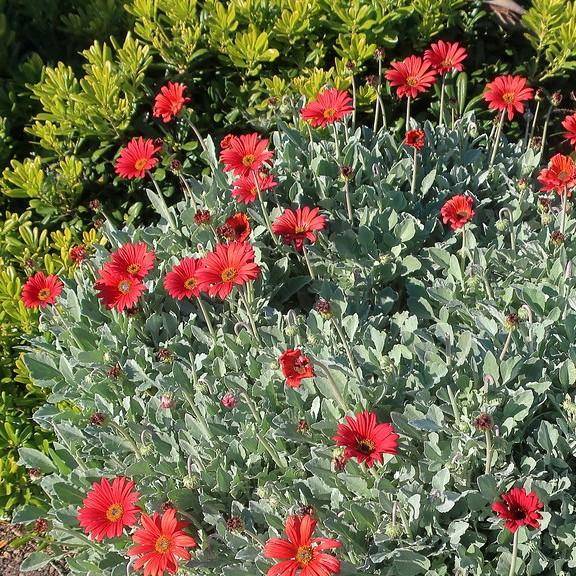
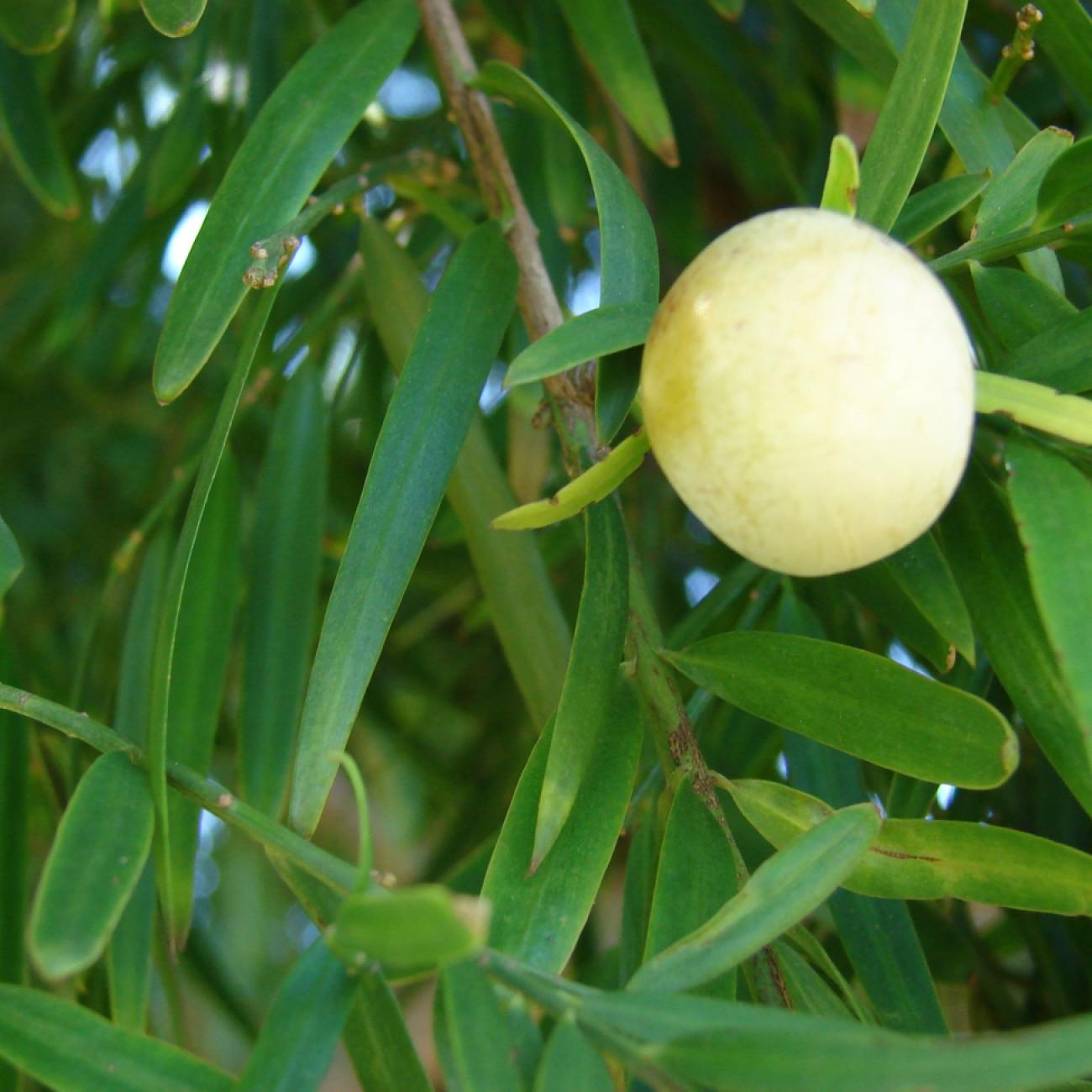
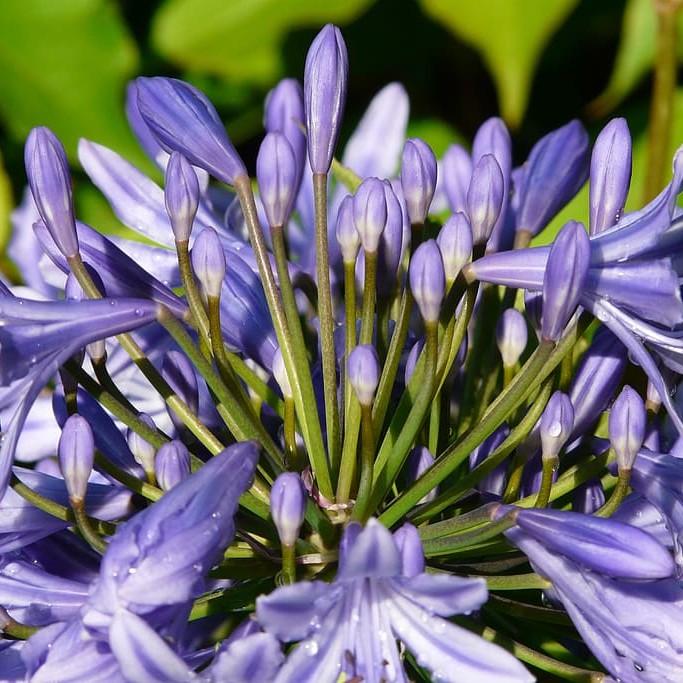
Dicliptera squarrosa, commonly known as Brush Purple, is an amazing species of plant. It is easy to identify, boasting egg-shaped leaves with rippled, jagged edges that are bright green in color. Brush Purple is unique for its small flowers that range in color from purple to white, attracting all sorts of bees and other pollinators. Its flowers are particularly dense and densely packed, which makes it appear much fuller than other plants. Plus, it requires very little maintenance and is drought-tolerant, making it an ideal option for both indoor and outdoor gardening. Brush Purple is an amazing, versatile plant that's sure to add life to any garden.
Care Guide
Watering
Dicliptera squarrosa is a fast growing, evergreen perennial that requires regular watering to perform at its best. Care should be taken to water only when the soil is dry to the touch, approximately once every 5-7 days, as overwatering can cause root rot. In very hot weather, daily watering may be necessary. Ensure that the root zone is thoroughly saturated each time it is watered, as this plant does not respond well to light, sporadic watering. Water in the morning to give the foliage time to dry out before nightfall.
Light
Dicliptera squarrosa are plants typically found in tropical and subtropical regions and they require an abundance of sunlight in order to thrive. The plants prefer full sun, receiving at least 6 to 8 hours of sunlight each day. It is important to ensure that the plants are not exposed to too much direct sunlight in the middle of the day, as this can cause leaf damage or sunburn. Instead, it's best to give them morning sun and dappled sunlight in the afternoon. If possible, it's beneficial to provide some protection from the sun by providing some afternoon shade, either from a tree or an awning.
Temperature
Hardiness zone 8-10.
Pruning
Dicliptera (Dicliptera squarrosa) requires minimal pruning. It should only be pruned to shape the plant or to remove dead or diseased branches. Pruning should be done during the summer months while plants are actively growing. Pruning should be light and branches should not be cut back too far. Since the plant is a tropical species, be sure to avoid pruning in late spring and early fall when temperatures are low and the plant is entering dormancy.
Propagation
Seed Propagation, Cutting, Division
Uses & Symbolism
Attracts: Hummingbirds.
Related plants
Other plants you might like if you grow dicliptera.