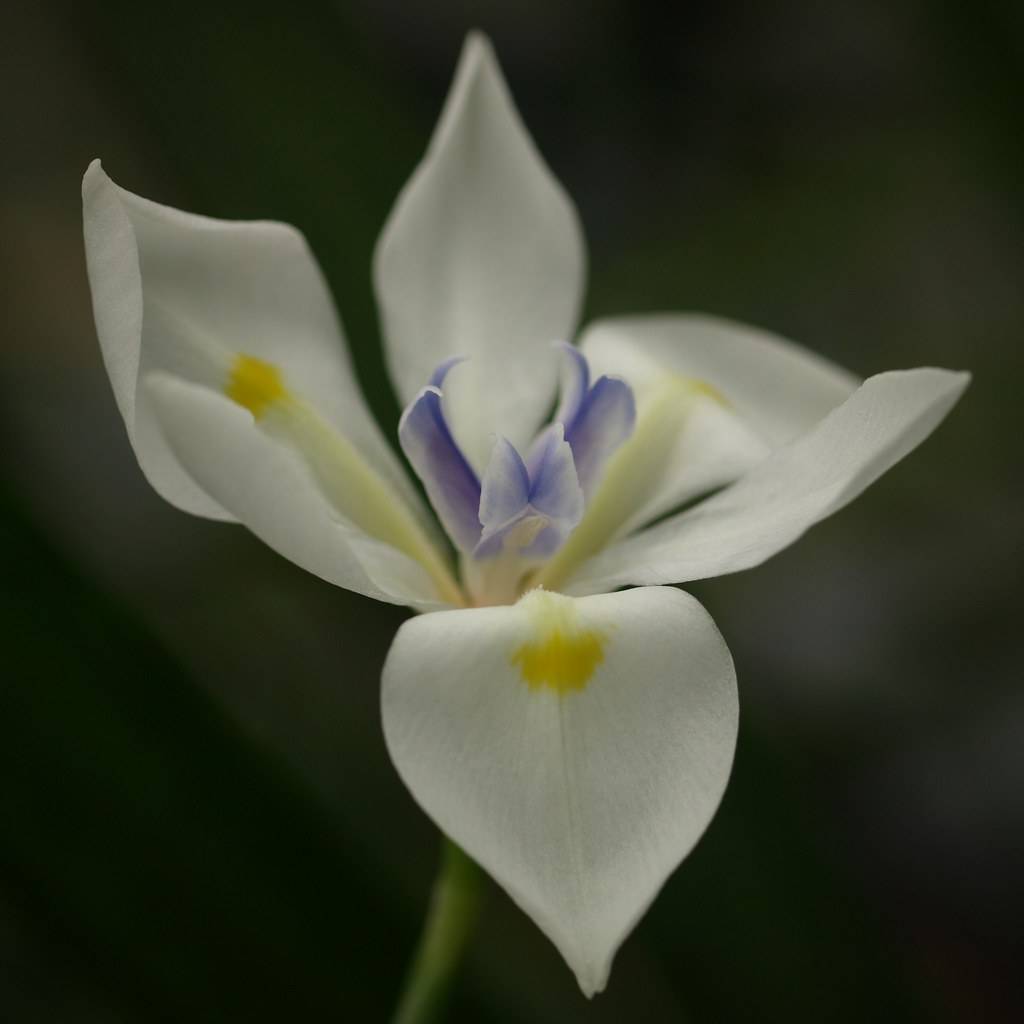
dietes
Dietes iridioides
Overview
Dietes, or Fortnight Lilies, are an amazing species of flowering plants. These evergreen plants bloom profusely throughout the year and feature beautiful white or yellow flowers with attractive purple-like markings. Dietes also come in attractive varieties, with some having spectacular variegated leaves. They are incredibly hardy and can survive in various climates, and they require minimal maintenance. Dietes are fast-growing and can spread quickly, making them suitable for both large and small gardens. They also attract pollinators like butterflies and bees, making them great for anyone looking to attract wildlife to their garden.
Care Guide
Watering
Dietes (Dietes iridioides) is a low maintenance plant that prefersoil that is always kept moist, so it should be watered regularly. Water Dietes plants approximately once a week, making sure that the soil is saturated each time. Allow the soil to dryout slightly before watering again. Water more frequently during the hot summer months, as the soil will dry out more quickly. Reduce watering during the cooler months and ensure that the soil does not remain soggy. Dietes plants should not be allowed to sit in water for long periods. Always check the soil before adding water to make sure it isn't already moist.
Light
Dietes (Dietes iridioides) thrives in full sun and should be planted in an area that receives at least 6-8 hours of direct sunlight a day. This plant does best when planted in areas with a southern or western exposure, as these areas receive the most sun for longer periods throughout the day. The plant should receive bright light during the summer months but filtered light or partial shade during the peak of the summer. In areas that receive consistent full sun year-round, it is important to keep the plant watered regularly. In more northern climates with colder winters, the plant may require more shade during the winter months.
Temperature
Hardiness zone 9-11.
Pruning
Dietes (Dietes iridioides) plants should be pruned regularly to promote a bushy, open growth habit. Pruning is best done in late winter or early spring, after flowering has stopped and before new growth begins. Start by removing any dead or diseased stems and remove crossed branches to ensure good air flow. To control the size of the plant, cut out 1/3 of the oldest canes at the base. This will help encourage branching and generate new growth. In addition, cut back any overlong shoots to a side bud and cut individual stems if they have grown outsized. Finally, remove any flower stems that have finished blooming to promote more blooms. Follow this regime each year to keep your plant looking neat and healthy.
Propagation
Division, Cutting, Seed Propagation, Layering Propagation
Related plants
Other plants you might like if you grow dietes.