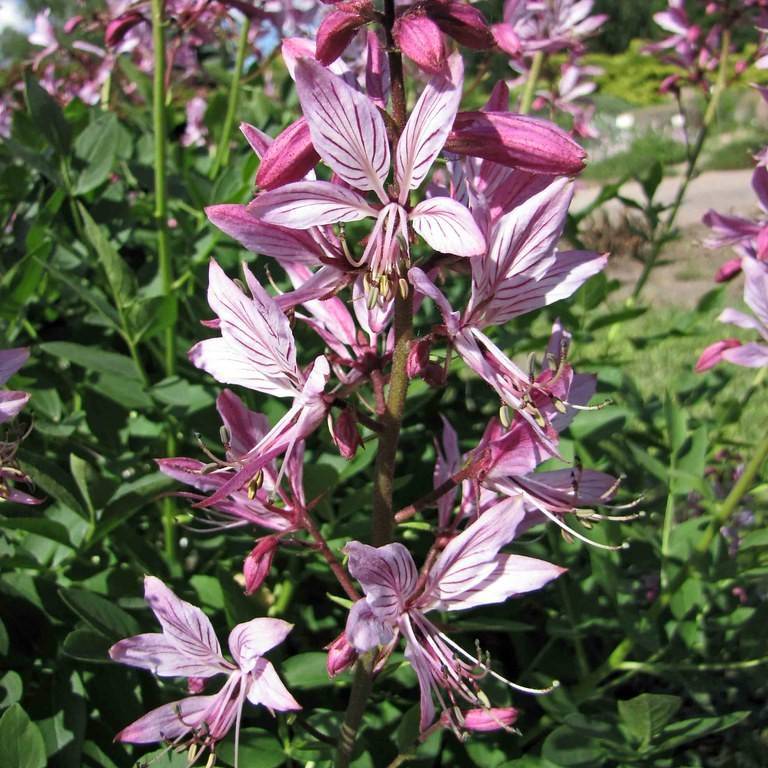
dittany
Dictamnus albus
Overview
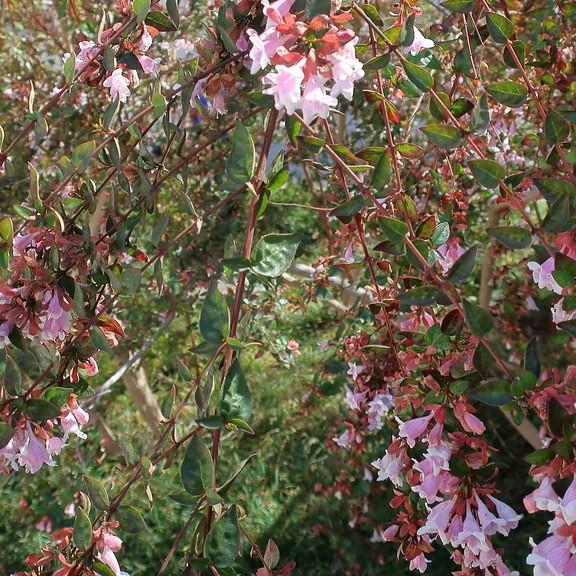
Dittany (Dictamnus albus) is an amazing plant species that has been used in folk medicine for hundreds of years. It has a fabulous show of white or pink flowers with an intense fragrance that lasts for many days. The leaves of the plant are covered with a sticky substance that gives off a spicy aroma. Dittany has a number of beneficial properties, including antimicrobial, antioxidant, and anti-inflammatory activities. It can also help relieve stress and improve digestion. Ultimately, dittany is truly a unique and amazing plant that is well worth discovering!
Care Guide
Watering
Dittany should be watered regularly throughout the growing season, but it is important not to over-water. The best practice is to water deeply once or twice a week, depending on the soil type. For very sandy soils it may be necessary to water more frequently. In general, the soil should feel moist but not soaked. During the hottest part of summer, it may be necessary to water more often to ensure the soil does not dry out. In colder months, water less often but still ensure the soil is not completely dry. During the winter months, water just enough to keep the soil from drying out.
Light
Dittany (Dictamnus albus) grows best in full sun or partial shade. It needs at least 6-8 hours of direct sunlight each day. It prefers morning sunlight, so it is best to plant them in an area that receives sunlight in the early morning and shade in the afternoon. The plant does like warmer temperatures during the summer months, so it is important to make sure it does not receive too much direct sunlight in the afternoon when temperatures are likely to be the highest.
Temperature
Hardiness zone 3-8.
Pruning
Pruning dittany (Dictamnus albus) shrubs should be carried out each year in late winter or early spring before the start of new growth. To keep the plant in an attractive shape and prevent it from overgrowing, you should aim to remove around 1/3 of the total stems and branches by cutting them back to just above a strong bud. This will encourage the plant to bush-out and become fuller. It's important to use sharp, clean shears when pruning dittany as this reduces the chance of infection. It's also best to avoid pruning in wet weather.
Propagation
Seed Propagation, Division, Cutting
Uses & Symbolism
Attracts: Butterflies.
Related plants
Other plants you might like if you grow dittany.