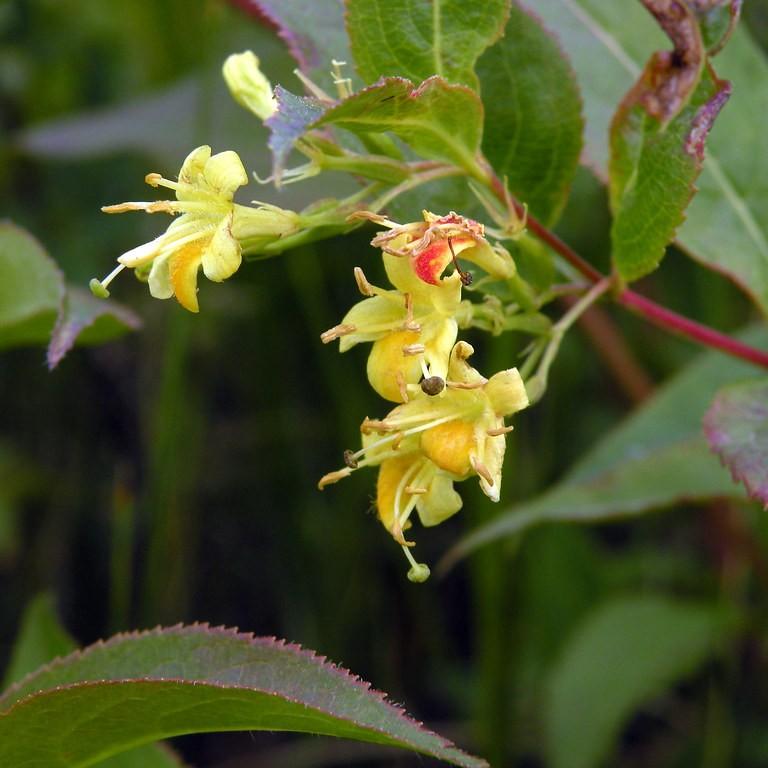
dwarf bush-honeysuckle
Diervilla 'Copper'
Overview
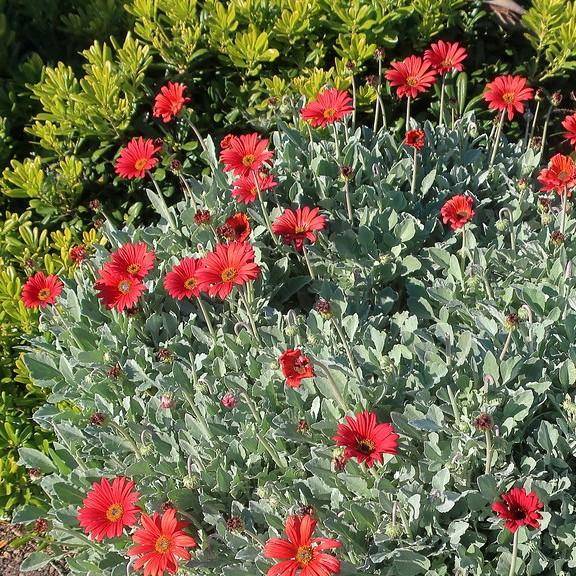
Dwarf bush-honeysuckle (Diervilla 'Copper') is an amazing plant species. It is a deciduous shrub growing to approximately three feet tall and wide, making it a suitable size for any garden. In the spring and summer, it produces bright yellow-orange flowers that attract butterflies and hummingbirds. It is very low maintenance and drought tolerant - it is content in most soil types and can tolerate full sun to part shade. It also has tremendous disease and pest resistance. Not to mention the vibrant copper-orange foliage in fall. It is an easy-to-care-for and beautiful addition to any garden.
Care Guide
Watering
The dwarf bush-honeysuckle (Diervilla 'Copper') is a resilient plant, so you will only need to water it when the soil starts to dry out. The best way to tell if your Diervilla 'Copper' is in need of water is to stick your finger into the soil and if it feels dry up to the first knuckle, then it’s time to water. When watering, be sure to water it deeply and evenly. This will help the roots establish and remain healthy. Aim to give your Diervilla 'Copper' enough water so that it can absorb water to a depth of at least 8 inches. You should also make sure the soil doesn't become overly saturated as excess water can cause the roots to rot. Depending on the weather, you should check your bush-honeysuckle's soil every 3 if 4 days and water as necessary.
Light
The Dwarf Bush-Honeysuckle (Diervilla 'Copper') should be exposed to at least 6 to 8 hours of full sunlight each day. This type of shrub is best suited for in direct sunlight most of the day and in cooler months, morning sunlight is ideal. During the summer, it is important to provide the shrub with afternoon shade to protect it from high temperatures. With ample sunlight each day, this shrub will have the fullest growth and healthiest foliage.
Temperature
Hardiness zone 4-8.
Pruning
Dwarf Bush-Honeysuckle (Diervilla 'Copper') should be pruned once a year in early spring. Pruning should involve removing dead and damaged branches, shaping the shrub, and removing any overcrowded and spindly shoots. Generally, up to 30 percent of the oldest and tallest stems should be removed to encourage a fuller and denser plant. It is not necessary to prune the shrub if the desired shape and size is achieved without it.
Propagation
Cutting, Layering Propagation, Division, Seed Propagation
Uses & Symbolism
Attracts: Butterflies.
Related plants
Other plants you might like if you grow dwarf bush-honeysuckle.