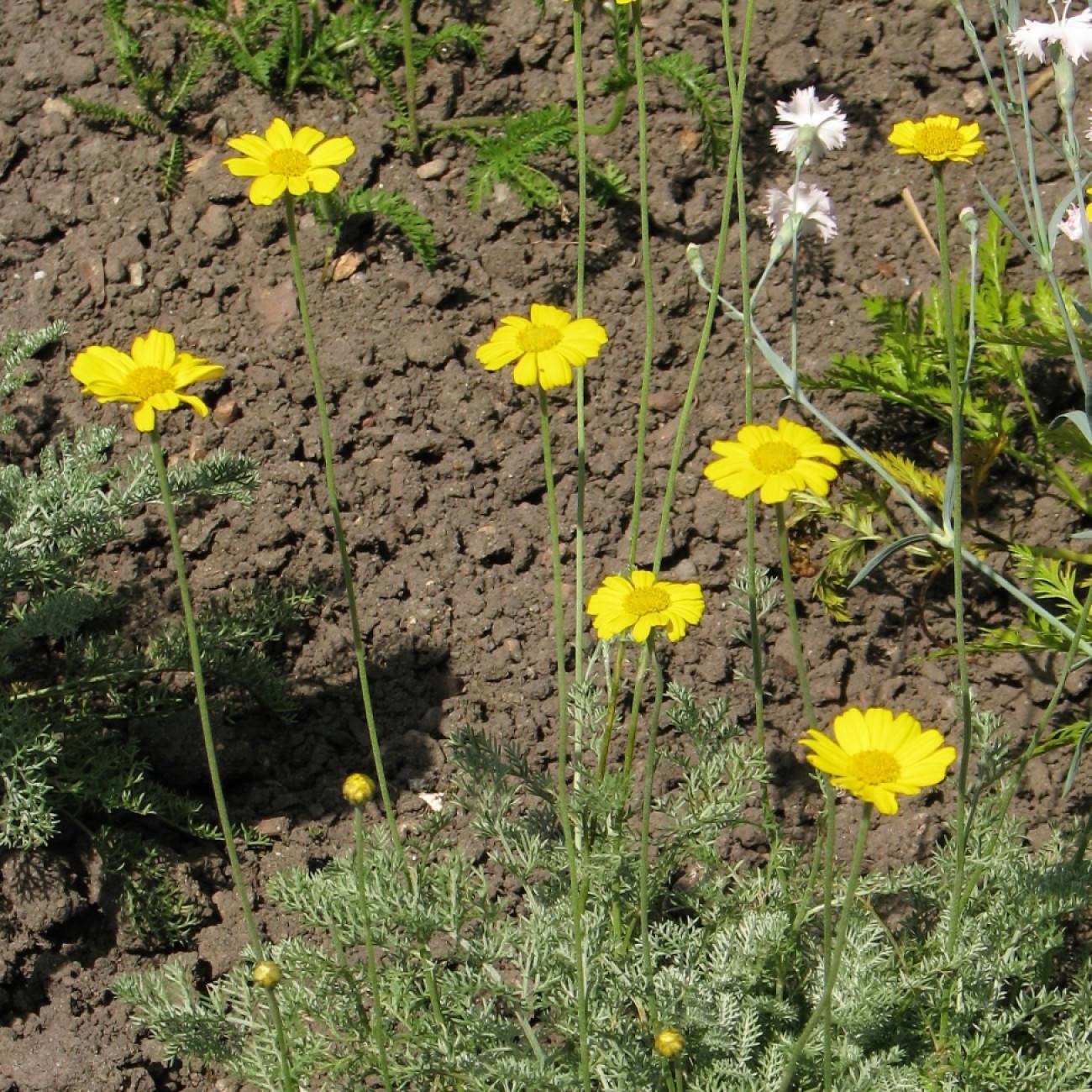
Dyer's chamomile
Anthemis tinctoria 'Kelwayi'
Overview
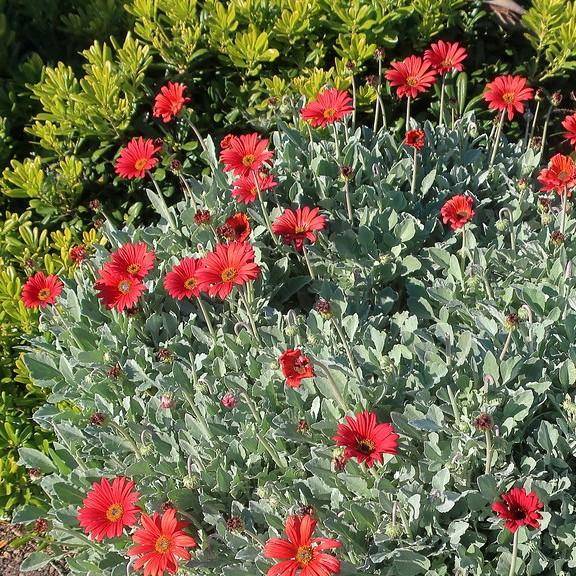
Dyer's chamomile (Anthemis tinctoria 'Kelwayi') is a unique and amazing plant. It has attractive small, daisy-like bright yellow flowers that provides a cheerful display in the garden. These flowers give out a sweet scent when they bloom in the summer. This species is a particularly hardy and vigorous variety of chamomile which makes it ideal for decorating gardens and flower beds. In addition, the plant is drought tolerant and adaptable to different soil conditions. Above all, the flowers can be harvested for a variety of uses, from adding vibrant color to dyeing fabrics. This makes Dyer's chamomile a great choice for ornamental gardens and dyeing projects.
Care Guide
Watering
Dyer's chamomiles should be watered when the top 1 or 2 inches of soil are dry. In areas of regular rainfall, it may only need to be watered once a week or so. When watering, it is important to give it a good, deep soaking. too much light and inconsistent watering can cause the plants to become spindly and weak. In drier climates, they may need to be watered more frequently. They are quite drought tolerant, however, and too much water can cause root rot.
Light
Dyer's Chamomile (Anthemis tinctoria 'Kelwayi') requires full sun for optimal growth. It should be placed in a sunny location that receives at least 6 hours of direct sunlight a day. The best time of day for sunlight is from late morning to late afternoon, when the sun is at its highest and brightest. If your location does not receive enough sunlight for the plant, you may need to supplement with grow lights.
Temperature
Hardiness zone 3-7.
Pruning
Dyer's chamomile (Anthemis tinctoria 'Kelwayi') should be pruned in late winter or early spring before new growth emerges. It is a low-maintenance plant that only requires light pruning each year. Prune off any dead or brown stems, and trim particularly long or bushy stems to maintain an even shape. A gentle pruning is all that is required; however, if the plant has become overgrown, more drastic pruning may be needed. Avoid pruning too much, as this can limit the flowering potential. With proper pruning, Dyer's chamomile can remain as a low-growing, mounding, perennial clump for many years.
Propagation
Division, Root Cutting, Seed Propagation, Layering Propagation
Related plants
Other plants you might like if you grow Dyer's chamomile.