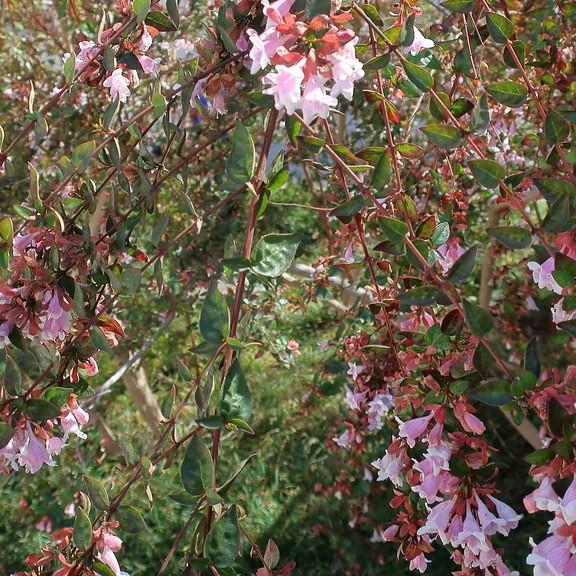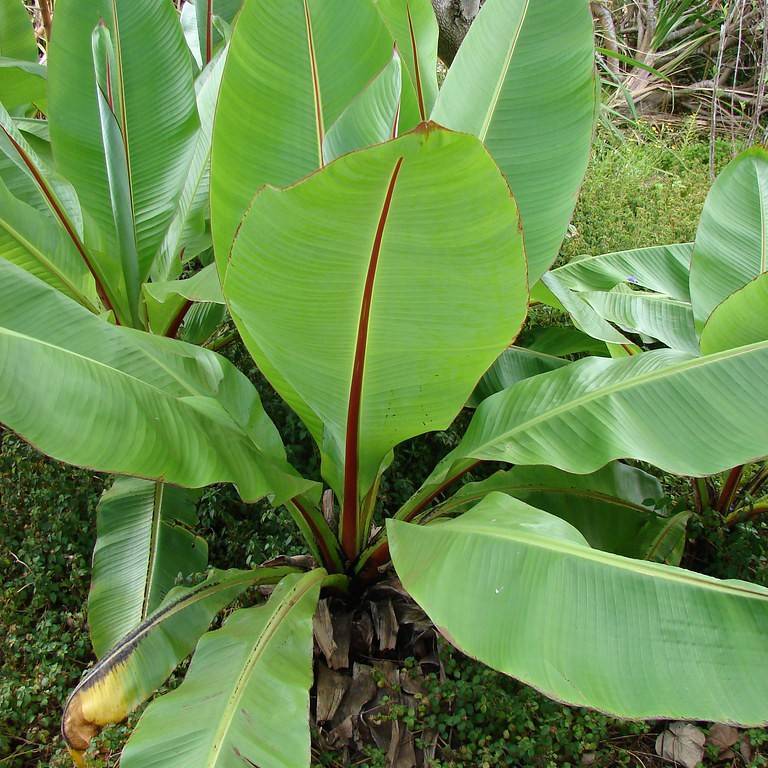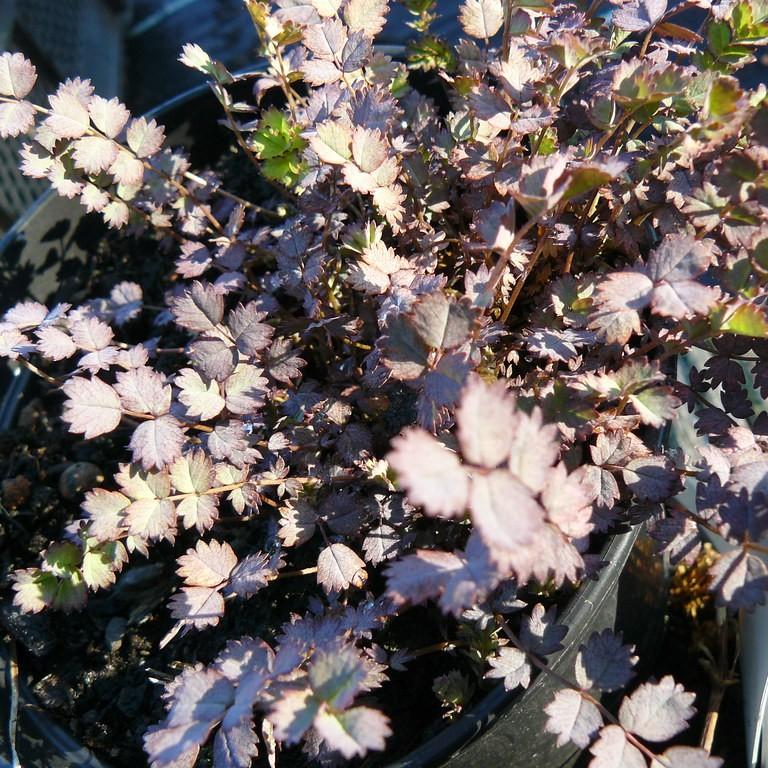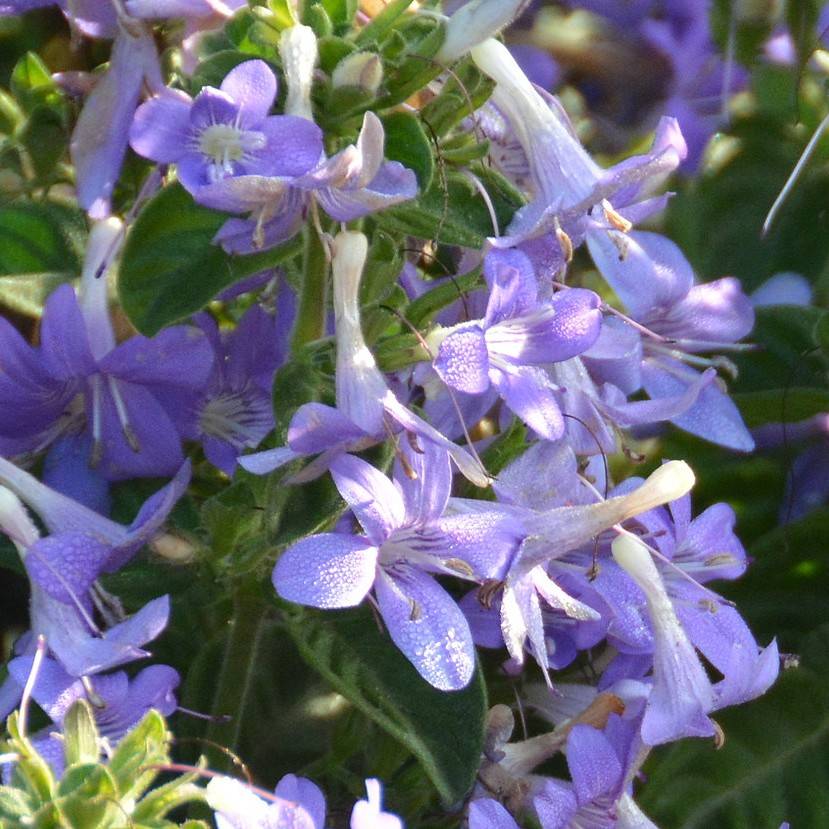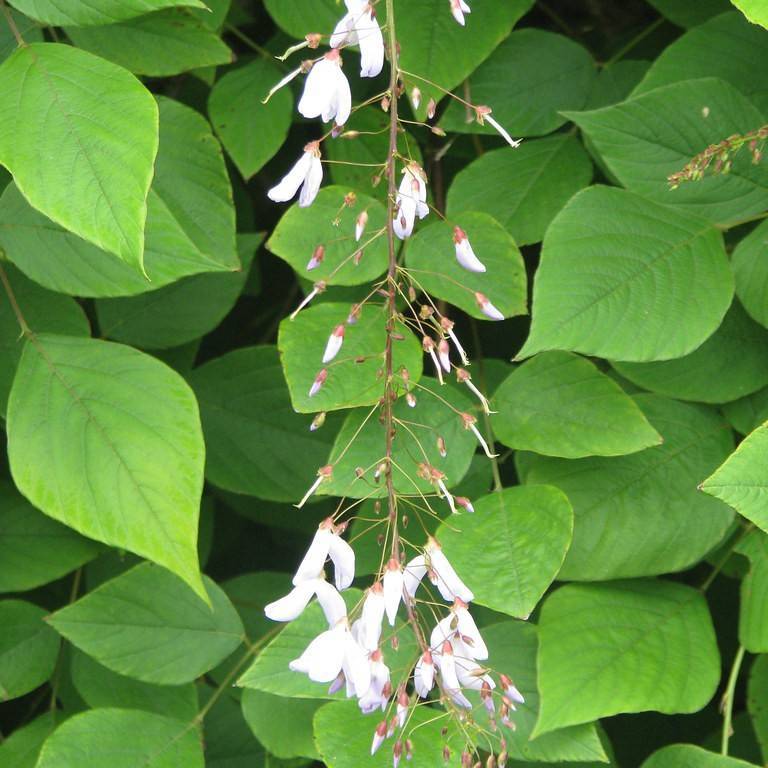
elegant tick clover
Desmodium elegans
Overview
Elegant tick clover (Desmodium elegans) is an amazing plant species that provides a variety of benefits. It is an annual herb with a preference for hot climates and is a legume that has high forage and soil fertility-enhancing properties. Its foliage is showy and elegant, hence its name, with delicate tall leaflets that are tri-foliate. As it's a legume, it is an ideal choice for gardens, pasture, and wildlife gardens as it fixes nitrogen in the soil, helping other plants in the area thrive and flourish. It serves as a great source of nutrition for livestock, and its deep roots make it more resistant to drought than most other grasses and legumes. Overall, elegant tick clover is an impressive choice of species for any garden or wildlife habitat.
Care Guide
Watering
The elegant tick clover (Desmodium elegans) prefers consistently moist soil and should be watered once or twice daily. Depending on the pot size, however, and the time of year, the frequency of watering should be adjusted. During warmer and sunnier months, the soil should be watered about twice a day as the plant requires more water during these times. Throughout the cooler months, once a day should suffice. It's important to remember to check the soil regularly to make sure it has not dried out. The elegant tick clover also prefers well-draining and airy soil.
Light
Elegant tick clover requires a minimum of 8-10 hours of direct sunlight daily for optimal growth. Ideally, the sunshine should be spread evenly throughout the day. However, many plants will survive and grow even in partial shade or with less sunlight. When conditions are too shady, these plants are likely to become spindly and become more susceptible to disease and pest issues. Elegant Tick Clover should be placed in a sunny spot or area with lots of natural light.
Temperature
Hardiness zone 9-11.
Pruning
Elegant tick clover (Desmodium elegans) should be pruned regularly throughout the growing season to promote healthy growth and keep the plant compact. Pruning in midsummer helps to remove any withered or dead leaves and stems, and to encourage a bushier, denser growth form. Blooms can be cut off to stimulate more frequent flowering. Prune back the plant just after blooming to help keep the foliage dense. In late fall or early winter, prune the tops of the stems back to about 6 to 8 inches, to promote healthy, new growth in the spring.
Propagation
Seed Propagation, Cutting, Division, Layering Propagation, Grafting Propagation
Related plants
Other plants you might like if you grow elegant tick clover.